


 Latest
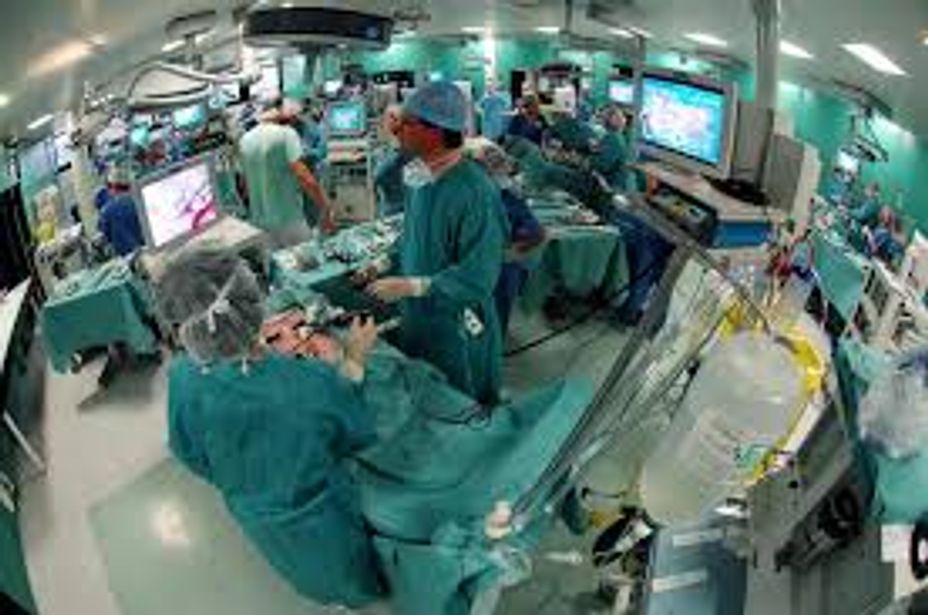
What Patients Need to Know About Surgical Safety Standards
Surgical safety standards are strict guidelines followed by hospitals and surgical teams to protect patients before, during, and after surgery. These standards include confirming the patient’s identity, marking the correct surgical site, using sterilized instruments, and maintaining a clean operating room to reduce the risk of infection or medical errors.
Before surgery, healthcare teams use safety checklists to ensure that everyone involved understands the procedure, anesthesia plan, and patient history. During surgery, proper instrument handling, sterile techniques, and continuous monitoring are essential for preventing complications. After surgery, careful wound care, infection prevention, and clear recovery instructions help support safe healing.
Patients can support surgical safety by sharing complete medical information, following pre-surgery instructions, and asking questions if anything is unclear. When surgical safety standards are properly followed, research shows better outcomes, fewer complications, and faster recovery times.
#SurgicalSafety #patientsafety #safesurgery #HealthcareAwareness #MedicalCare #SurgeryPreparation #OperatingRoom #InfectionPrevention #hospitalsafety #healtheducation
 1 reaction


