


 Latest
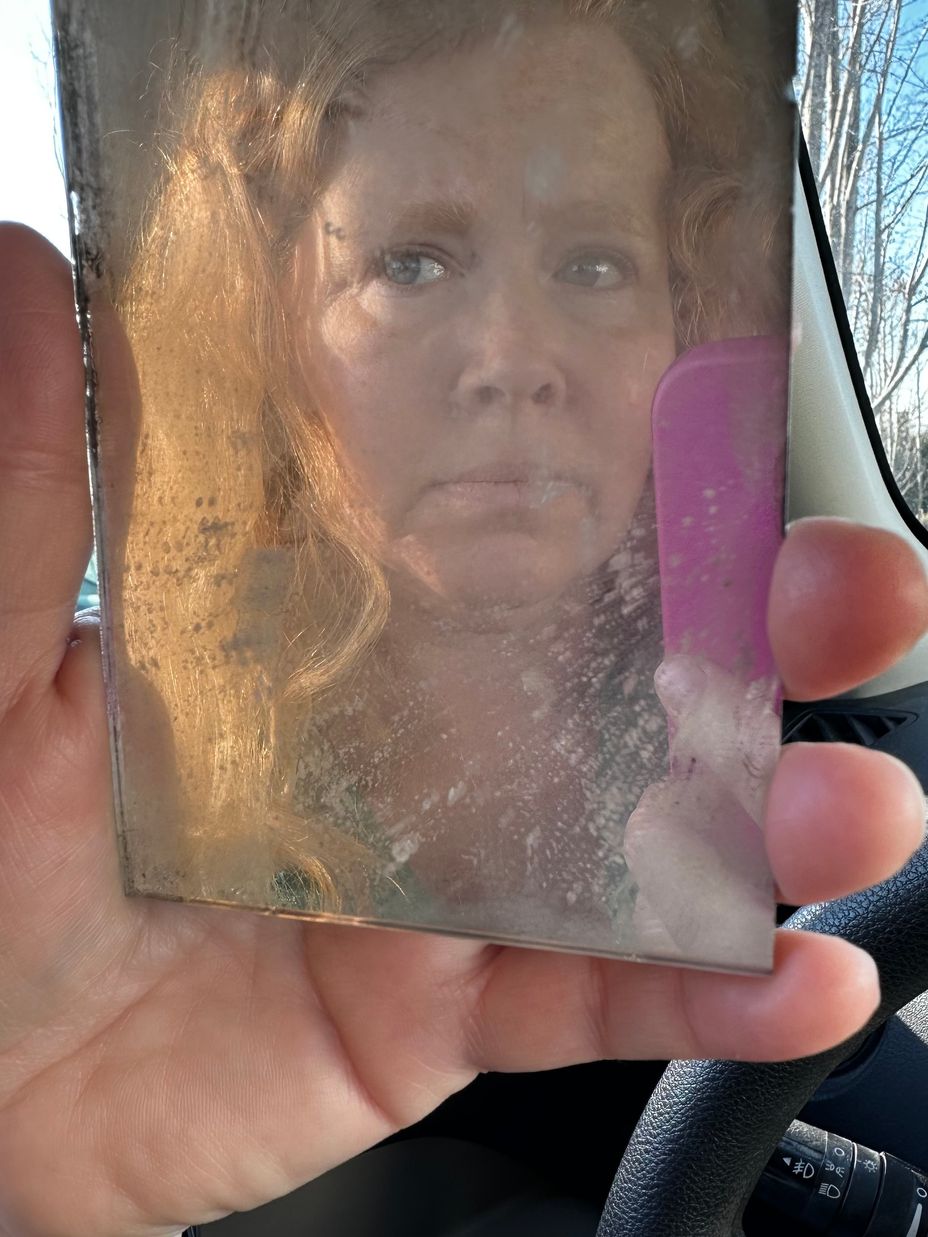
No One Mentioned Cortisol
An Essay for Every Caregiver Who Was Told to Take Better Care of Themselves
By Sheila Lee
They told me I needed to make time for myself.
“You need to take better care of yourself, Mom.” “You need to lose weight, Mom.” “You need to practice self-care, Mom.”
They said it with concern in their voices, sometimes with charts and pamphlets. They said it in exam rooms where I had brought myself, finally, after years of bringing someone else. They meant well, most of them.
But not one of them mentioned cortisol.
Not one of them asked what my nights looked like, or how many years I had slept in fragments, an hour here, two or three there, one ear always open. Not one of them sat with me in the reality of what chronic high-alert vigilance does to a human body over months, over years, over decades.
They saw the weight. They saw the blood pressure numbers. They saw the labs.
They did not see what made them.
What Living in Survival Mode Actually Does
Cortisol is the body’s primary stress hormone. In short bursts, it is lifesaving — it sharpens focus, mobilizes energy, prepares you to respond to threat.
But caregivers of medically complex children don’t experience stress in short bursts.
We live in it. Continuously. For years.
When cortisol stays chronically elevated, the body changes — not because of poor choices, not because of weakness or lack of willpower — but because biology responds to its environment. Chronically elevated cortisol drives insulin resistance, disrupts hunger hormones like leptin and ghrelin, promotes fat storage particularly around the abdomen, raises blood pressure, degrades sleep quality, and accelerates cellular aging. The Cleveland Clinic, Mayo Clinic, and decades of NIH research confirm this. It is not opinion. It is physiology.
Fractured sleep compounds everything. Four to five hours of broken sleep — not occasionally, but as a baseline, for years — impairs glucose regulation, raises inflammatory markers, and pushes the body toward the same metabolic profile as someone who has never slept enough in their life. Because for caregivers, that is exactly what has happened.
No one told us this was coming. No one tested our cortisol. No one connected what was happening in our bodies to what was happening in our lives.
They just told us to try harder.
Everyone Responds Differently — And All of It Makes Sense
Some of us eat too much. The body craves caloric density under stress — it is an ancient survival mechanism, not a character flaw.
Some of us stop eating altogether, too exhausted or too anxious to feel hunger, running on adrenaline until the body sounds an alarm we can no longer ignore.
Some of us reach for things that take the edge off — a glass of wine, a cigarette, something that buys us enough calm to face the next hour, or the next day, or the next crisis that arrives without warning at 2am.
These are not failures. These are people surviving in a space beyond what most humans are ever asked to endure — making the choices available to them in moments of pure desperation, when the margin between coping and collapse is razor-thin.
The system that depends on us — the one that saves billions of dollars because we are there, providing skilled, round-the-clock care that would otherwise require institutional placement — does not have a diagnosis for what it costs us.
ICD-11 classifies occupational burnout as a “phenomenon,” not a condition. DSM-5 has nothing specific for caregiver burnout syndrome. When we finally arrive in a doctor’s office, our symptoms get filed under anxiety, depression, or adjustment disorder.
Which can feel less like understanding and more like blame.
What It Looks Like from Inside
I have been doing this for more than twenty years.
I have managed central lines and TPN and biologics and bowel crises that didn’t look like bowel crises because my son’s body doesn’t mount a normal inflammatory response. I have learned to read him the way you read weather — subtle shifts, atmospheric pressure changes, something in the quality of his stillness — because the labs will be normal and the vitals will be normal and he will be smiling, and he will still be in crisis.
I have driven to hospitals with the check engine light on because there was no one else to drive.
I have sat in parking garages at 2am and let myself fall apart for five minutes before going back in.
I have had my blood pressure spike to dangerous levels at the exact moment the system told me there was no program designed to meet our needs, and that change would only come if I could somehow drive policy reform myself.
My doctor told me: This is your warning. Next time it will likely be something more serious.
I heard her.
I also went home and kept going, because there was no one else.
What We Actually Need
We don’t need to be told to practice self-care.
We know what self-care is. We know what rest looks like. We dream about it.
What we need is relief. Real, consistent, reliable relief — respite that actually shows up, support systems that don’t collapse under the weight of bureaucratic delays, a medical system that looks at a caregiver’s body and asks what has this person been carrying? before reaching for the prescription pad.
We need providers who understand that the weight, the blood pressure, the blood sugar, the exhaustion — these are not evidence of personal failure. They are evidence of a physiological response to impossible, sustained demands. They are the body’s honest accounting of what caregiving without adequate support actually costs.
We need a diagnostic code that says: this is real, this has a name, this deserves treatment and not judgment.
Because right now, the system sees our bodies and blames us for them.
And we are tired — bone-tired, to the core of our being tired — of being blamed for surviving something no one else was willing to carry.
To the Caregiver Reading This at 2am
You are not lazy. You are not incompetent. You are not weak.
You are someone who has been running on cortisol and fractured sleep and sheer love for longer than your body was designed to sustain — without adequate support, without a diagnosis that names what’s happening to you, without a system that understands that caregiver health is patient health.
What is happening to your body is not happening because you aren’t enough.
It is happening because you have been more than enough, for too long, with too little.
You are not alone in this.
And it’s time the system stopped pretending otherwise.
Sheila Lee is a parent, caregiver, and advocate from Boise, Idaho. She has provided skilled, life-sustaining consumer-directed care for her son Samuel, 21, who lives with KMT5B related neurodevelopmental disorder and complex multi system disease. #Caregiver #Caregiverburnout #RareDisease #Caregiving #Caregiverstress #notjustamom #rarediseasecaregiver
 1 reaction •
2 comments
1 reaction •
2 comments


