


 Latest


Hold on tight #MentalHealth #Depression #Anxiety #Faith #Christianity #FamilyAndFriends #Relationships
Hope this encourages you today.
 36 reactions •
15 comments
36 reactions •
15 comments


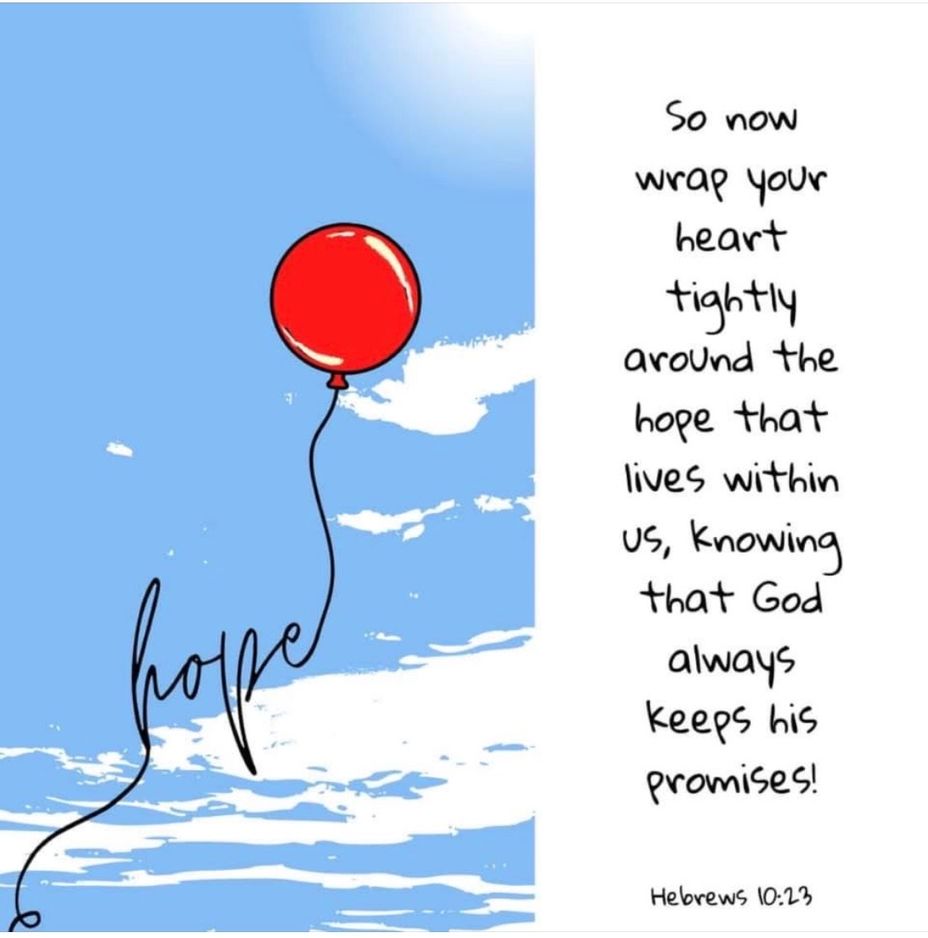
Hope this encourages you today.
36 reactions •
15 comments
Hi I just prayed to a lady I met online , I am not sure what lead me to it aside from sadness that she has made a life while we chatted and no longer needs me to chat which all it was but it was every night for 2 years before it slowed down then a few times a week for 3 more years I thought we were going to met an have a child because she asked if I was interested and I was , but two weeks ago I found out she had a child while we were chatting around the two year mark when the chatting slowed down . I today told her I was going to start talking to other people because she seems to busy and don’t seem into me and like an hour later she posted a video having sex asking how’s the camera angle look on this . Well I told her it looked really good to be with her . And now I’m hurt that the video was a response to my remark of going to start talking to others . I also got to mention that when she asked if I wanted a child o got happy and told her about the trauma in my child hood and it reminded me of things that caused what I think was hyper sexuality and I started to talk about sex and that’s when things went wrong with our chat I just didn’t know she went to do it instead of talk to me about it . I’m so hurt that I did that and idk what to do now . And so a while ago I texted her a prayer 🙏 me praying to her explaining and asking for forgiveness for asking about sex when we chatted because I feel it’s why she went to go do that . I M not sure if all this makes sense but I’m Sorry I regret ruining what she was after with me . I’m emotionally hurt at the moment and idk how to deal with it much less what to do ? Some came here to nark on my stupidity that made me remember because I was happy and comfortable telling her about it so we could know each other it royally failed an I lost her . Am I apologize about the bad punctuation I’m currently studying for a ged and well I’m learning that
Can you help ? Do you know any thoughts words that might help me understand so I can let it go ? I already lost her I just don’t want to stay feeling like I’m missing the love & Heart she made me feel . This is hurtful for me . And I forgot to mention that when I think of sex it catches my attention so I forget about the stuff that hurts me and I think it’s why I did that because I told her everything pretty much and I remembered it all talking about it so I think the hyper sexless me hiding an trying to forget all that stuff I talked about that stayed fresh in my mind after that it ruined me. God I’m so sorry I feel Regret that I told her . #Trauma #PTSD #Depression #PTSD #Sadness #Prayer #disappointment #ADHD #Advice #relationship
2 reactions Hi I just prayed to a lady I met online , I am not sure what lead me to it aside from sadness that she has made a life while we chatted and no longer needs me to chat which all it was but it was every night for 2 years before it slowed down then a few times a week for 3 more years I thought we were going to met an have a child because she asked if I was interested and I was , but two weeks ago I found out she had a child while we were chatting around the two year mark when the chatting slowed down . I today told her I was going to start talking to other people because she seems to busy and don’t seem into me and like an hour later she posted a video having sex asking how’s the camera angle look on this . Well I told her it looked really good to be with her . And now I’m hurt that the video was a response to my remark of going to start talking to others . I also got to mention that when she asked if I wanted a child o got happy and told her about the trauma in my child hood and it reminded me of things that caused what I think was hyper sexuality and I started to talk about sex and that’s when things went wrong with our chat I just didn’t know she went to do it instead of talk to me about it . I’m so hurt that I did that and idk what to do now . And so a while ago I texted her a prayer 🙏 me praying to her explaining and asking for forgiveness for asking about sex when we chatted because I feel it’s why she went to go do that . I M not sure if all this makes sense but I’m Sorry I regret ruining what she was after with me . I’m emotionally hurt at the moment and idk how to deal with it much less what to do ? Some came here to nark on my stupidity that made me remember because I was happy and comfortable telling her about it so we could know each other it royally failed an I lost her . Am I apologize about the bad punctuation I’m currently studying for a ged and well I’m learning that
Can you help ? Do you know any thoughts words that might help me understand so I can let it go ? I already lost her I just don’t want to stay feeling like I’m missing the love & Heart she made me feel . This is hurtful for me . And I forgot to mention that when I think of sex it catches my attention so I forget about the stuff that hurts me and I think it’s why I did that because I told her everything pretty much and I remembered it all talking about it so I think the hyper sexless me hiding an trying to forget all that stuff I talked about that stayed fresh in my mind after that it ruined me. God I’m so sorry I feel Regret that I told her . #Trauma #PTSD #Depression #PTSD #Sadness #Prayer #disappointment #ADHD #Advice #relationship
2 reactions This is my first post, so I’m not sure if this is the right place to post this, but figured I would give it a shot. I’m a 43yr old man from TX, married 11 years and have been diagnosed with ADHD, depression and anxiety for the majority of my adult life. I’m in weekly therapy and on various medications for the above mentioned issues. My wife and I have been struggling on and off throughout our relationship with various issues and recently I have been told that I have been psychologically abusing her. Specifically during our fights I fall into the habit of defensiveness and gaslighting her. Being labeled an abuser is a tough pill to swallow and in no way shape or form is my intention to do this. My gaslighting results in an extremely volatile response from her and it is getting harder and harder to come back from these giant blow ups. Being labeled an abused also plays into the shame issues that I have which I know can be exacerbated by ADHD. I guess I am just looking for support, perspective, advice etc. it’s a weird feeling and is something that I will be addressing with my therapist in depth, but really just looking for thoughts or tools and techniques to address this. #Abuse #MentalHealth
 13 reactions •
5 comments
13 reactions •
5 comments
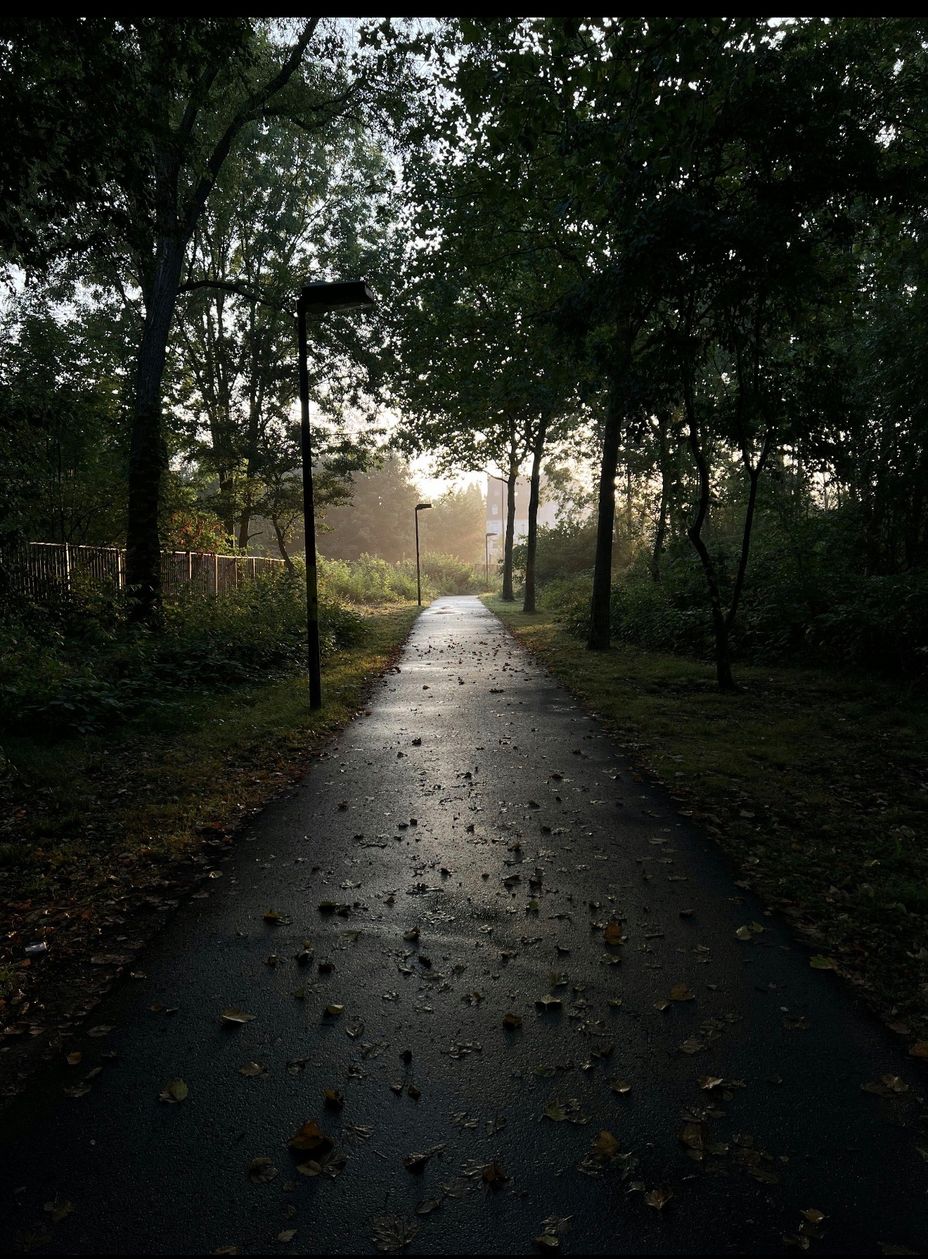
Sometimes protecting your peace means accepting that something has to end.
There comes a point in life when you have to be honest with yourself about what staying is costing you.
Sometimes we hold on to people, relationships, situations, environments, or even old versions of ourselves because letting go feels harder. We tell ourselves that things might change. We remember how things used to be. We think about everything we have invested, everything we have endured, and everything we still hope could happen.
So we stay.
We keep trying. We keep explaining. We keep forgiving. We keep hoping.
And sometimes, without even realizing it, we begin to lose pieces of ourselves in the process.
I think one of the hardest things about letting go is that the decision isn’t always made because you stopped caring. Sometimes you care deeply. Sometimes something mattered to you more than you can explain. Sometimes you can still love someone and know that being around them is no longer good for you.
That can be a very difficult truth to accept.
We often associate letting go with giving up. We imagine that if we walk away, it means we didn’t try hard enough or that what we had wasn’t important enough to fight for.
But maybe letting go isn’t always giving up.
Maybe sometimes it is choosing yourself too.
There was a question I came across that stayed with me:
Why am I sacrificing my peace to keep others comfortable?
That question can make you uncomfortable because it forces you to look at things differently.
How often do we stay quiet because speaking up might upset someone? How often do we tolerate things because we don’t want to disappoint people? How often do we keep ourselves in situations that leave us emotionally exhausted because leaving feels like we are somehow hurting somebody else?
Caring about other people is not a bad thing. Being compassionate is not a weakness. But there is a difference between caring for someone and constantly abandoning yourself to keep them comfortable.
Your peace matters too.
And I think sometimes we only realize how exhausted we were after we finally step away.
When something has been part of your life for a long time, you can become so accustomed to it that you stop questioning whether it is actually healthy. Familiarity can make something feel safe simply because you know it.
But familiar does not always mean healthy.
Sometimes the thing you are afraid to leave is the very thing that is preventing you from healing.
That doesn’t mean letting go will suddenly feel wonderful. It might not.
You might grieve. You might question yourself. You might miss what you had. You might wonder whether you made the right decision. You may even find yourself remembering only the good parts and forgetting why you needed to leave in the first place.
That is part of the process too.
Letting go can hurt and still be the healthiest decision you have made.
I think we need to give ourselves permission to acknowledge both things at the same time: “This hurts” and “This is still right for me.”
Those two truths can exist together.
You can miss someone and still maintain your boundary.
You can appreciate what a chapter gave you and still decide that the chapter has ended.
You can love something and still recognize that continuing to hold on is no longer healthy for you.
And perhaps that is one of the hardest forms of growth — accepting that something doesn’t have to be completely terrible for you to leave it.
Sometimes nothing dramatic happens.
Sometimes you simply reach a point where you realize, I can’t keep living like this.
And that realization can be quiet.
There may not be a big confrontation. There may not be an explanation that makes everything make sense. Sometimes the healthiest decision is simply the decision you make privately within yourself: I need to choose peace now.
Choosing peace doesn’t mean you stopped caring.
It means you finally started caring about yourself too.
Maybe letting go isn’t about pretending that something never mattered. Maybe it is about respecting what it meant to you while also accepting that you cannot stay somewhere simply because it once felt right.
Life changes. People change. We change.
And sometimes healing requires us to release what we have outgrown.
That doesn’t make you selfish.
It doesn’t make you heartless.
And it doesn’t mean you failed.
Sometimes it simply means you listened to that quiet voice inside you that had been trying to tell you the truth for a very long time.
So if you are in a season where you are struggling to let go of something, perhaps you don’t need to rush yourself.
Give yourself permission to grieve it.
Give yourself permission to be uncertain.
Give yourself permission to acknowledge that it mattered.
But also ask yourself honestly:
What is holding on costing me?
And perhaps even more importantly:
What could healing look like if I finally allowed myself to let go?
You don’t have to have every answer today.
Sometimes the first step is simply admitting that your peace matters.
And sometimes, letting go is not the end of something.
Sometimes it is the beginning of coming back to yourself.
listen to the still small voice within. 💜
— Gemini
 6 reactions •
1 comment
6 reactions •
1 comment
I’ve have had the symptoms of chronic fatigue for years and was just recently diagnosed. I teach middle school and it’s killing me. It drains every bit of my energy but teaching is my passion and I never want to give it up. But what I do need is something better than 400 cups of coffee to keep my energy up. Any over the counter suggestions that have worked for you? I get advertised tons of them but I don’t trust their “miracle cure” I’d love some feed back on what some of you might take to help with the fatigue and mental cloudiness. Coming straight home from work and getting bed isn’t helping with the relationships with my husband. He is so kind and excepting of my limitations but I want to spend more time with him and my other family. I want a work life balance but right now it’s all work and then collapse as soon as I get home. Please any suggestion might help. #ChronicFatigue #ChronicEpsteinBarrVirus #Fibromyalgia #ChronicFatigueSyndrome #ChronicPain #CheckInWithMe
 8 reactions •
6 comments
8 reactions •
6 comments
50 Ways to build Self-Esteem
1 Say daily affirmations to remind yourself of your strengths, awesomeness, & worthiness
2 Learn & practice ways to create calm & peace within mindful breathing is a great start
3 Ask for help & support. No one can go it alone
4 Form connections & relationships with caring adults
5 Laugh-play-have fun-get silly
6 Surround yourself with supportive friends who treat you the way you want to be treated
7 Eat healthy food
8 Remind yourself that no one is perfect
9 Help others
10 Look in the mirror & tell yourself "I Love You"
11 Embrace & accept all of you---this includes your imperfections & vulnerabilities
12 Set boundaries (what are you ok & not ok with) & stick with it. Know when to say "no thank you".....resist peer pressure
13 Create-build-cook-bake-garden-do art
14 Drink water
15 Forgive others & yourself. Remember we are all human & all make mistakes
16 Complete chores, assignments & other responsibilities you have been putting off
17 Give yourself a hug
18 Do random acts of kindness
19 Talk about your feelings with someone you trust
20 Speak your truth. Say what you want, need, & hope for.
21 Use good posture. Stand (or sit) tall as you are
22 Avoid comparing yourself to others
23 Identify the things you can & cannot control. Focus your energy on the things you can change
24 Respect other people's differences. When we show respect for others we are also showing respect for ourselves
25 Read for fun. Read for relaxation. Read for opening your life to possibilities. Read for you.
26 Remind yourself that you can do tough things
27 Practice gratitude. Give thanks for at least 3 things everyday
28 Complete your school assignments, even when you don't want to (because it's "too boring" or "doesn't matter" or "too hard") Feeling good can be found in getting things done
29 Turn off screens. Minimize time spent on social media. Do not base your self worth on the click of a "like"
30 Choose optimism. Look for the brighter side of things & see the cup as half full
31 When things don't go your way or the unexpected happens, get back up & try a different approach
32 Get moving & exercise daily. Your body will thank you by releasing natural feel-good chemicals
33 Follow your curiosities & learn, try, or create something new
34 Reflect on what is important to you & what you value. Then make choices that are in alignment
35 Learn how to resolve conflict peacefully. Use I statements & if you need help doing such ask for help
36 Practice healthy ways to cope with stress
37 Remind yourself that your bravery is stronger than your fear
38 Join an after school club or sports team. Try a new hobby
39 Set goals for yourself & work toward them, step by step
40 Treat yourself with kindness & compassion---even & especially when life gets hard
41 Trust yourself
42 Do the next right thing
43 Remind yourself that the images you see on the media, magazine covers, movies, etc.----are edited & photoshopped. Don't compare yourself to what you see in the media
44 Practice daily hygiene. Bathe regularly, brush & floss your teeth, trim your nails, wash your hands etc.
45 Make a list of your strengths & achievements & hopes
46 Be your own best friend
47 See mistakes as opportunities to learn, grow, & get second chances
48 When someone gives you a compliment say thank you
49 Do more of what helps you to step into your power & feel good about yourself
50 Tell the truth, be honest, even when it's hard to do
1 reaction THE Desperado, My Friend in a Video, The Lingere, and the Very tired Sex, You mustn't watch movies at 1 30 AM, it threw me off, You were in Ruins, Therefore How are You? YES, some of that is Why, um the secret swears, NYOB, Shhhhhh, Well you were always on my mind, Where does that get me? Hi, Go Out of ---- Brain, and yer night? And yer Stories, The Abbey Relationship Column advised at by Someone Completely Else
 2 reactions


