Latest
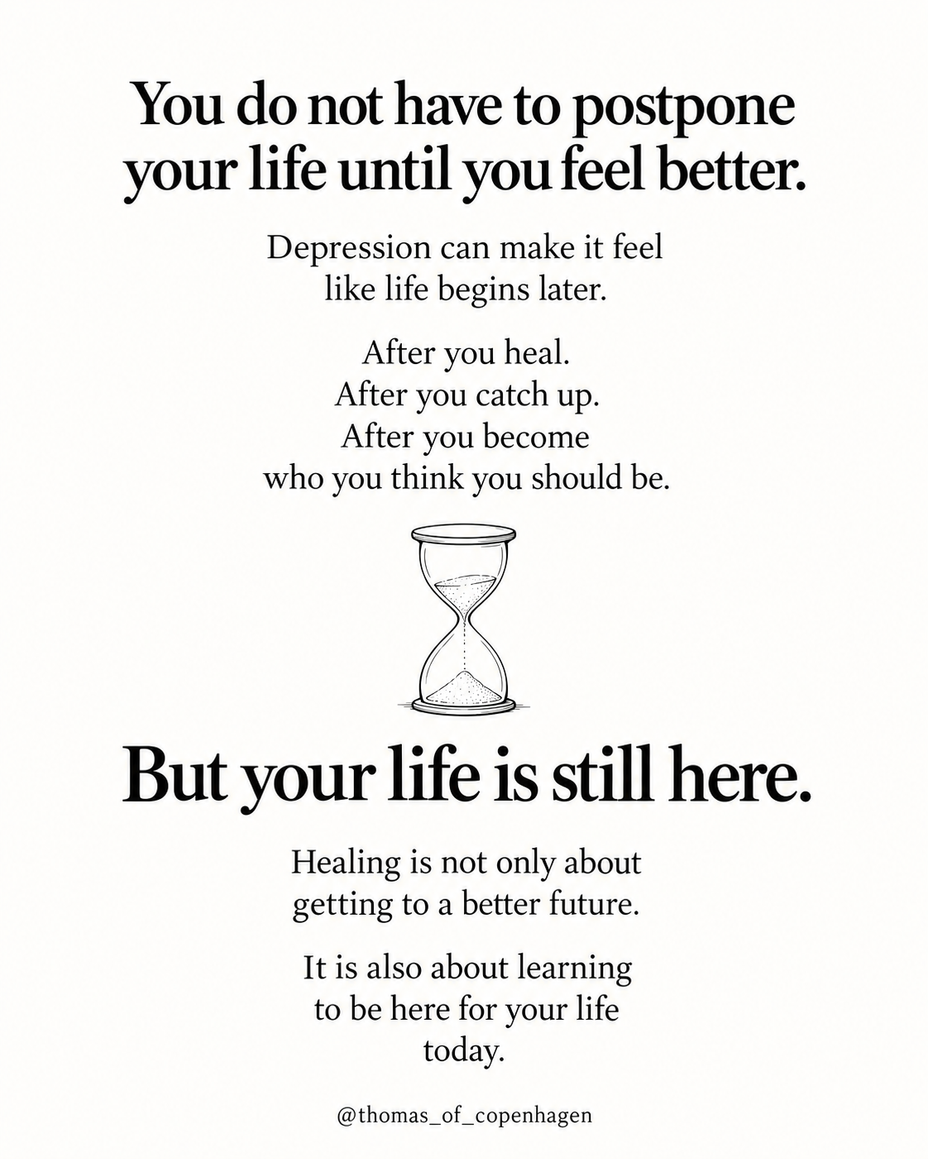
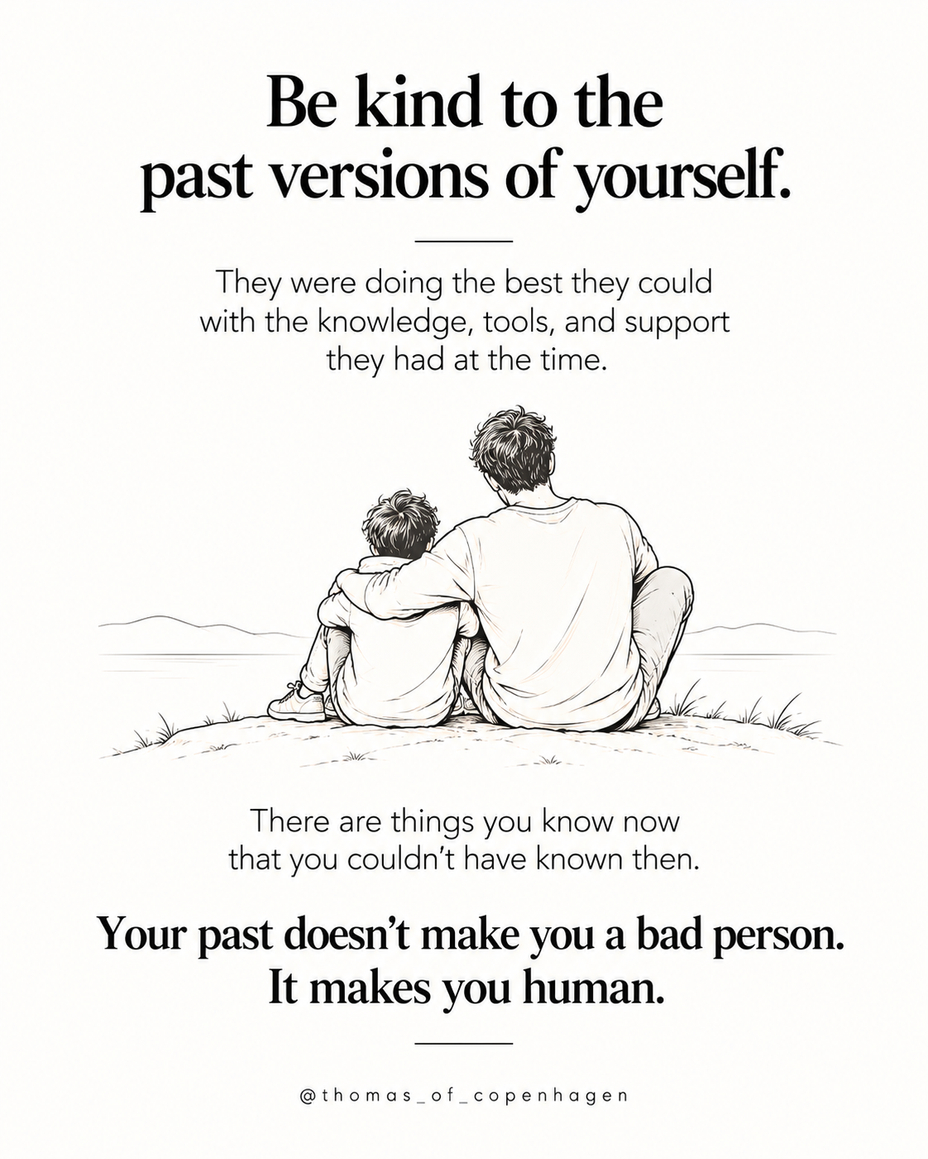
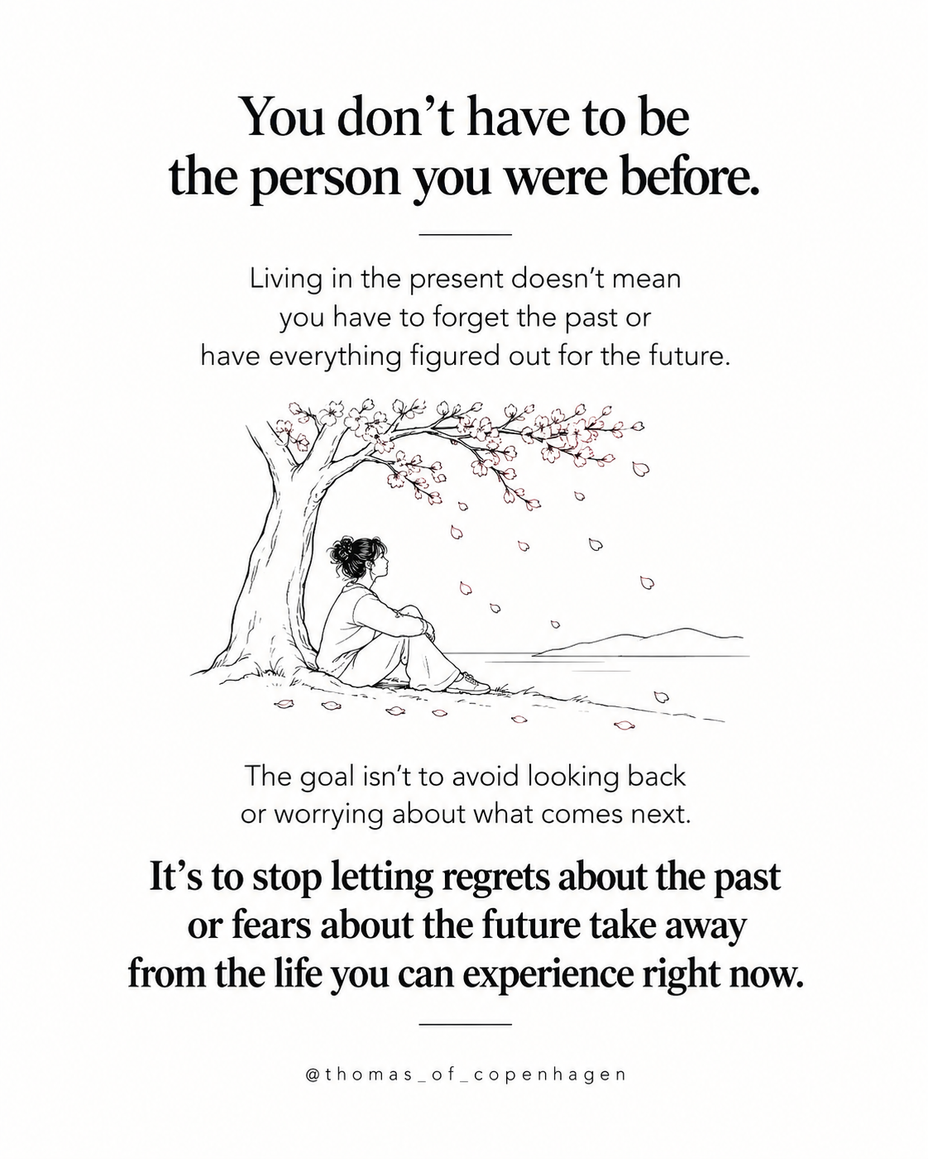
Depression can make life feel like something that starts later. Later, when you feel stronger. Later, when you’re more healed. Later, when you’ve caught up, figured things out, or become the version of yourself you think you’re supposed to be. But if you keep postponing your life until you feel better, you can end up missing the small moments that are part of healing too.
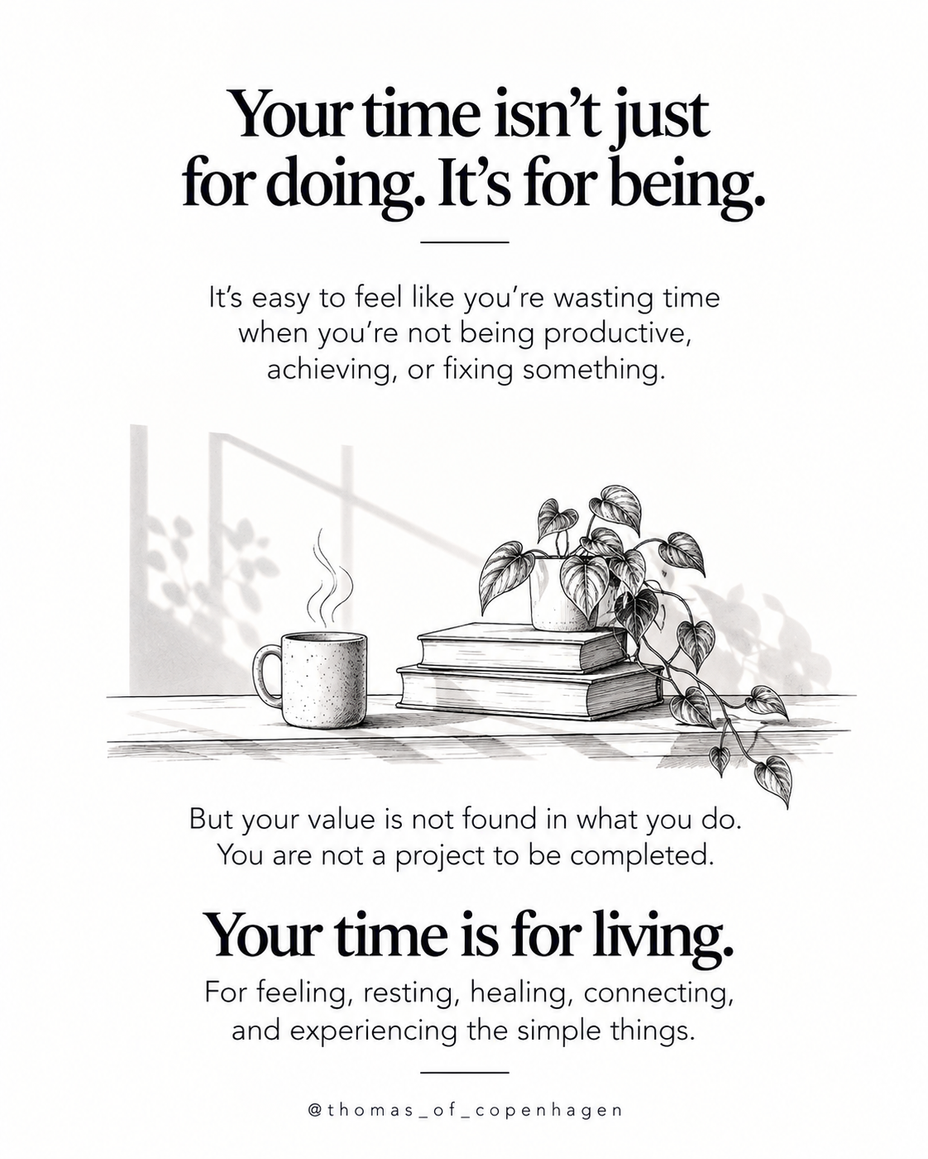
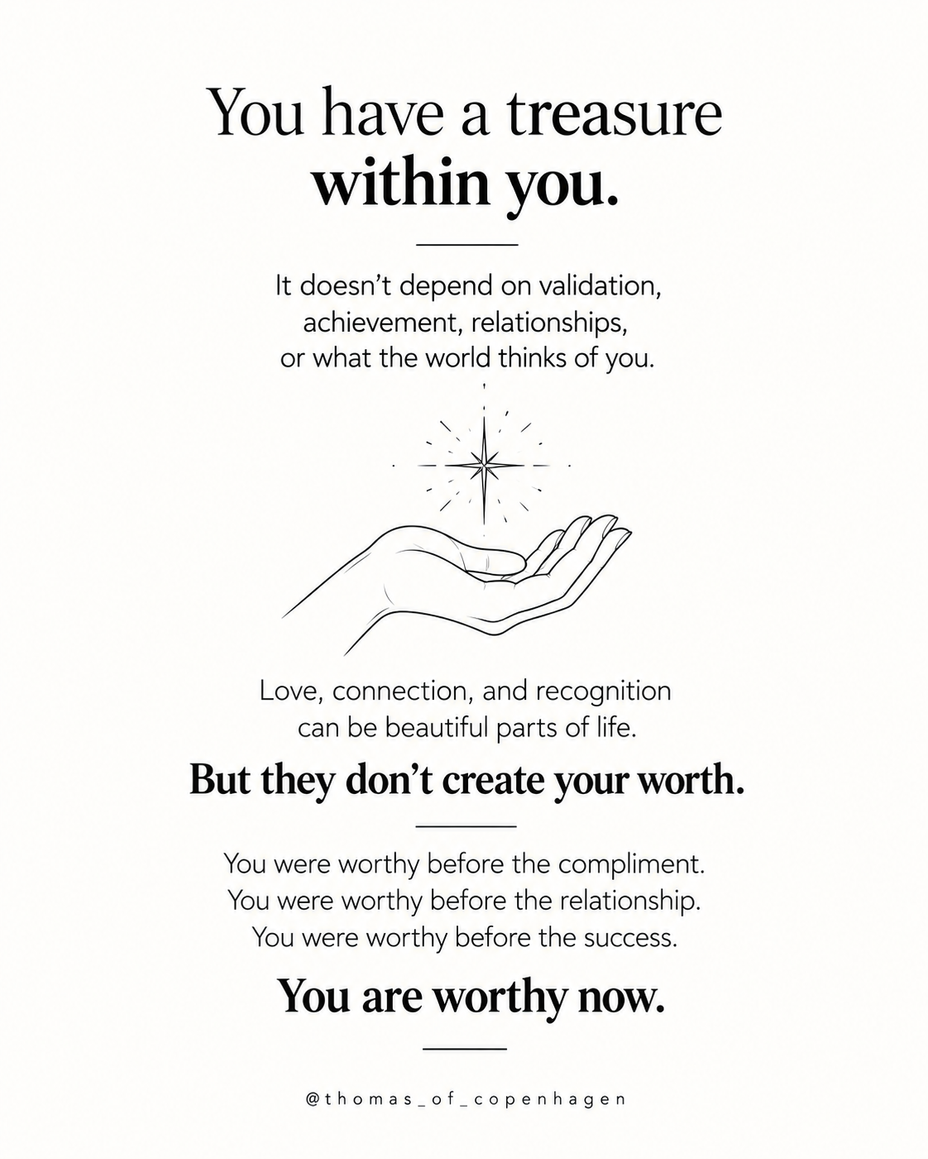
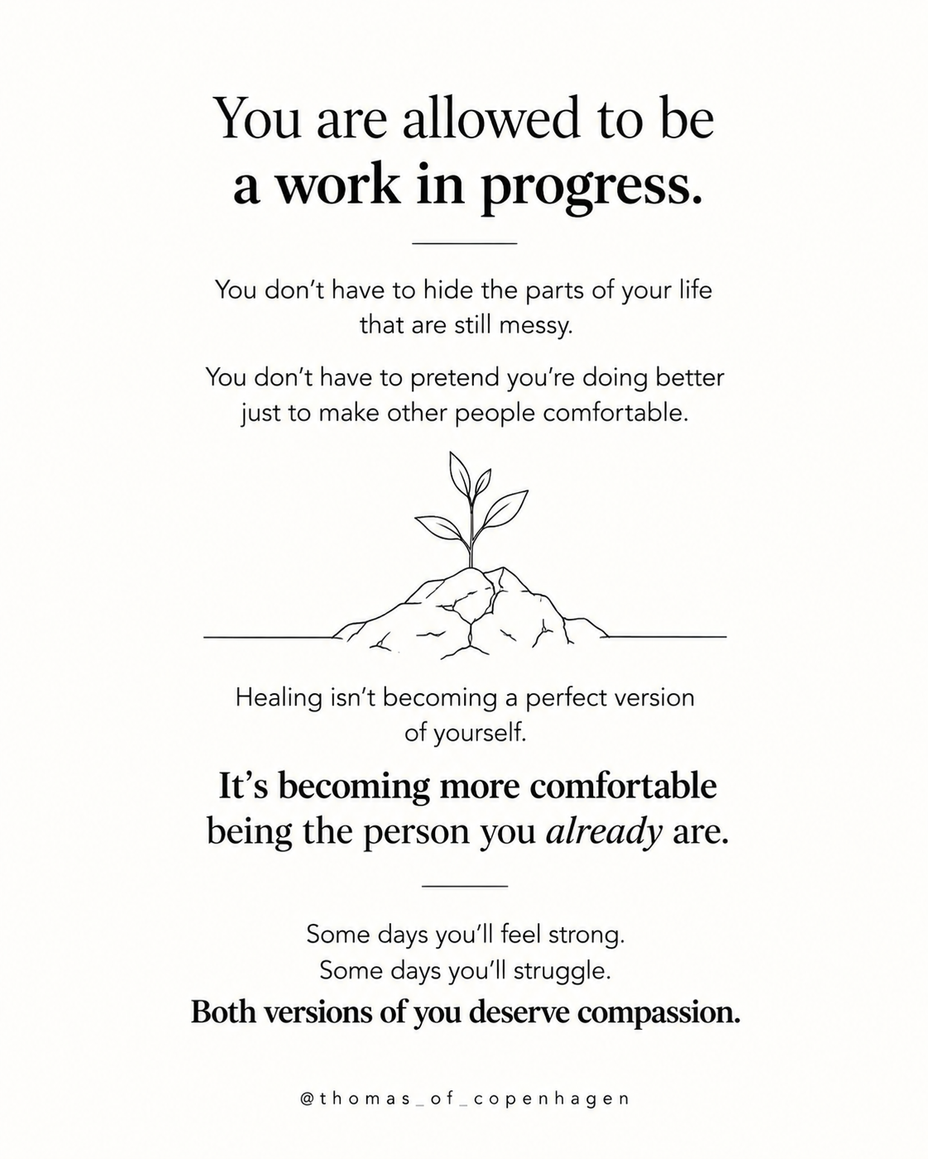
Recovery is not only about getting to a better future. It is also about learning how to be present for the life you still have right now. You do not need to wait until everything feels okay before you let yourself rest, connect, notice something beautiful, or care for yourself. Your life is still here, even while you are healing.
What helps you come back to the present when your mind keeps telling you life begins later?
Also, if you're going through a tough time right now, I want you to know that I post mental health videos about how to deal with painful thoughts. So if you or anyone you know is struggling and wants help, click on one of the links below or write me if you have any questions you want me to answer:
www.instagram.com/thomas_of_copenhagen
www.tiktok.com/@thomas_of_copenhagen
~ Thanks to all. Thanks for all. ~
#MentalHealth #MentalHealth #Depression #Anxiety #BipolarDisorder #BorderlinePersonalityDisorder #Addiction #dissociativedisorders #ObsessiveCompulsiveDisorder #ADHD #Fibromyalgia #EhlersDanlosSyndrome #PTSD #Cancer #RareDisease #Disability #Autism #Diabetes #EatingDisorders #ChronicIllness #ChronicPain #RheumatoidArthritis #Suicide #MightyTogether
 8 reactions •
3 comments
8 reactions •
3 comments