I am having a horrible panic attack and have been almost all day now,and I cant calm down. Is there anyone I could talk this out with?
If you've struggled with the anticipation of flying, you know first hand how torturous it can be to lead up to a flight when you're feeling fear, dread, panic, and anxiety. For some, the anticipation of the flight can be the worst part. While for others, it's one of several difficulties with fear of flying—takeoff, turbulence, cruise, etc. However, approaches to resolve anticipatory anxiety often miss the mark.
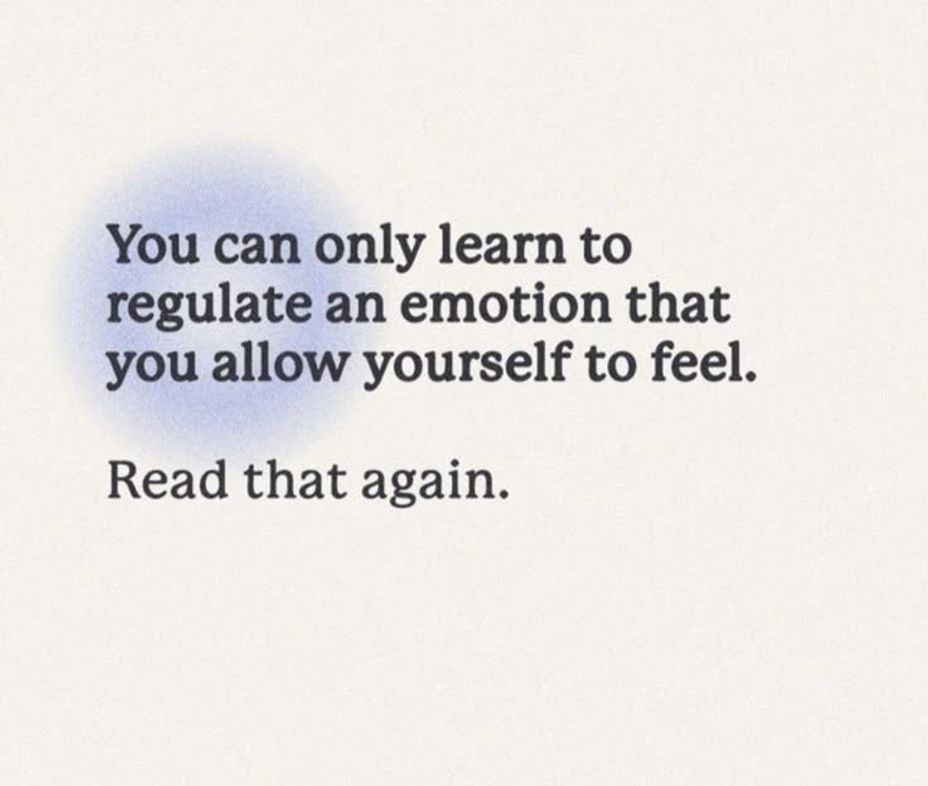
When you're feeling scared and panicked, the last thing anyone wants to hear is why they shouldn't be anxious, or that they should rationally be thinking about things differently. When you are scared, comfort, protection, reassurance, and safety is needed most. It's very hard to reason with emotions. While this may sound simple on the surface, the real complexity is that for people who struggle the most with flying anxiety, it can be difficult to really internalize reassurance and comfort when the danger and threat feels so real and imminent.
The Power Of Emotions Topples Rational Understanding
I've been noticing a recent increase in fear of flying courses offered by pilots and airlines. These courses generally try to explain why flying is safe, in the hopes that this understanding will quell a person's anxiety. Sometimes they may offer meditative or breathing exercises in the hopes that this will be enough. And, while they may have good intentions, these kinds of courses have mostly not done the trick for people (even if a select group of people have been helped by them). I've often had people come to me after trying these programs noting that they were interesting, but they still feel anxious about flying.
While pilots and airlines are experts in flying and aviation, their expertise isn't in emotional processes, trauma responses, anxiety, panic attacks, or mental health. These courses don't tend to get at the deeper flying anxiety issue. There can be a temporary relief brought on by the sense of understanding some details—which can actually be useful in the greater process—but this alone usually makes a minimal dent in the overall issue. When it comes time to fly and all of the overwhelming anxieties come charging back in, all of the knowledge and calming exercises are no longer accessible for most people and, even if accessible, generally aren't able to withstand the intense wave of emotions.
In reality, anticipatory anxiety stems from deeper emotional fears and experiences that are brought to the surface when moving towards flying. The closer you get to the flight, the less in control you feel, the more vulnerable and helpless you may feel, and the more desperate you may start to feel as the anxiety builds. It can be like you're in a completely different version of yourself that feels unrecognizable from who you usually are.
Anticipatory and Flying Anxiety Is An Internal Experience
What people who are trying to help often miss about anticipatory anxiety is that the experience all happens internally. It doesn't take place in the actual flying experience, it takes place removed from the experience—hence the anticipation. When sitting with this kind of anxiety, people can easily be flooded by their worst fears, projections, thoughts, and emotions. Everything they see and feel internally about the experience feels like is what they're going towards. If you see a plane losing control in your head, a part of you is going to feel the emotional preparation for a plane going out of control—rather than preparing internally for a typical safe flight.
It's very difficult to take in how many flights per day take off and land safely when in this fearful state. Instead, the focus becomes about the fact that there's not a one-hundred percent guarantee, that there's a catastrophe they see in their minds, or the unbearably overwhelming feelings of fear they're going to have to somehow sit and contend with for hours and hours during a flight. Feelings of agoraphobia (being trapped with no escape), and claustrophobia can also be parts of the anticipation. This doesn't only happen with thoughts, but also body sensations that can feel like panic and significant discomfort. The fact that something bad could remotely happen at all overrides any sort of reassurance. It's very hard to reason with emotions when the feeling is that the worst is going to happen.
Powerful Feelings
Anticipatory anxiety in fear of flying can make you feel like you're the one that the bad thing is going to happen to. The feeling is powerful. The mind comes up with so many possible threats, fears, what-ifs, and more. For some, the anxiety can continue into the flight—anticipating turbulence, or waiting for signs that something bad is about to happen. For others, once they are actually out of the anticipation and into the flight, they can settle down once reality can show them a different picture that the earlier thoughts.
When caught in the grip of anticipatory anxiety, there is often the sense that you're headed towards something bad, or dangerous. Something is a threat. In this state, there is no relaxing until you're able to identify the source of it—which can often mean people stay on edge looking for an issue to happen throughout the flight. It often doesn't just calm down when you don't find the actual threat. For some it might, but for many, it persists until you're able to locate an issue. This makes the experience of leading up to and during a flight feel fraught with anxiety, dread, and can even turn into panic attacks. Anticipatory anxiety and fear of flying plays out differently for everyone because the deeper source is different for everyone.
Overcoming Fear of Flying and Anticipatory Anxiety
When working with fear of flying, knowledge about planes and flying, and emotional regulation exercises (such as deep breathing) do very little to calm it. Both can be helpful as a secondary measure within the process, but once the emotions kick in they become much harder to rely on. Overcoming fear of flying involves helping the brain be able to internalize safety in the flying environment (the way you likely feel when getting into a car). Knowledge is "front of the brain". Emotions and lack of safety come from the "back of the brain". Working with the back of the brain is generally necessary in helping to calm deeper fears, and this opens the space to normalize flying.
#fearofflying #Agoraphobia #Claustrophobia #Anticipatoryanxiety #Anxiety #Phobia #PanicAttacks #MentalHealth
Hi, my name is AntiqueFirefish342. I'm here because
#MightyTogether because I have panic attacks caused by anxity
Hi, my name is Julia. I'm here because I was diagnosed with a bipolar affected disorder current episode mixed. I also live with depression and anxiety and get panic attacks. The specific bipolar disorder was diagnosed a few months ago. It confuses me so much. Having to deal with the combination of these challenges and symptoms are scary. People don't seem to understand or try to find out more about it, leaving me frustrated and unsupported.
#Anxiety #Depression #BipolarDisorder
Hi, my name is Sunflowerlilypad0186. I'm here because I have struggled with Anxiety GAD and Depression, Panic Attacks etc since I was 14, I am now 26 will be 27 this year and I’ve been struggling a lot with super bad severe anxiety and depression, but it’s been really scary because my body symptoms are different than usual, now leading to bad full body stress cramps especially the legs/ calves, sometimes my hands. Being lightheaded, faint feeling or dizzy, and IBS etc, sleep issues. Last year I had really bad Sensorimotor / Somatic OCD, especially the breathing type. I really hope things get better I feel really down :( and feel like I’ll be struck this way, I try so hard but I always feel stressed.
#MightyTogether #Anxiety #Depression #OCD #EatingDisorder #PanicAttack #PanicDisorder #IrritableBowelSyndromeIBS #PolycysticOvarySyndromePCOS
Hi, my name is Sunflowerlilypad0186. I'm here because I have struggled with Anxiety GAD and Depression, Panic Attacks etc since I was 14, I am now 26 will be 27 this year and I’ve been struggling a lot with super bad severe anxiety and depression, but it’s been really scary because my body symptoms are different than usual, now leading to bad full body stress cramps especially the legs/ calves, sometimes my hands. Being lightheaded, faint feeling or dizzy, and IBS etc, sleep issues. Last year I had really bad Sensorimotor / Somatic OCD, especially the breathing type. I really hope things get better I feel really down :( and feel like I’ll be struck this way, I try so hard but I always feel stressed.
#MightyTogether #Anxiety #Depression #OCD #EatingDisorder #PanicAttack #PanicDisorder #IrritableBowelSyndromeIBS #PolycysticOvarySyndromePCOS
People who have a tendency towards perfectionism may tell you that being a perfectionist drives their success. That striving for flawlessness makes them the best at what they do. And sometimes, it actually does pay off, at least in some ways. But overall, the relentless pursuit of perfection can often feel more like a heavy and unfulfilling emotional tax rather than rewarding.
This is when perfectionism crosses over from striving for excellence and instead becomes a source of stress and a feeling of inadequacy and failure.
Aiming for Excellence, Running From Fear
When perfectionism begins to backfire, your drive towards excellence may start to feel like you're running from fear (and it can often be both at the same time, however the running from fear begins to hold more power than the drive towards excellence). This type of perfectionism is often a powerful, rigid shield against things such as feeling inadequate, feeling like a failure, making a mistake, or the shame of falling short of what can be lofty expectations. In this cycle, your focus may unconsciously turn to eliminating the threat of shame, failure, and inadequacy, rather than trying to reach reasonable goals with reasonable expectations.
In a more fearful state, people can set impossible expectations for themselves, hoping to prove their worth (to themselves and others), only to find that the expectations aren't reached. This can lead to self-blame and strip away confidence (or make it hard to build confidence that was already low). When in a place where the rigidity of perfectionism is consuming you, it can be a set up so either you achieve perfection, or anything less is inadequate and not good enough. There is little to no window of flexibility for mistakes or "good enough" to exist. This can have a suffocating impact on mental health, often resulting in intense stress and pressure to do things the "right" way, which can also strongly impact relationships.
Avoidance If Perfection Is Too Daunting
When you’re stuck in this fear-driven cycle, it can be tempting to become inflexible, sometimes without even realizing it. The pressure and anxiety may continue to grow as you're striving for perfection.
This often shows up in unexpected ways. For some, it results in procrastination. After all, if you don’t start something, you can’t mess it up or fail. For others, the pressure to be perfect may show up as overworking and compulsively checking (and re-checking) every detail, which may feel productive in the moment, but over time can result in burnout. It also may show up as inflexibility with others around you when the way you do things may differ from theirs. These are all different forms of avoidance, aimed at keeping uncomfortable, unwanted feelings of doubt and inadequacy at bay as long as possible.
It may feel within yourself like you're always working hard to keep things together, and that any mistake or failure feels like you'll lose control and everything is going to fall apart. It can make anything less than perfection feel scary and catastrophic. Therefore, avoidance can be a common response to fear of failure.
The Harsh Inner Critic
One of the most destructive responses that comes with this kind of pressure is debilitating self-criticism. When you inevitably are unable to meet an arbitrary, impossibly high standard, the immediate response can often be a harsh and unrelenting internal attack. It’s a vicious cycle. Your high standards may generate fear and anxiety, and when that fear is validated (that you're not good enough), you may respond with judgment and self-blame. This only intensifies the anxiety and the pressure to do better next time—making it even harder to succeed the next time and more likely you'll end up back in the self-judgment.
What's even more complex is that, every so often, some people may reach the high mark they have set. However, it then becomes about the anxiety of sustaining that bar, and any movement away from it becomes the new failure. It can become exhausting and defeating constantly trying to meet or maintain a standard that almost sets up failure from the start. It's these setups that really need to be understood on a deeper level when working through perfectionistic tendencies.
Shame, Anxiety, Panic Attacks, and Moving Forward...
There are many reasons perfectionism can show up in people's lives. But when you're going through it, it can feel like there is no room for compassion, no room for mistakes (obviously, within reason) to be okay, and no room for good enough. There can be so much shame, guilt, anxiety, fear, tension and other feelings that uphold perfectionism—and it's often when these feelings go unacknowledged that perfectionism can take a stronger, even paralyzing hold. This can eventually turn into panic attacks, phobias, and more.
It is possible to move forward from perfectionism. Therapy is a place to be able to slow down and become more in touch with the deeper anxieties and fears that lead to the urge to be perfect, and learn how to feel safe without continuing these patterns.