Postpartum

Create a new post for topic
Join the Conversation on
Postpartum
1.4K people
0 stories
159 posts
About Postpartum Show topic details
Explore Our Newsletters
What's New in Postpartum
All
Stories
Posts
Videos
Latest
Trending
Post

I'm new here!

Hi, my name is Nat85. I'm here because I am a clinician working with mothers pregnant and postpartum. I'm looking for helpful information on behalf of my clients and to see if this would be a beneficial space for them as well. Many of them have minimal emotional support and concrete help. They need community and to know they're not alone. Thank you!

#MightyTogether

Most common user reactionsMost common user reactions 2 reactions
Post
See full photo

Mud and Flowers Mental Health Awareness Day 2026 988 Suicide & Crisis Hotline #AFSP #Trauma #MentalHealth #IfYouFeelHopeless #Grief

Suicide awareness month came and went.

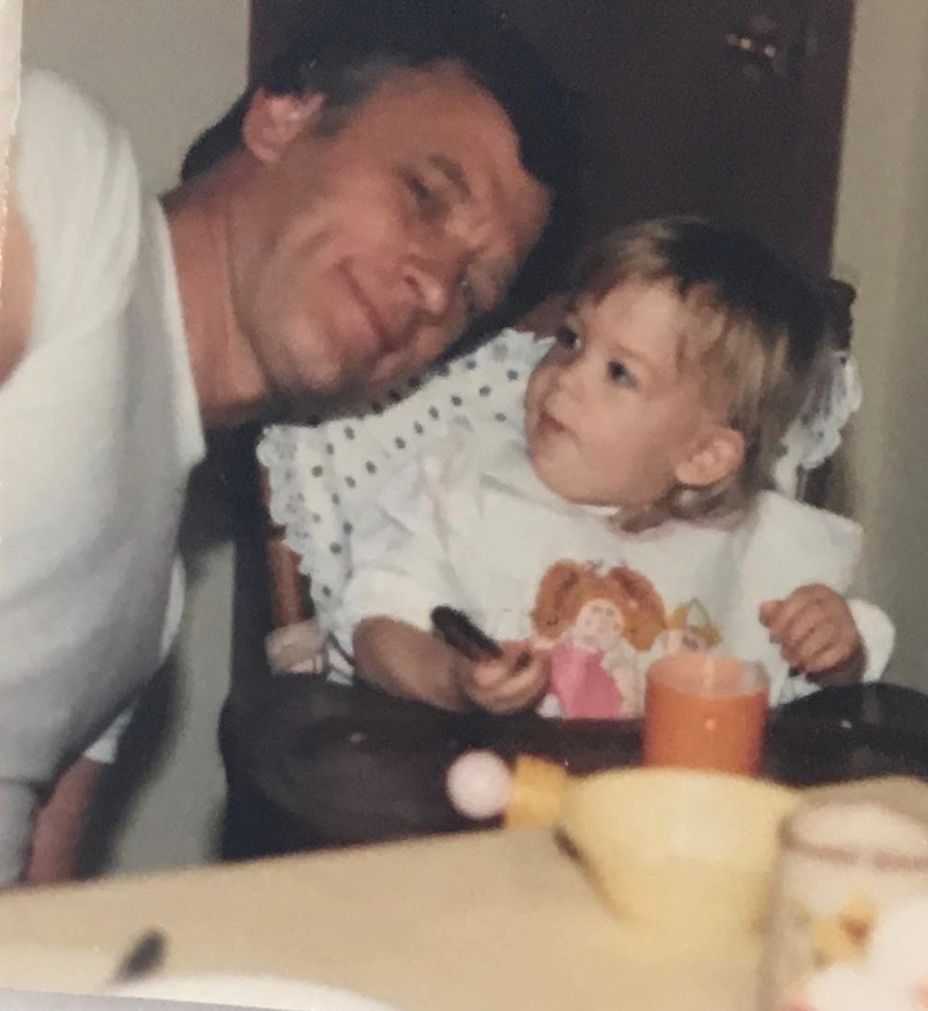
As October crept up, I realized that it would mark 30 years since my father took his own life.

I debated on writing this essay; part of me wanting to leave privacy and my experience in the innermost corners of my heart and mind.

I kept circling back to the way that The American Foundation for Suicide Prevention (AFSP) opened me to hope, connection, and resiliency.

I have seen over the decades the way storytelling inspires others to know we are not alone–we are intertwined in many ways and share more commonalities in being human than we realize.

I am no expert on grief.
I stay humble to it and honor the process.
I have learned to hold it with more grace and care over the years.

I hope this small share does something for someone else who needs it…

like I once so desperately did.

(In my sleep I dreamed this poem)

Someone I loved once gave me a box full of darkness.

It took me years to understand that this, too, was a gift.

-Mary Oliver

“I’m going to need your help. California would be best, but your mother won’t let me take you. Let’s go down the road and see this other apartment I just found.”

Throughout the summer I tagged along with my father as he searched for apartments. I never knew if he would be enthusiastic and full of drive or if I would come upon the other version, where he was somewhat unresponsive on the couch, sucked into a cloud of heaviness so thick that it held him there for the rest of the week.

On this day, though, he was bigger than life itself.

Joy filled me.

I got to tag along.

His scent entered before we got through the door.

Old Spice.
Cigarettes.
Worn leather.

I watched his beautiful charming smile and laughter fill the lobby as the property manager went over the specifics of the apartment with him.

“Other than them visiting I will have no one to talk to, so we are going to go get an African Grey. Did you know how smart those birds are? We’ll be best friends!”

Laughter and charm filled the lobby.

Excitement filled me.
Another pet?
As an animal lover, I knew that this was a “good” day and I was taking advantage of it.
Sure enough, off we went to a bird specialty shop to explore.

But we never got the bird.

He never got the apartment.

It's been 30 years now.

But I can still see and feel the details from that morning it happened.

The smell of V05 shampoo on my hair.

The way the toaster oven start button stuck for a few seconds before starting to crisp my frozen blueberry waffles.

Mid-day I felt sick at school. I went to the nurse, yearning for some relief.

“Would you like me to call home sweetie?”

Home?

Home. I thought.
That was the last place I wanted to be right now.

My parents were in the middle of a divorce.
Shadows of domestic violence crept over the house. Most days I was with friends or sleeping somewhere else.

“Sweetie?”
“No thank you. I will go back to class.”

Little did I know that I would return from school later that day and be unable to find my father.

My palms were sweaty as I sat on the vinyl chair in the circle, taking in each face.

Had it been a few months since that day?

Or a year?

How did my mom even find this place?

I was just a young teen and had no idea what a support group meant or if I was expected to talk about the bottomless pit of despair and sorrow I was holding. How does one assign words to how confusing it was when I sometimes felt nothing, just numbness.

I definitely did not want to be here.

Then, suddenly someone was speaking.

Sharing.
Telling me.
Us.
Showinging their pain.

Their son had taken his life so many years ago. She was steady.
Full of grief, but giving.
Full of pain, but moving forward.
Sharing the ways she had been holding grief and finding joy in her life at the same time.

In that moment I felt relief and seeds of hope.

Do people survive this?

Is there a way forward with this massive amount of grief and pain?

Neither felt like a possibility just moments ago. I sat wide mouthed now. In shock and awe of their loss, but also their ability and bravery to share and embrace each new day with hope. To be here so many years later sharing.

Could I too one day be this?

A person with so much grief, but also living, filled with some sort of hope.Something that looked like joy and supporting others?

My mom came home from work that afternoon after we got home from school because we all kept calling her.

“We can’t find dad, but his car is here. It is so weird.”

“OK, I will be right home. Just stay put.”

My mom came home.
My mom found him, but he was gone.
My father had taken his life.

I can still feel the grass between my toes. The pounding of my heart. Being directed, shouted at, to run to my neighbor’s house, thinking at that moment only about my sneakers and not understanding why I couldn’t just put them on first.

What was so important?
So urgent?

I remember the way my neighbor’s rec room began to cave in.
The floor dissolving under my damp feet.

The sadness on their face.
The pity they held as they looked at me.
The way they stumbled for words.

And somehow we knew seconds before the words came out.

I remember the way that shock slowly washed over us all, perhaps as a buffer for the storm of grief that was approaching.

Life after losing someone to suicide.
Life after losing my father.

I think of that young girl I was and I wish I could go back to hug her, show her the beauty that lay ahead, whisper to her…

“Keep going, don’t be afraid, the pain is not who you are, it is just what has happened.”

I wish I could rub her back at night, even when years later, her mind would play tricks on her,
hearing her dad’s car pull up late at night like when he was alive and worked the doubles.

The car alarm beeping to lock the car doors.

Only to get up and look out the window and realize that it was only a memory, no car was there, he was still gone.

I wanted so badly to go back and be with her in that early pain.

Since I couldn’t go back to her and hold her, I anchored my desire in the early hope that began to take root:

connection, support, storytelling, resilience.

I became a client.

Seeking out mental health therapy for myself throughout my early years and into adulthood as I unraveled my own trauma, sought to dismantle intergenerational patterns, and find healthier ways to navigate stress and my own emotions.

I became an advocate.

Supporting new mothers, offering postpartum support, creating groups and facilitating connections.

I became a source of support for young adults.

Working in higher education helping students find their way when they felt lost and confused.

I became a mental health therapist.

Dedicating my profession to supporting, honoring and witnessing others sort through their own stories, transitions, mental health conditions and meaning making.

I became a mother.

Working each day to be curious about how to show up as the best version of myself for them and to see the ways to unweave generational patterns that no longer serve me. How we all can be our most authentic selves. Looking into their eyes with pride and hope for a new future.

I became a wife.

Setting aside fear and skepticism. Embracing vulnerability, love, friendship and connection.
Dedicating myself to loving another. Allowing myself to be loved.

And I am still a daughter and sister.

To other survivors of loss who have their own stories of resilience, hope and strength. With
whom I have gone through the decades with as life has presented challenges and joys.

And also to my father.

Who I still grieve for 30 years later, but with an understanding that grief has been an anchor for me, allowing me to continue to remember my father and hold space for whatever that may bring, year to year.

988 Suicide & Crisis Hotline at 988

Crisis Text Line (text TALK to 741741)

afsp.org to learn more

#MentalHealth #Grief #AFSP
@americanfoundationforsuicideprevention

Home

Learn about suicide, how you can help prevent it, and resources for those affected, from the American Foundation for Suicide Prevention. Our mission: save lives and bring hope to those affected by suicide
Most common user reactionsMost common user reactionsMost common user reactions 10 reactions
Post

I’m new here!

Hi, my name is teachermom1992. I'm undiagnosed and I am desperate for answers because I need HELP. My body has been doing crazy things since 2024 and I have been to countless appointments, tests and specialists (what is avaliable in my area anyways)

This is going to be a long read but I am hoping (begging and praying🙏🙏) someone can help me.

​My "Before" Baseline :

​Baseline: Always active (high school English teacher, mom of young kids born sept 2022 and oct 2025), baseline normal always perfect BP.

​Lifelong info: Migraines since age 12, always freezing cold (loved jackets, fuzzy things, heated blankets, saunas, etc) but with a kinda low heat tolerance (would get super red faced and later a heat rash if I overheated - but it took a lot to get there, like a full day / days of being in the heat and being very active), easy bruising, extreme clumsiness (I run into things all the time, even doorframes), hyperextending joints in some places, and a few random fainting episodes over the years when tired/dehydrated.

​Where Everything Shifted (July 2024 while on vacation at Disney 😭):

​Out of nowhere in July 2024, I developed severe, unremitting cyclic nausea and vomiting. I am talking we were on vacation 18 hours from home and I woke up thinking I had to get sick and then I didn't stop for basically 7 months. Let's out it this way, I lost FORTY-FIVE POUNDS from being sick.

​Ended up having my gallbladder removed in Sept 2024 (HIDA scan said hyperactive gallbladder can cause that as well so we had to try something), but the nausea/vomiting came back 6 days post op. I was on short term disability from my job as a teacher from September to February, when i finally stopped getting sick daily.

​The Pregnancy Remission:

My symptoms started to get better, i thought because we had finally found the right medicines to knock it. Then, ​I found out I was pregnant in early 2025—and remarkably, all of my nausea and dysautonomia symptoms vanished 100% during that time. I felt amazing throughout pregnancy.

​The Postpartum Crash & What Episodes Feel Like:

Shortly after giving birth earlier this year, my body has slowly but completely collapsed into severe autonomic dysfunction since about 3 months pp. My daily episodes and symptoms have slowly started to come back and feel like:

➡️​Tachycardia & Bounding Pulse: Walking room-to-room sometimes makes my heart rate skyrocket (recently hit 150–170 bpm within minutes on a slow treadmill stress test). I feel a massive, pounding pulse in my face, ears, and head.

➡️​Temperature Storms: I get severe cold chills and deep internal shivering, which quickly flips into intense heat intolerance, facial flushing, and sweating. Like all over sweating for no reason. To the point I am so paranoid to be hot and I love in the south - so hiding inside isn't fun.

➡️​Sleep-to-Wake Inertia: Waking up is brutal—my BP drops low, and I feel like I physically cannot open my eyes or wake my brain up. Almost like I am drugged.

➡️​Physical Intolerances: Deep, aching soreness in my legs and feet (relieved by walking/stretching, was told it was plantar fasciatous since it gets better with movement), severe urinary urgency/frequency shifts, zero alcohol tolerance (and not that i was a huge drinker but I am a millennial, I have for sure woken up in a field somewhere and I had a good time in college), and sudden nausea flares and facial flushing. Also being HOT is the worst thing imaginable. Like I want to rip off my skin and run away from everything and everyone till I am cool and occasional my body will feel "heavy", mostly my legs, while I am going up stairs.

➡️​Systemic Stress Surges: When my heart rate spikes, my BP can jump as high as 180/91 from the adrenaline surge. But there have been days when I wake up and it is 83/42 and I can't get myself out of bed. I feel faint. And that triggers panic of course which makes it all worse.

➡️not wanting to argue or get political about it but it is relevant, I did have covid at least 4 times confirmed, once while I was 8 months pregnant and got the vaccine

➡️I have been tested for all the normal things. Diabetes, thyroid disorders, had an ANA panel. All came back "normal" or there was another reason something could have been off

➡️MOST RECENTLY AND WHY I NEED HELP

On Monday I woke up and my bp was low. I took nausea meds, drank water and tried to push through the things because I needed to leave for work. I started feeling like I was going to pass out to the point my husband came home from work, I had to call my neighbor for help and and we went to the doctor (not the ER because they always tell me i am dehydratedand send me away and I'd rather pay a smaller bill and see my doctor who is trying to help me find answers. THAT SAME NIGHT I PASSED OUT in the bathroom floor. I woke up nauseous and with stomach cramping, felt super hot, went to get sick and all I remember thinking is I need to lay down and being SO hot and sweaty. Next thing I knew I was laying on the tile floor covered in sweat and I couldn't feel my arms or hands and my body felt so heavy. I had to use an Alexa device nearby to call and wake up my husband because I couldn't yell loud enough for him to wake up.

​We are currently TRYING TO connect any dots that may be related or that could help find an answer. I had a negative tilt table test. I do take anxiety medication and have for years. I do not take extra to sleep if I need to wake up early the next day, but I do struggle to fall asleep. I had had a heart monitor on twice and an echo, my heart is structurally fine. Neurologist says she thinks it is some form of dysautonimia but wants to dig more.

Can anyone give me any insight?? Does this sound like something you have experienced?? I need HELP. Desperately. I want to be a good mom again. I have 4 kids, 2 of which are little and need me. I want to be a good teacher again and full of the energy and life that made me good at it. I want to live my life without carrying around fans, water, cooling towels and a BP monitor OR AT THE VERY LEAST know why, so when i have to explain things i have an actual answer. I just need help. I have never been so sad, terrified, and just defeated in my life. I just cry and cry and want answers

Please, I would love to hear your experiences or what has helped you! 💜

#MightyTogether #Anxiety #Migraine #ADHD

Most common user reactionsMost common user reactionsMost common user reactions 20 reactions • 12 comments
Post

I'm new here!

Hi, my name is Daryn. I'm here because I am a mother of five. My youngest child--my very first son--will be one month old tomorrow. When I was 26 weeks pregnant, his anatomy scan confirmed a congenital heart defect called AVSD, as well as two soft markers for Trisomy 21. Soon after birth, he has been in the NICU since birth due to complications from his heart defect.I am joining to begin journaling as a coping method for everything I go through on a daily basis as a medical mom, postpartum, with four children at home and one in the hospital.#MightyTogether

Most common user reactionsMost common user reactions 7 reactions • 3 comments
Post

Postpartum

Well, so it looks like I am going to be active in here again.
Last week, on Thursday I gave birth to my daughter Amelia. She is gorgeous. I love her so much.
The thing is that sometimes I am still stuck in the "oh my God I can't believe I am pregnant" part of my life, while I should be already taking care of a baby.
How to process everything? How to accept it.
Accept the thing that I went through the labour and have a daughter I take care about everyday.
Maybe it is the sleep deprivation, maybe the breastfeeding, or maybe something else, but my mind has gone crazy, my #ObsessiveCompulsiveDisorder #DerealizationDisorder #DepersonalizationDisorder #PanicAttacks worsened unbelievably.
I feel totally off, detached, like on needles and I am trying to tell myself "hey, nothing wrong is happening, it is okay" but it is not working. Anyone knows how to help? #MentalHealth #Anxiety #PostpartumAnxiety

Most common user reactionsMost common user reactions 16 reactions • 9 comments
Post

The Emotional Adjustment Period After Having a Baby

The arrival of a new baby is one of the most meaningful moments in a person’s life. While it often brings joy and excitement, it can also introduce emotional and psychological changes for new mothers. The period after childbirth, often called the postpartum adjustment phase, is a time when mothers adapt to new responsibilities, physical recovery, and changes in daily life.

This transition can bring a wide range of emotions. Some mothers feel happiness and deep connection with their baby, while others may also experience anxiety, exhaustion, or emotional sensitivity. Understanding this adjustment period helps families recognize that emotional changes after childbirth are common and manageable with the right support.

Why Emotional Changes Happen After Childbirth

After a baby is born, the body goes through significant hormonal shifts. During pregnancy, hormone levels increase to support the developing baby. After delivery, these hormone levels change quickly, which can affect mood and emotional stability.

At the same time, new mothers often face sleep disruption, physical recovery, and the responsibility of caring for a newborn. These factors together can make the emotional adjustment period more challenging.

For many women, these emotional changes are temporary and improve as the body and mind adapt to the new routine.

Understanding the “Baby Blues”

Many new mothers experience a short period of emotional sensitivity commonly referred to as the “baby blues.” This condition usually appears within the first few days after childbirth and may last for about one to two weeks.

Common experiences during this phase include:

Mood swings

Feeling unusually emotional or tearful

Irritability or restlessness

Feeling overwhelmed by new responsibilities

These feelings are usually temporary and often improve as the mother begins adjusting to her new role and receives support from family members.

Adjusting to a New Daily Routine

Caring for a newborn changes many aspects of daily life. Sleep schedules shift, personal routines change, and parents often feel the need to focus most of their energy on their baby.

This sudden change can make it difficult for new mothers to find time for rest or self-care. Over time, adjusting to a new routine becomes easier as parents learn their baby’s patterns and develop more confidence in caring for their child.

Creating small daily routines can help mothers feel more organized and emotionally balanced.

Sleep Deprivation and Emotional Well-Being

Sleep plays an important role in emotional health. However, newborn babies require frequent feeding and care throughout the night, which often leads to interrupted sleep for parents.

Lack of sleep can contribute to:

Increased irritability

Difficulty concentrating

Feeling emotionally overwhelmed

When possible, short periods of rest during the day and sharing responsibilities with a partner or family member can help reduce the effects of sleep deprivation.

When Emotional Challenges Become More Serious

While mild emotional changes are common after childbirth, some mothers may experience more persistent mental health concerns such as postpartum depression or postpartum anxiety.

Signs that may require professional attention include:

Persistent sadness or hopelessness

Severe anxiety about the baby’s safety

Difficulty bonding with the baby

Loss of interest in daily activities

Feeling emotionally overwhelmed for long periods

These symptoms are treatable, and seeking help early can make a significant difference in recovery.

The Importance of Support Systems

Support from partners, family members, and friends can greatly improve emotional adjustment after childbirth. Simple forms of support—such as helping with household tasks, offering reassurance, or providing time for rest—can reduce stress for new mothers.

Open communication about emotions and challenges also helps mothers feel understood and supported during this important transition.

Professional Mental Health Care for New Mothers

When emotional challenges continue beyond the early adjustment period, professional mental health care may be helpful. Mental health professionals who specialize in perinatal mental health understand the emotional experiences associated with pregnancy and childbirth.

Support may include:

Psychiatric evaluations to assess emotional symptoms

Therapy focused on coping strategies and emotional support

Psychiatric medication management when appropriate

These services help mothers maintain their mental health while adjusting to the demands of caring for a newborn.

The Role of Support Groups

Some mothers benefit from group therapy or postpartum support groups. These groups provide a safe space where mothers can share their experiences and connect with others going through similar challenges.

Hearing from other parents who understand the emotional journey of early motherhood can reduce feelings of isolation and provide reassurance.

Access to Care Through Telepsychiatry

Modern mental health services often include telepsychiatry, which allows new mothers to connect with mental health professionals through secure online appointments. This option can be especially helpful for parents who may find it difficult to travel while caring for a newborn.

Telepsychiatry provides convenient access to emotional support, therapy sessions, and follow-up care without leaving home.

Final Thoughts

The emotional adjustment period after having a baby is a natural part of becoming a parent. While the experience can bring great happiness, it may also involve stress, fatigue, and emotional changes as mothers adapt to their new responsibilities.

Understanding these changes, building a strong support system, and seeking professional help when needed can make this transition smoother and healthier. With the right care and support, mothers can protect their mental well-being and enjoy the meaningful journey of raising their child.

Most common user reactions 2 reactions
Post

I'm new here!

Hi, my name is Ameerah, I'm a maternal wellness practitioner, birth worker, postpartum coach, and writer focusing on neurodivergence, motherhood, and emotional regulation. My work supports parents, especially those with ADHD, who are learning how to set boundaries, manage internal overwhelm, and reframe motherhood without self erasure. I'm here because I'm passionate in connecting, creating community, and awareness around these topics that minimize shame and dismantle fixed point of views. Creating safe spaces that curate conversations that empower our community to stand in our differences with curiosity and an inner knowing that different does not mean broken.

#MightyTogether #ADHD #PTSD

Most common user reactions 1 reaction
Post

I'm new here!

Hi, my name is EmmaMacKenzie. I'm here because I believe in sharing real stories and practical insights about mental health, maternal care, and wellness. Through research, personal experiences, and storytelling, I aim to support new parents and caregivers as they navigate the challenges of life after childbirth.

I know how overwhelming it can feel to manage emotions, mental health, and everyday responsibilities, and my goal is to create a space where people feel seen, understood, and empowered. I share tips, strategies, and stories to help you better understand mental health, therapy, and postpartum wellbeing in everyday life.

I’m excited to connect with this community, hear your stories, and grow together.

#MightyTogether #MentalHealth #Parenting #Anxiety #Grief

Most common user reactionsMost common user reactions 8 reactions • 3 comments
Post

Feeling lost 💚

Trigger warning: emotional content / postpartum feelings / relationship stress

I have a husband who is a veteran with PTSD — and some days I wonder which one of us is the ill one.

Some days he’s the storm and I’m the steady rain keeping him afloat. Other days the rain is coming from my eyes and he’s the one who’s worried for me, unsure how to console me. There are even days we’re both suffering, trying to hold it together for our toddler and for the sake of her childhood.

Today it was my day. I found it hard to believe any of his actions were out of love. He took the day off — but it felt like blame for my struggles. Maybe it’s rejection dysphoria. Maybe it’s the tone of his voice or the words he uses. He hasn’t been around love; he’s unsure how to sound kind, and when I spiral he often doesn’t know what to do. That makes everything worse.

I’ve been having crying spells the last two days while I wait to get my birth control implant removed. It hasn’t been working for me — my hormones are out of whack, I’ve been bleeding nonstop for almost three months, and the last two months have been especially rough. I feel trapped in a broken body. It takes hours after a spiral to come back to myself and I feel so foolish and alone.

I miss my old life before motherhood — not because I don’t love being a mother, but because I am desperate for a break. I can’t remember the last time I felt rested. The dishes sit for days, the brain fog is suffocating, and I feel constantly let down when I reach out for help. My house is a disaster and my husband has to manage it on top of what he’s already carrying. I keep fighting through it, but I wish there were people who could come help.

I just registered at the VA for health insurance and I’m hoping this is the first step toward relief.

If anyone feels like this: you are not alone.

Most common user reactionsMost common user reactions 2 reactions