I'm new here!
Hi, my name is mileshorse. I'm here because I am finally ready to start recovering from everything I went through growing up.
#MightyTogether #EatingDisorder #AutismSpectrumDisorder #ADHD #PTSD #Migraine #Depression
Hi, my name is mileshorse. I'm here because I am finally ready to start recovering from everything I went through growing up.
#MightyTogether #EatingDisorder #AutismSpectrumDisorder #ADHD #PTSD #Migraine #Depression
Hi, my name is mileshorse. I'm here because I am finally ready to start recovering from everything I went through growing up.
#MightyTogether #EatingDisorder #AutismSpectrumDisorder #ADHD #PTSD #Migraine #Depression
Your mind produces thousands of thoughts every day, and many of them are automatic. The skill that strengthens your mental health is not stopping thoughts, but questioning them. When you pause and examine whether a thought is true or simply fear, you interrupt negative patterns and create space for clarity. That small moment of awareness can completely shift your emotional state and your behavior.
What is one recurring thought you’ve started questioning lately?
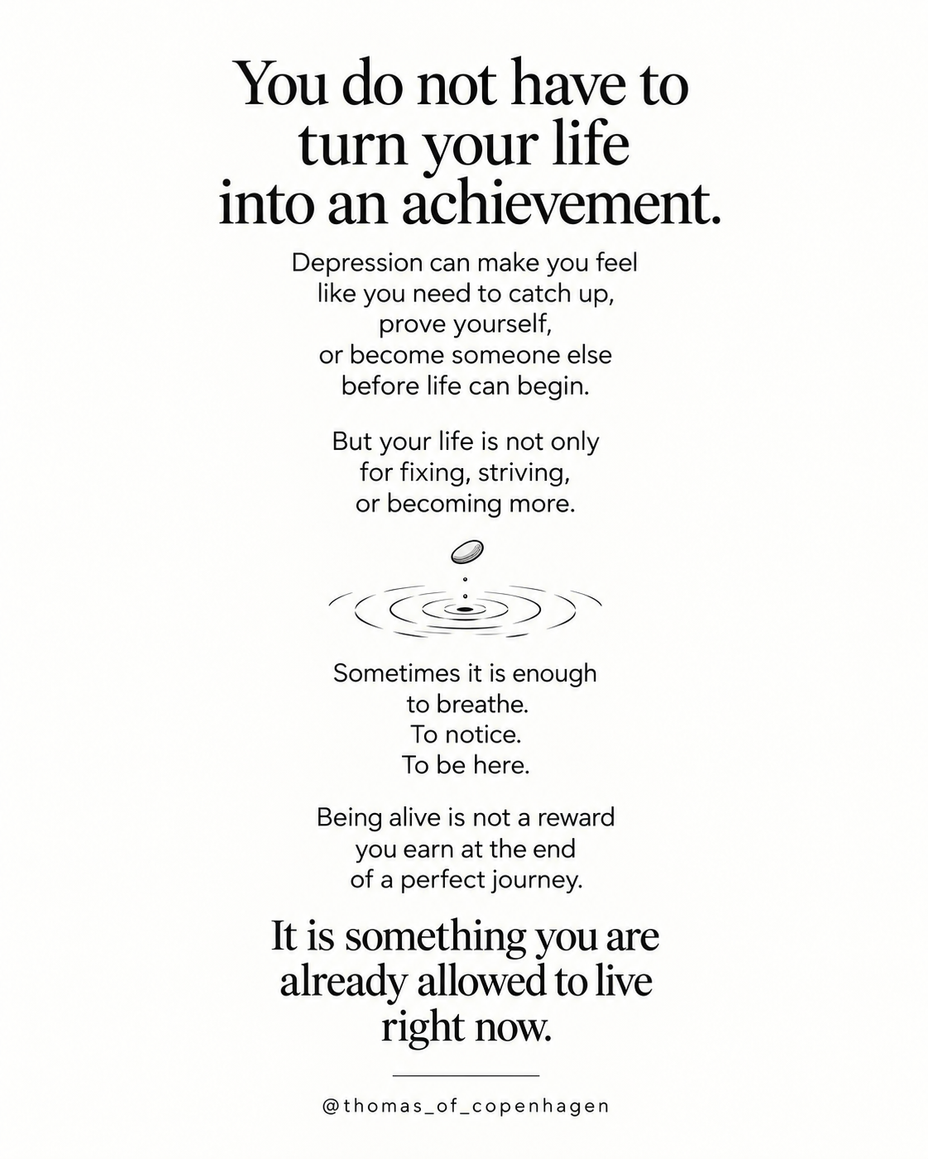
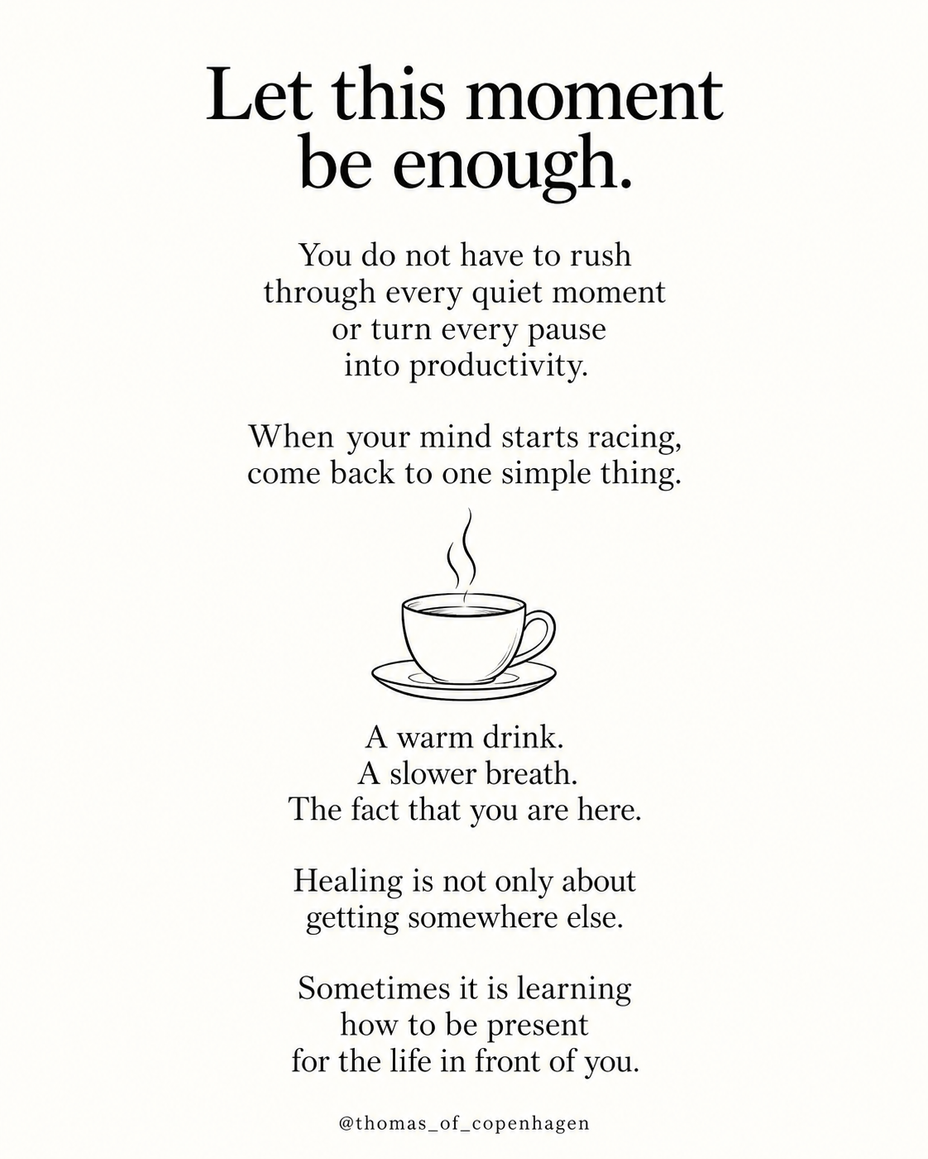
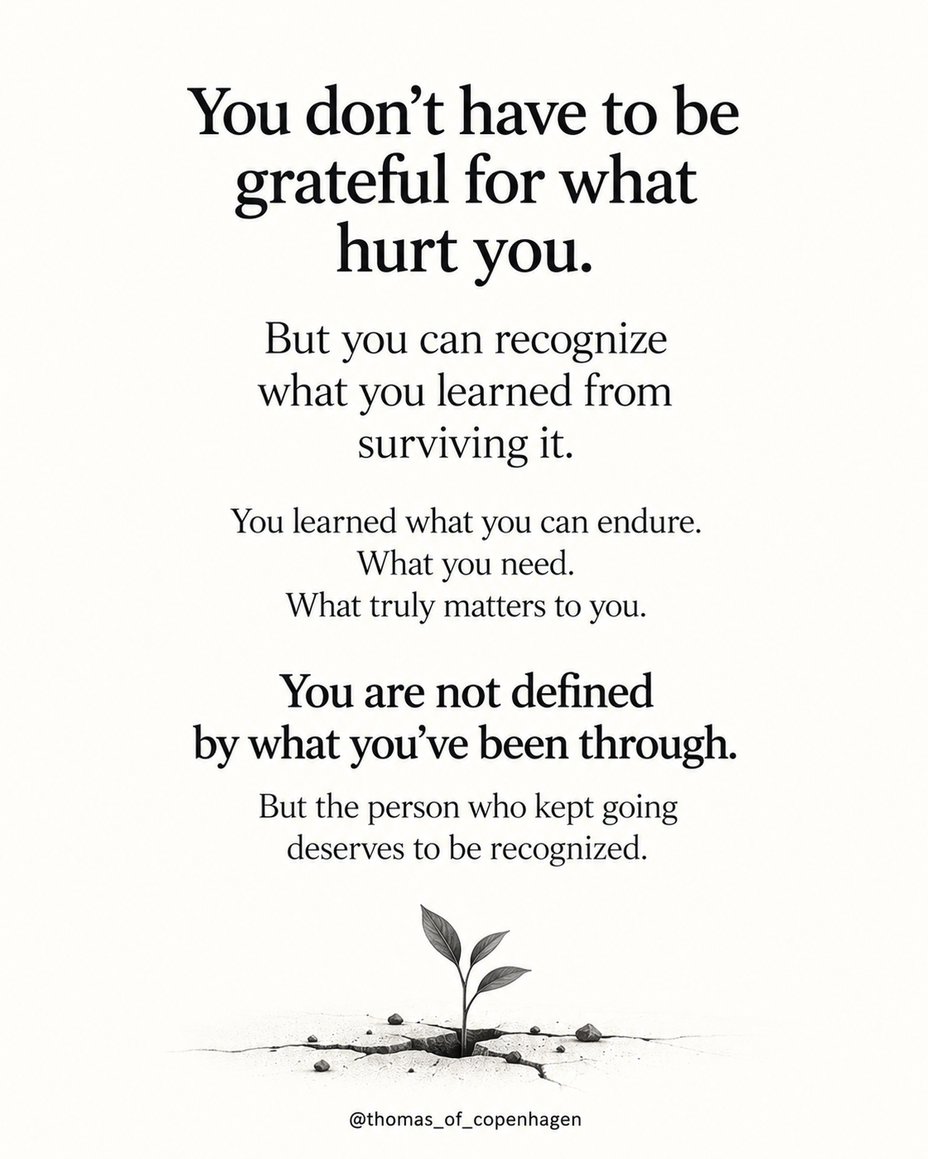
Also, if you're going through a tough time right now, I want you to know that I post daily mental health videos about how to deal with painful thoughts. So if you or anyone you know is struggling and wants help, click on one of the links below or write me if you have any questions you want me to answer:
www.instagram.com/thomas_of_copenhagen
www.tiktok.com/@thomas_of_copenhagen
~ Thanks to all. Thanks for all. ~
#MentalHealth #MentalHealth #Depression #Anxiety #BipolarDisorder #BorderlinePersonalityDisorder #Addiction #dissociativedisorders #ObsessiveCompulsiveDisorder #ADHD #Fibromyalgia #EhlersDanlosSyndrome #PTSD #Cancer #RareDisease #Disability #Autism #Diabetes #EatingDisorders #ChronicIllness #ChronicPain #RheumatoidArthritis #Suicide #MightyTogether
Happy Monday and happy March, Mighty fam! 🎁
A new month is here, so let’s take a moment to check in. What hopes are you carrying into March? Are there any goals you’d like to explore or work toward? What are you looking forward to, or what would you like to do more of this month?
Check in with us below! 🩷
#MightyMinute #CheckInWithMe #ChronicPain #ChronicIllness #Disability #RareDisease #MentalHealth #Anxiety #Autism #Parenting #PTSD #ADHD #BorderlinePersonalityDisorder #BipolarDisorder #ObsessiveCompulsiveDisorder #EatingDisorders #Depression #Fibromyalgia #Lupus #MultipleSclerosis #Migraine #Spoonie
My trauma lead to alcoholism (16 years sober now), toxic relationships, disordered eating, ptsd and many other negative coping mechanisms. It is still a work in progress. Trauma leaves permanent scars. Recovery is possible, but it’s something you have to work on to prevent those scars from opening up again. I wish all of you strength and hope as you seek recovery from trauma! What are some ways trauma has affected your life?
Anxiety
Anxiety is a common human response to perceived threat that only becomes problematic when it is persistent or overwhelming.
Anxiety is a normal, and often adaptive, human experience — the body’s way of mobilizing us for potential threat or challenge. In manageable doses, it can sharpen focus and motivate preparation. Anxiety becomes problematic when that alarm system stays switched on, flooding the body with chronic worry, tension, or avoidance that starts to interfere with daily life. At that point, anxiety shifts from something that helps us respond to life to something that constrains it.
Among Autistic and ADHD people, anxiety is one of the most common mental health conditions. It can arise from a combination of factors: a more sensitive or easily activated nervous system, alongside the cumulative impact of living in a world that frequently misunderstands or invalidates neurodivergent ways of being. In this sense, anxiety isn’t only biological or psychological — it’s also contextual, shaped by the environments a person has to navigate.
Sensory overload can sometimes be mistaken for anxiety, since both may lead to withdrawal, irritability, or shutdown. But they tend to have different roots. Sensory overwhelm arises from external input, while anxiety is more likely to grow out of internal “what if” loops. That same tendency to imagine, anticipate, and analyze is also what fuels creativity and insight. The imaginative, pattern-seeking brain that dreams and innovates can also overanalyze and anticipate. Understanding this duality helps shift the narrative: anxiety is often the flip side of creativity and heightened awareness in a complex world.
ARFID
Avoidant/Restrictive Food Intake Disorder (ARFID) is an eating disorder involving persistent food avoidance or restriction.
Avoidant/Restrictive Food Intake Disorder (ARFID) is an eating disorder in which someone consistently avoids or limits foods. Unlike other eating disorders, ARFID isn’t driven by body image concerns. Instead, it’s often shaped by factors such as sensory sensitivities, low interest in food, or fear of aversive experiences like choking or vomiting.
Clinicians typically describe three main subtypes of ARFID:
Avoidant (sensory-based) → food avoidance linked to texture, taste, smell, or appearance, which is especially common among Autistic people and often misdiagnosed.
Restrictive (low-interest) → limited intake related to low appetite or little interest in eating.
Aversive (fear-based) → avoidance driven by fear of choking, vomiting, or becoming ill.
For many neurodivergent people, especially Autistic people, recognizing ARFID changes how long-standing food struggles are understood. It’s sometimes mistaken for anorexia, and when that happens, people may receive treatments that are misaligned and can cause harm.
AuDHD
AuDHD is a community-created term used by people who are both Autistic and ADHD to describe how these experiences intersect.
AuDHD is a shorthand used to describe people who are both Autistic and ADHD. It isn’t an official diagnostic label, but a community-created term many people use because it captures lived experience more accurately than either diagnosis alone.
Autism and ADHD overlap in important ways — sensory differences, emotional intensity, executive functioning challenges — but they can also pull in different directions. For example, autism drives a need for predictability while ADHD leans toward novelty-seeking, leaving people feeling tugged between structure and spontaneity.
For many, discovering the term AuDHD brings a sense of relief. It offers language for experiences that can otherwise feel confusing or contradictory, and it opens the door to community with others navigating a similar mix of traits. At its core, AuDHD names the particular way these two neurotypes intersect and shape how a person thinks, feels, and moves through the world.
Anxiety
Anxiety is a common human response to perceived threat that only becomes problematic when it is persistent or overwhelming.
Open To Read More
Anxiety is a normal, and often adaptive, human experience — the body’s way of mobilizing us for potential threat or challenge. In manageable doses, it can sharpen focus and motivate preparation. Anxiety becomes problematic when that alarm system stays switched on, flooding the body with chronic worry, tension, or avoidance that starts to interfere with daily life. At that point, anxiety shifts from something that helps us respond to life to something that constrains it.
Among Autistic and ADHD people, anxiety is one of the most common mental health conditions. It can arise from a combination of factors: a more sensitive or easily activated nervous system, alongside the cumulative impact of living in a world that frequently misunderstands or invalidates neurodivergent ways of being. In this sense, anxiety isn’t only biological or psychological — it’s also contextual, shaped by the environments a person has to navigate.
Sensory overload can sometimes be mistaken for anxiety, since both may lead to withdrawal, irritability, or shutdown. But they tend to have different roots. Sensory overwhelm arises from external input, while anxiety is more likely to grow out of internal “what if” loops. That same tendency to imagine, anticipate, and analyze is also what fuels creativity and insight. The imaginative, pattern-seeking brain that dreams and innovates can also overanalyze and anticipate. Understanding this duality helps shift the narrative: anxiety is often the flip side of creativity and heightened awareness in a complex world.
ARFID
Avoidant/Restrictive Food Intake Disorder (ARFID) is an eating disorder involving persistent food avoidance or restriction.
Avoidant/Restrictive Food Intake Disorder (ARFID) is an eating disorder in which someone consistently avoids or limits foods. Unlike other eating disorders, ARFID isn’t driven by body image concerns. Instead, it’s often shaped by factors such as sensory sensitivities, low interest in food, or fear of aversive experiences like choking or vomiting.
Clinicians typically describe three main subtypes of ARFID:
Avoidant (sensory-based) → food avoidance linked to texture, taste, smell, or appearance, which is especially common among Autistic people and often misdiagnosed.
Restrictive (low-interest) → limited intake related to low appetite or little interest in eating.
Aversive (fear-based) → avoidance driven by fear of choking, vomiting, or becoming ill.
For many neurodivergent people, especially Autistic people, recognizing ARFID changes how long-standing food struggles are understood. It’s sometimes mistaken for anorexia, and when that happens, people may receive treatments that are misaligned and can cause harm.
AuDHD
AuDHD is a community-created term used by people who are both Autistic and ADHD to describe how these experiences intersect.
AuDHD is a shorthand used to describe people who are both Autistic and ADHD. It isn’t an official diagnostic label, but a community-created term many people use because it captures lived experience more accurately than either diagnosis alone.
Autism and ADHD overlap in important ways — sensory differences, emotional intensity, executive functioning challenges — but they can also pull in different directions. For example, autism drives a need for predictability while ADHD leans toward novelty-seeking, leaving people feeling tugged between structure and spontaneity.
For many, discovering the term AuDHD brings a sense of relief. It offers language for experiences that can otherwise feel confusing or contradictory, and it opens the door to community with others navigating a similar mix of traits. At its core, AuDHD names the particular way these two neurotypes intersect and shape how a person thinks, feels, and moves through the world.
Happy Friday, Mighties! 😊
Exploring, owning, and expressing confidence can be a lifelong practice. It often takes self-awareness and compassion, especially as we learn how to see and understand ourselves more clearly. There may be moments when our confidence wanes, feels dependent on external factors, or grows stronger depending on where we are or what we’re doing. In those moments of clarity, our confidence can feel grounded and energizing, motivating us to better understand and trust ourselves.
💌 Gentle reminder: If confidence feels like a challenging topic for you, that’s OK — we get it. Our health, for example, can absolutely impact our confidence levels. Please know that you deserve those moments when your confidence peeks out or even thrives. We’re here with you wherever you are on that journey. We’re cheering you on and holding space for you.
#MightyMinute #CheckInWithMe #ChronicPain #ChronicIllness #Disability #RareDisease #MentalHealth #Anxiety #Autism #Parenting #PTSD #ADHD #BorderlinePersonalityDisorder #BipolarDisorder #ObsessiveCompulsiveDisorder #EatingDisorders #Depression #Fibromyalgia #Lupus #MultipleSclerosis #Migraine #Spoonie