I have lingering thoughts on the topic of suicide, especially among young people, as someone who has experienced both the grief of losing a close loved one to suicide at 19 and having gone through that same dark mindset myself.
I can't stand it when, after someone dies by suicide, people respond with, "Why didn't they say anything?" or "There were no red flags." It's such a blanket, uninformed statement. I don't necessarily blame people for saying it, because I don't believe most people can truly understand what goes through someone's mind when they're in that state.
I imagine many people picture someone who is suicidal as being visibly distraught, manic, or lying in bed curled up in the fetal position. The truth is, they can be talking perfectly fine, going through their normal day-to-day life, and still feel like they want to die.
"Why didn't they say anything?" Why would they? Then what? If I already have low self-esteem, do you think I'm going to tell someone I feel like dying and expect them to know how to help me? Imagine someone came to you and said that. What would you do? It's easy to ask those questions after the fact, but the reality is much more complicated. Nobody can change someone else's outlook on life overnight.
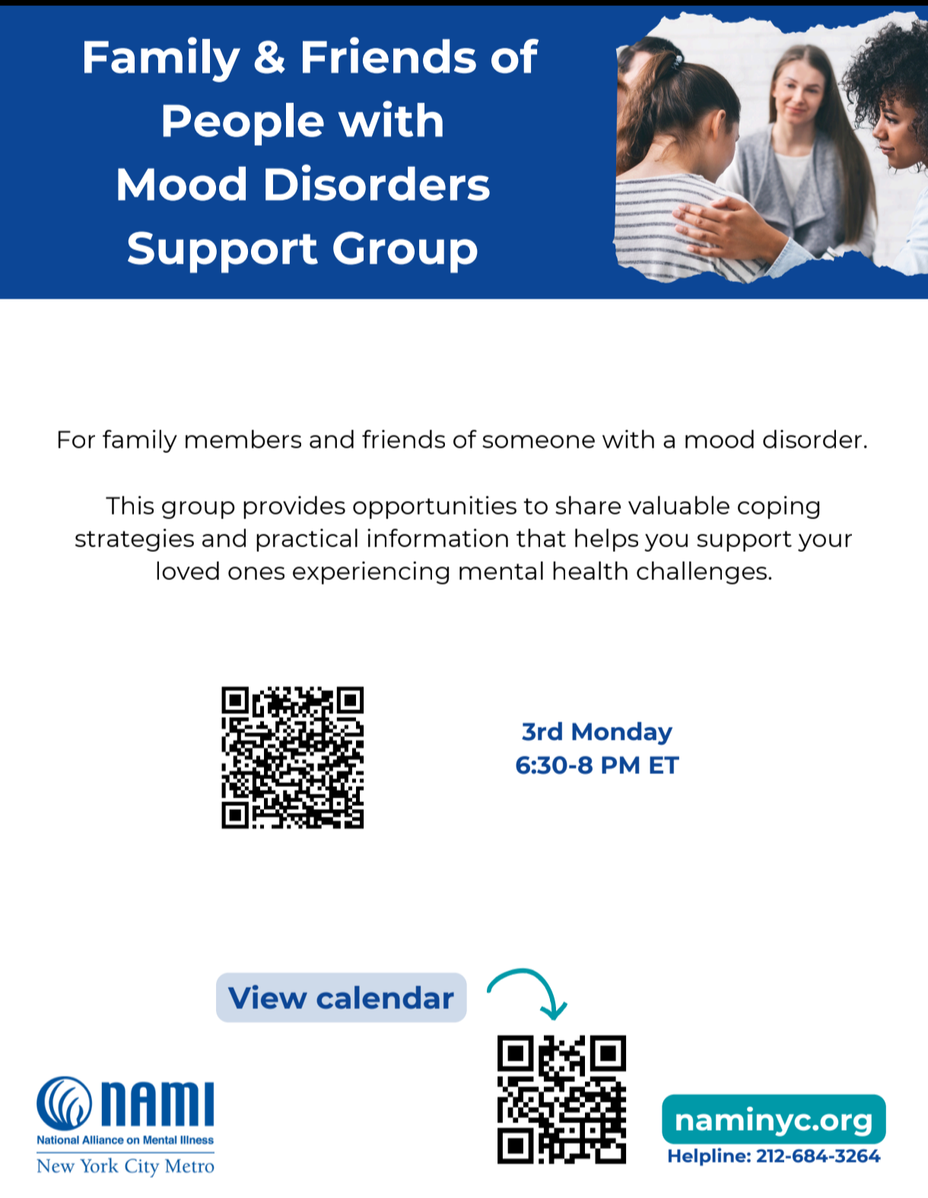
Suicide hotlines and mental health organizations do important work, but unless you're already in a mindset where you're willing and able to look for help, it can be incredibly difficult. When I was in that place, I didn't always have the energy to research resources or reach out. Personally, I never saw a mental health message that truly motivated me to ask for help in those moments. In 2026, I know saying "call if you need help" isn't a complete solution when someone feels like they have reached their breaking point. I don't have the perfect answer. Medication can be incredibly helpful, and it can make a major difference, but for some people it isn't enough to completely change how they're feeling.
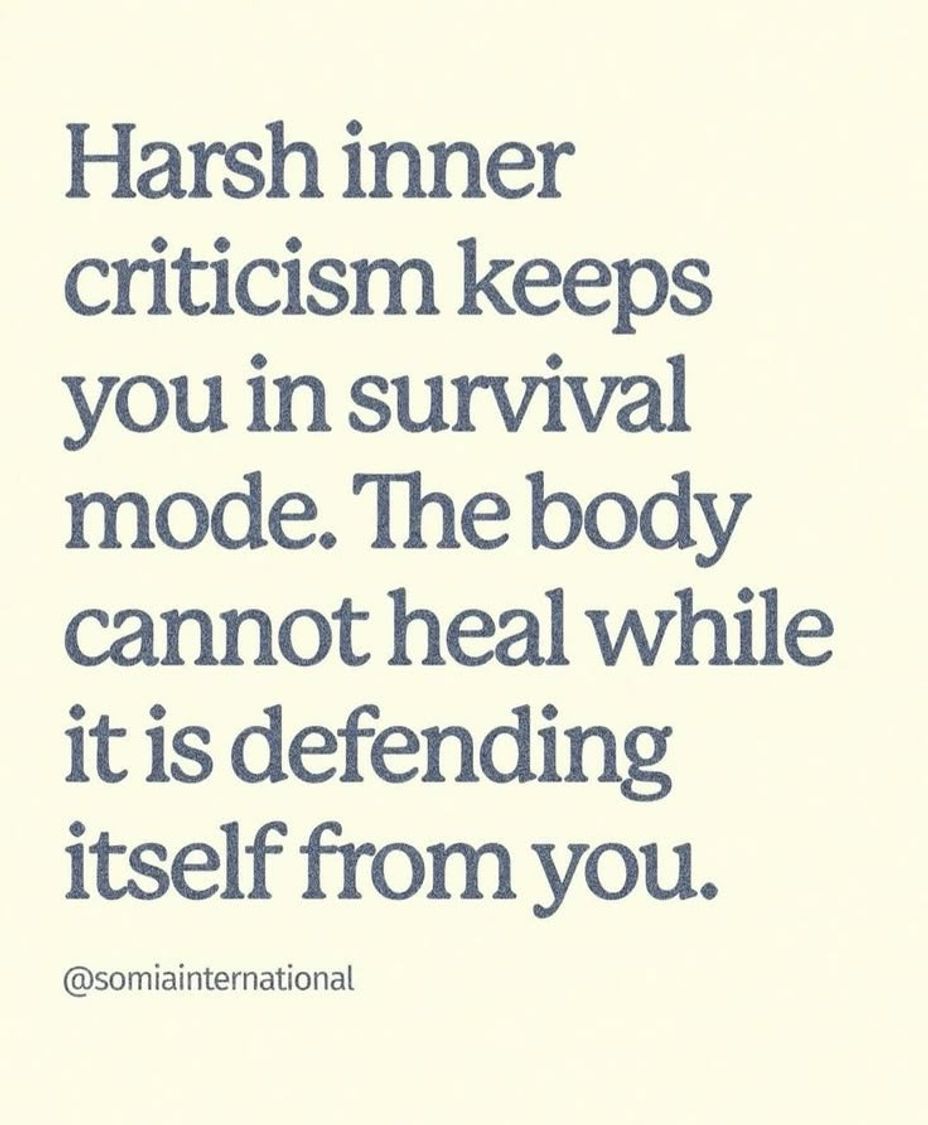
People often say suicide is selfish. I think people who say that should be grateful they've never experienced that mindset. In my experience, many people who struggle with suicidal thoughts don't want to hurt anyone. A lot of people stay because they care about the people around them and don't want to cause pain.
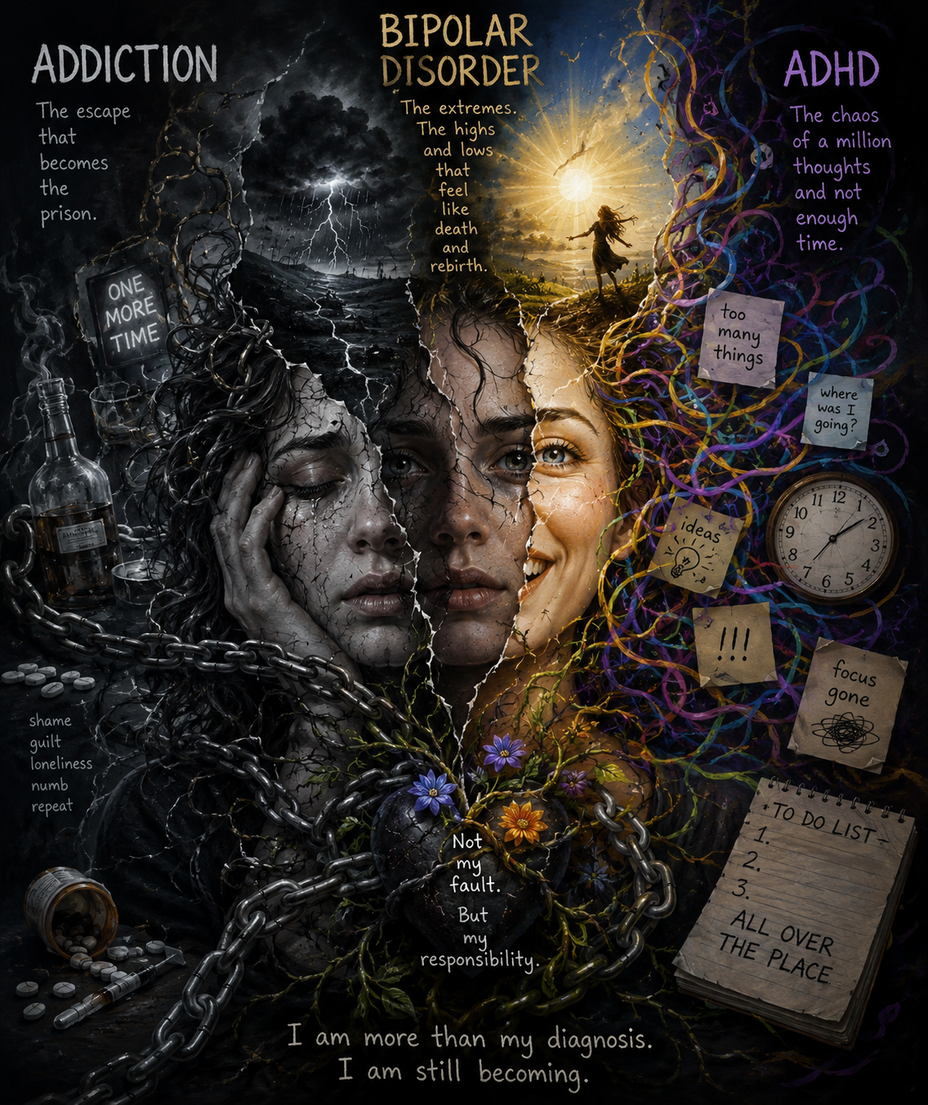
I'm an insecure person. I don't like drawing attention to myself. Yet many of the "red flags" people say to watch for were things I displayed myself. I liked posts about depression. I made jokes about the topic. I expressed how I felt. Did I expect anyone to magically fix me? No. But it frustrates me when, after someone dies, people say they should have reached out or that there were no warning signs. Sometimes the signs are there—they just don't look the way people expect them to.
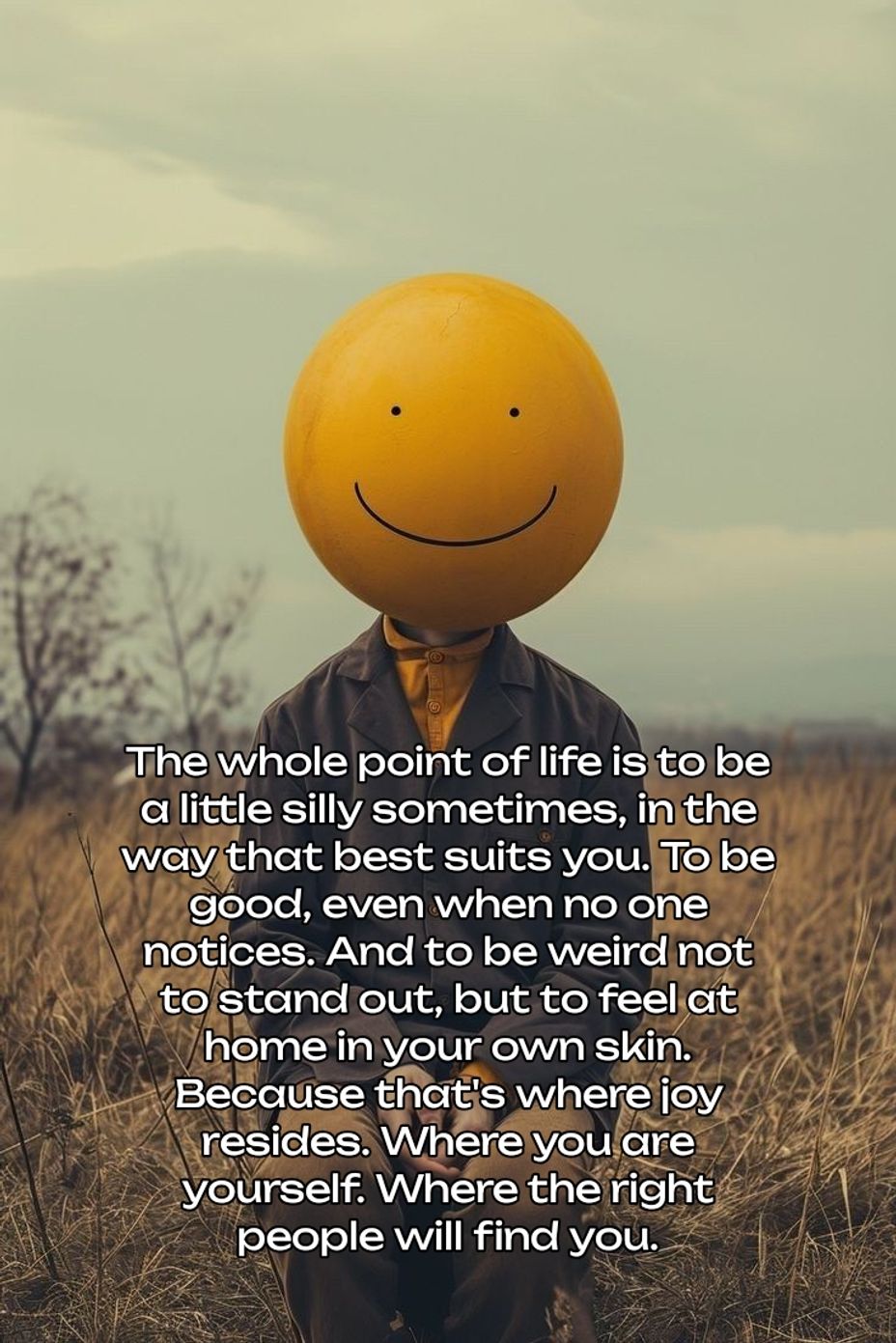
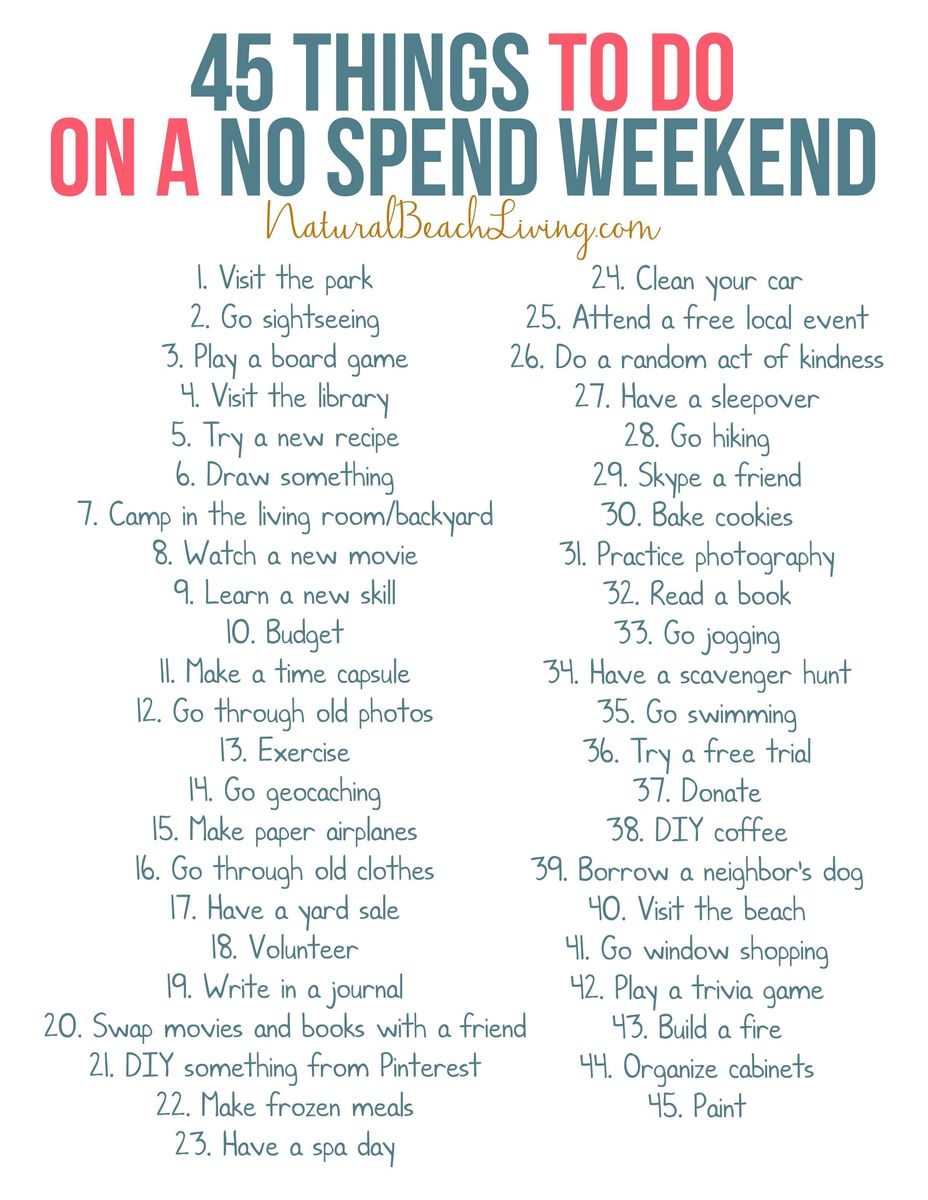
Each day, I still struggle with this in my own way. What helps me is finding purpose in small things: doing kind things for other people, setting small goals for myself, and surrounding myself with messages that motivate me. I started subscribing to motivational content and, as much as possible, I cut negativity out of my life.
Social media can be difficult because it can amplify negativity. If someone chooses to use it, I believe it can help to intentionally fill your feed with positive influences and remove things that bring you down. For me, that meant stepping away from things that constantly affected my mental health. I used to be very interested in politics and followed it closely, but I realized that cutting it out was healthier for me.
Everyone's journey is different. Sometimes distraction alone isn't enough, and sometimes what someone is dealing with feels much bigger than that. But I believe small choices can slowly change your direction.
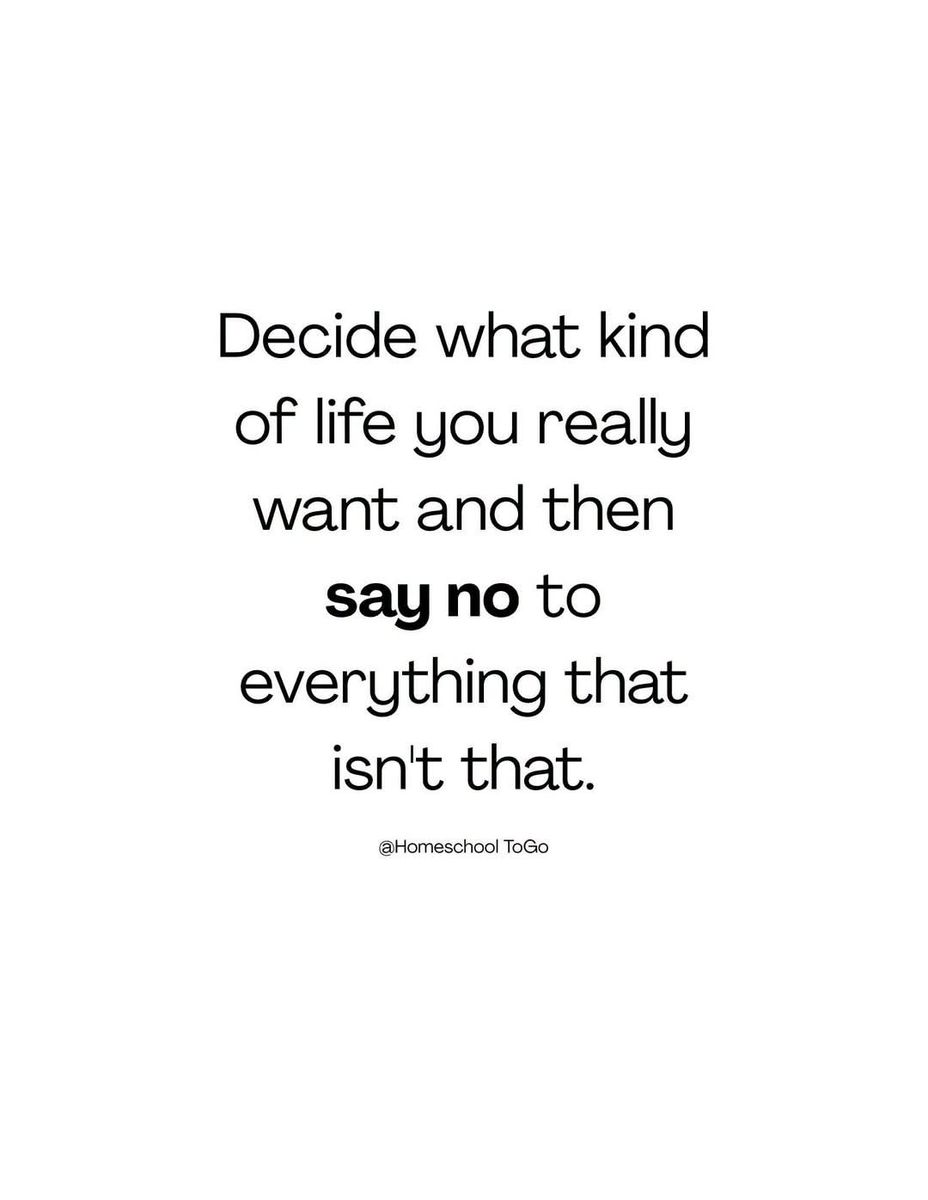
At the end of the day, my point is this: many people who struggle with suicidal thoughts are not always the people you expect. You may never know what someone is carrying. Loved ones can make your day better, make you feel valued, and help lift you up—but ultimately, your life is still yours to build. You are in charge of the choices you make and the direction you move in.


 Latest


 36 reactions •
9 comments
36 reactions •
9 comments