Latest
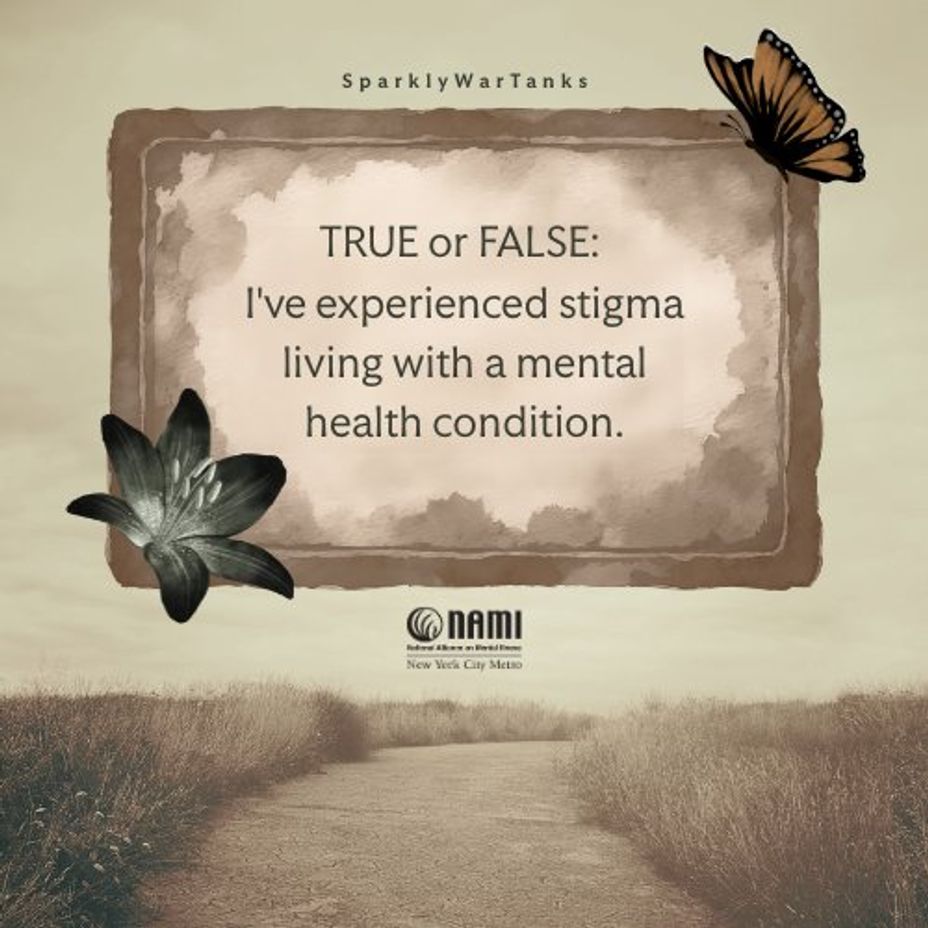
TRUE or FALSE: I've experienced stigma living with a mental health condition.
Stigma is the negative or unfair beliefs and associations a society or group attaches to something. It can grow out of a lack of knowledge or awareness, and it can show up as discrimination, labeling, or unfair treatment.
Awareness of what it's like to live with a mental health condition has grown, but many people still feel the effects of stigma. Being Mighty and advocating for mental health is how we crush stigma for good! Let's keep speaking up together! 💪🗣️
I've been pretty open about my mental health for years, but before my diagnosis, I was often told to "get it together" because my mood (what I now recognize as symptoms) was affecting other people, or that I didn't have depression and shouldn't "speak that on myself" because it would be a bad thing. Internalized stigma also kept me from realizing I needed help in the first place. Now I share my story in my community often, because I want others to know it's OK to ask for help when they need to.
Have you experienced stigma? Answer "true" or "false" below! If you're up to it, share how stigma has affected you and how you've overcome.
You are definitely not alone!
#BipolarDepression #BipolarDisorder #PTSD #ComplexPosttraumaticStressDisorder #Schizophrenia #ADHD #Parenting #ChronicIllness #SchizoaffectiveDisorder #BorderlinePersonalityDisorder #Anxiety #ObsessiveCompulsiveDisorder #Depression #MentalHealth #Selfcare #EatingDisorders #CheckInWithMe


 24 reactions •
14 comments
24 reactions •
14 comments