Bone Cancers

Create a new post for topic
Join the Conversation on
Bone Cancers
861 people
0 stories
157 posts
About Bone Cancers Show topic details
Explore Our Newsletters
What's New in Bone Cancers
All
Stories
Posts
Videos
Latest
Trending
Post

How Genetics Influence Cancer Risk and Prevention

By Linda Athanasiadou

Genetics plays a fundamental role in the development and progression of cancer. As someone who has faced the challenges of cancer treatment, I, Linda Athanasiadou, have come to some thoughts on how our genetic makeup can significantly influence both the risk of developing cancer and the effectiveness of preventive measures. In this article, I will explore how genetics impacts cancer risk, the role of inherited mutations, and how understanding these genetic factors can inform prevention and treatment strategies. I am not a doctor, it’s just my personal research.

The Role of Genetics in Cancer

Cancer is caused by changes (mutations) in the DNA that lead to uncontrolled cell growth. While many of these mutations occur as a result of environmental factors, such as smoking, radiation, or diet, some mutations are inherited from one generation to the next. Inherited genetic mutations can significantly increase the risk of certain types of cancer, and understanding these genetic factors can be crucial for prevention, early detection, and treatment.

Genetic mutations that increase cancer risk are often classified into two categories: those that are inherited (germline mutations) and those that occur during a person’s lifetime (somatic mutations). Germline mutations are passed down from parent to child and are present in every cell of the body, while somatic mutations are acquired during a person’s lifetime and affect only specific cells.

Inherited Genetic Mutations and Cancer Risk

Some genetic mutations are directly linked to an increased risk of developing certain cancers. One of the most well-known examples is mutations in the BRCA1 and BRCA2 genes, which significantly increase the risk of breast and ovarian cancer. Women who inherit a BRCA mutation have a much higher lifetime risk of developing breast cancer, with estimates ranging from 45% to 70%, compared to about 12% in the general population. Additionally, men with BRCA mutations are also at increased risk for breast cancer and other cancers, such as prostate cancer.

In addition to BRCA1 and BRCA2, there are other inherited genetic mutations associated with increased cancer risk. For example, mutations in the TP53 gene, which is responsible for producing a protein that helps prevent the growth of tumours, can lead to a rare inherited disorder called Li-Fraumeni syndrome. This condition significantly increases the risk of developing several types of cancer, including breast cancer, bone cancer, and brain tumours, often at a young age.

Lynch syndrome, caused by mutations in genes involved in DNA repair, is another genetic condition that increases the risk of colorectal cancer and other cancers, such as endometrial and ovarian cancer. Individuals with Lynch syndrome have a much higher lifetime risk of developing these cancers compared to the general population.

Genetic Testing and Risk Assessment

Genetic testing has become an invaluable tool in assessing cancer risk. By testing for specific inherited mutations, healthcare providers can identify individuals who may be at higher risk of developing certain cancers. This information allows for targeted preventive measures, such as increased surveillance, lifestyle modifications, or even preventative treatments.

For instance, women who test positive for BRCA mutations may choose to undergo more frequent breast cancer screenings, including mammograms and MRI scans, starting at an earlier age. In some cases, individuals with a high genetic risk may opt for prophylactic surgeries, such as a mastectomy or oophorectomy (removal of the ovaries), to reduce the risk of cancer.

Genetic testing can also provide valuable information for family members, as they may share the same genetic mutations and be at increased risk for developing cancer. Understanding the genetic risk within families allows for early intervention and more effective prevention strategies.

The Role of Somatic Mutations in Cancer

While inherited genetic mutations contribute to cancer risk, most cancers are caused by somatic mutations, which occur throughout a person’s lifetime. These mutations are typically the result of environmental factors, such as exposure to carcinogens, UV radiation, or the natural aging process. Somatic mutations can affect specific genes that regulate cell growth, apoptosis (programmed cell death), and DNA repair.

In fact, many cancers involve mutations in genes that are responsible for controlling cell division and tumour suppression. For example, mutations in the TP53 gene, often referred to as the “guardian of the genome,” are common in many types of cancer, including lung, colon, and breast cancer. The loss of this tumour-suppressor gene can allow cancer cells to proliferate uncontrollably.

Somatic mutations can also be responsible for the development of resistance to cancer treatments. Over time, cancer cells can acquire mutations that enable them to evade the effects of chemotherapy or immunotherapy. This is why ongoing research into cancer genetics and the development of targeted therapies is so important in improving treatment outcomes.

Preventing Cancer Through Genetic Understanding

Understanding the genetic basis of cancer risk provides opportunities for prevention. While we cannot change our genetic makeup, there are several strategies available to reduce cancer risk, particularly for individuals who are aware of their genetic predisposition.

Lifestyle Modifications

For those with a family history or genetic predisposition to certain types of cancer, adopting a healthy lifestyle can reduce the risk of developing cancer. Maintaining a healthy weight, exercising regularly, avoiding tobacco use, and limiting alcohol consumption are all key strategies for cancer prevention. A balanced diet rich in fruits, vegetables, and whole grains, as well as minimizing exposure to harmful chemicals and toxins, can further reduce cancer risk.

Targeted Preventive Measures

In addition to lifestyle changes, individuals at higher genetic risk may benefit from targeted preventive measures. For example, individuals with a BRCA mutation may opt for preventive surgeries, as mentioned earlier, or may choose to take medications like tamoxifen or raloxifene, which have been shown to reduce the risk of breast cancer in women at high genetic risk.

For those at risk of colorectal cancer due to inherited conditions like Lynch syndrome, regular colonoscopies starting at an earlier age can help detect precancerous polyps or early-stage cancer, allowing for early intervention.

Gene Therapy and Targeted Treatments

In the future, gene therapy may offer more direct ways to address genetic risk. Scientists are researching ways to repair or replace faulty genes that contribute to cancer risk. While gene therapy is still in its early stages, breakthroughs in this area could revolutionise cancer prevention and treatment, allowing for personalised approaches tailored to an individual’s unique genetic makeup.

Conclusion: The Importance of Genetic Awareness

Genetics plays a crucial role in both the development and prevention of cancer. Understanding the inherited genetic mutations that increase cancer risk can lead to early detection, more effective prevention strategies, and tailored treatments. Genetic testing and counselling can provide invaluable information for individuals and families, empowering them to make informed decisions about their health.

If you have a family history of cancer or are concerned about your genetic risk, it’s essential to speak with a healthcare provider or genetic counsellor. By understanding your genetic predisposition, you can take proactive steps to reduce your risk and improve your overall health.

Most common user reactions 2 reactions
Post

I’m new here!

Hi, my name is Onalim. I'm here because I have been diagnosed with a rare bone cancer, polycythemia vera and am looking for support.

#MightyTogether

Most common user reactionsMost common user reactionsMost common user reactions 9 reactions 2 comments
Post
See full photo

Profoundness of it all life, death, and all the in-betweens

I have so many feelings today. My life is equal parts peace and chaos right now.

I am currently one of five caretakers to a dying elder. She’s my friend, adopted mom in Ohio, since my own is in Texas. Technically, she’s my daughter in laws grandmother but my heart doesn’t care or know the difference. She’s family, and I love her.

She was diagnosed with cancer in August of last year. She started hospice last week. Small cell lung cancer which has metastasized to her brain, bones, etc. We thought we were going to lose her last week after she contracted a stomach bug, but she made her way back.

I don’t know if this is her “rally” or if she’s just bouncing back for a rally later down the line. All I know is we don’t have much more time. I just want her to make it to her birthday weekend in ten days, so she can see her sister who’s flying in and be with all her family in the nice weather. That’s my final wish for her.

I’ve never actively been involved in a human’s dying process, but as a widow, I am a close personal friend of death and grief. I’ve had so much practice it’s almost funny. Almost.

I’ve been reading a book by Suzanne O’Brien (former oncology, hospice nurse turned author and creator of Doulagivers Institute) called The Good Death. Hoping it will help support me and help me navigate uncharted territory while offering support to both her and her family. It’s been helpful and eye opening. Practical and comforting.

In the meantime, a friend of mine posted about watching a show (based on a true story) called “Dying for Sex” on Hulu. I actually had it on my playlist to watch. When she posed the questions about sharing what we thought after watching it, that prompted me to bump it up on my watch list.

Last night after a twelve-hour sitting, (while working my regular day job, remotely) I was struggling with winding down. I decided it was a good time to watch the show. Of course I binged it until the wee hours, because it’s that good. Seriously.

This is what I wrote her as my “feedback” about the show.

“I don't know if I even have proper adjectives available to explain the profoundness of this show. The million taboo and raging topics it slashed through or the generations of emotions I am still going through but, Wow! As I am in the middle of taking care of my “Ohio” momma & friend who is currently in hospice with bone cancer, just Wow! I'm healing and being broken and angry and sad and joyful and contracted and expanded all at once. It wasn't a show. It was my life....so many of our lives... crashing together against the stars.” - I will never be the same.

Watch it., so you'll never be the same either. #Cancer #Caregiver #Death #Therapy #Grief

Most common user reactions 4 reactions 5 comments
Post

I'm new here!

Hi, my name is Tahoetexi. I've been diagnosed with possible lymphoma. All of my test results haven't been finished. I'm trying to keep a positive attitude and believe I don't have lymphoma. My biological mother died of bone cancer when she was 80. That was 10 years ago. I'm now 70, soon to be 71. I don't feel bad, just full of anxiety and depression over my diagnosis. I'd like to hear from others and their experiences in hopes to get a more positive attitude. I've been receiving so many ad's regarding cancer treatments. I'm really confused. I'm definitely stressed and a worrier!! Thank you !!

#MightyTogether #Anxiety #Depression #Grief #Cancer

Most common user reactionsMost common user reactions 9 reactions 3 comments
Post

Need some love for my family

I could really use prayers, good vibes, etc for my family. I have an uncle and cousin with prostate cancer, an aunt recovering from bladder cancer while her husband is in the beginning stages of dimensia, another aunt with heart problems and her oldest daughter has breast and multiple locations of bone cancer and possibly liver and gall bladder too. This cousin has 2 kids, one just graduated HS and the other is, i think. A senior. Not to mention several people in the family with autoimmune diseases as well. Every bit of love given would be greatly appreciated. #Cancers

Most common user reactions 4 reactions
Post
See full photo

Check out our new ER+/HER2- breast cancer condition guide!

Are you or a loved one diagnosed with ER+/HER2- metastatic breast cancer and looking for a resource with information that combines expertise from both medical experts and patients? We got you!

Here is what you will find in our new condition guide:

✅ What Is ER+/HER2- Metastatic Breast Cancer?

✅ Managing ER+/HER2- Breast Cancer

✅ Common Breast Cancer Misconceptions

Mental Health and Metastatic Breast Cancer

✅ How To Talk To Others About Metastatic Breast Cancer

✅ How To Support Someone Living With Breast Cancer

Take a look at (and bookmark!) the condition guide here:

The Mighty's ER-positive/HER2-negative Metastatic ...

#BreastCancer #Cancer #BoneCancers #OvarianCancer #LungCancer #ThyroidCancer #lymphoma #ChildhoodCancers #MentalHealth #ChronicIllness #ChronicPain #Caregiving #Grief

The Mighty's ER-positive/HER2-negative Metastatic Breast Cancer Condition Guide

Post

I'm new here!

Hi, my name is YangLiu. I'm here because I was diagnosed with Ewing sarcoma recently, I'm here looking for friendships and emotion support

#MightyTogether #BoneCancer

Most common user reactionsMost common user reactions 4 reactions 3 comments
Post

I'm new here!

Hi, my name is YangLiu. I'm here because I was diagnosed with Ewing sarcoma recently, I'm here looking for friendships and emotion support

#MightyTogether #BoneCancer

Most common user reactionsMost common user reactions 4 reactions 3 comments
Post
See full photo

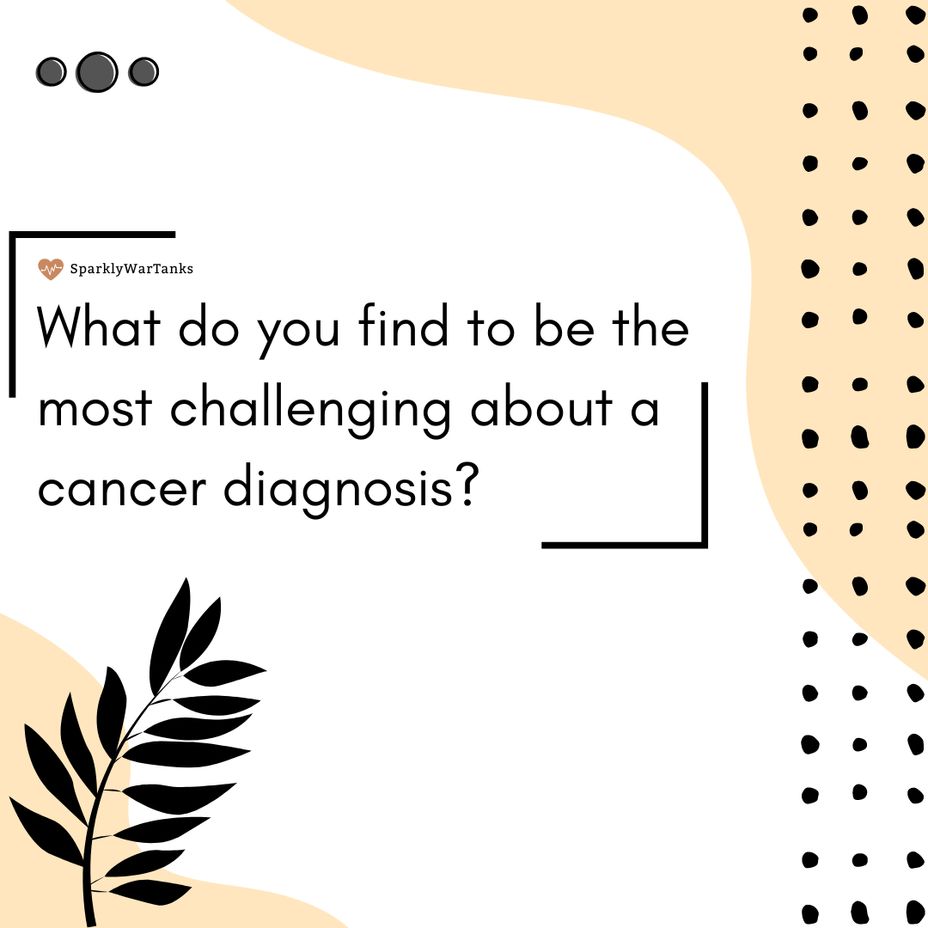
What do you find to be the most challenging about a cancer diagnosis?

Getting a cancer diagnosis is many things — heartbreak, anger, pockets of simplicity, grief, even gratitude. But there are parts of it that straight up suck.

What’s been the #1 challenge for you or a loved one?

#Cancer #BoneCancers #BreastCancer #OvarianCancer #LungCancer #ThyroidCancer #lymphoma #ChildhoodCancers #MentalHealth #ChronicIllness #ChronicPain #Caregiving #Grief

Most common user reactions 8 reactions 9 comments
Post

Self-Loathing and Body Shaming With a Disability

I am struggling. I am struggling with my body image. Self-loathing is taking over my life right now. I feel this is a subject that needs to be discussed.

I have a rare bone disease called McCune Albright syndrome. I had an eventful childhood in and out of hospitals for years because it was more extreme when I was younger. Broken bones all the time. It’s very rare but it does affect people differently. It has affected my bones from the neck down. Some can’t walk or have facial deformities. I have had my own adversities in regard to deformities in my lower extremities. I consider myself lucky or unlucky. I thought that I had made peace with my body and embraced my differences, but sadly, I’m still struggling.

It’s not OK to body shame anyone! I have felt body shamed by people who I thought cared about me and know me well. It’s extremely painful for me to discuss these issues because it’s causing me to hate my body. I hate my body so much that I can’t even look at myself naked. The worst part is, I feel that my body is unattractive to men. My fear is that I will never find a man who will love and accept my body for what it is and how it looks.

Having a physical disability has been difficult to deal with, especially when those close to me have body-shamed me. I would like to shed light on this matter because I don’t think that anyone should be criticized for having imperfections.

#RareDisease

#BoneCancers

Most common user reactions 1 reaction 3 comments