Cardiovascular Disease

Create a new post for topic
Join the Conversation on
Cardiovascular Disease
2.5K people
0 stories
339 posts
About Cardiovascular Disease Show topic details
Explore Our Newsletters
What's New in Cardiovascular Disease
All
Stories
Posts
Videos
Latest
Trending
Post
See full photo

Why You Can’t Get Better by Yourself: The Myth of Beating Addiction Alone BigmommaJ

Image found on Google
“I can do this on my own.”

For many people struggling with addiction, those words feel empowering. They reflect determination, independence, and resilience. But addiction is one of the few battles where trying to fight alone often becomes part of the problem.

Addiction thrives in secrecy, isolation, and shame. Recovery thrives in connection, accountability, and support.

The truth is that most people do not recover because they are strong enough to do it alone. They recover because they become strong enough to ask for help.

Addiction Changes More Than Behaviour

Addiction is not simply a bad habit or a lack of willpower. Research shows that prolonged substance use affects areas of the brain involved in reward, motivation, memory, impulse control, and decision-making (Volkow et al., 2016).

As substances repeatedly activate the brain’s reward system, the brain begins to prioritize obtaining and using the substance over other important aspects of life, including relationships, health, work, and personal values. This helps explain why many individuals continue using despite severe consequences.

According to the ccsa.ca⁠, substance use disorders are complex health conditions influenced by biological, psychological, and social factors.

If addiction were simply a matter of wanting to quit badly enough, relapse would not be so common and treatment would not be necessary.

Addiction Distorts Thinking

One of the most difficult realities of addiction is that it affects the very tool needed to recognize the problem: the mind.

Addiction often creates distorted beliefs such as:

*”I can stop whenever I want.”

*”I’m not as bad as other people.”

*”Nobody can help me.”

*”One more time won’t hurt.”

*”I don’t need support.”

These thoughts are not necessarily character flaws; they are often symptoms of a condition that impacts judgment and insight (American Psychiatric Association, 2022).

Trying to recover alone while addiction continues influencing thoughts and decision-making can be like trying to navigate a maze while blindfolded.

Recovery Happens in Relationships

Humans are social beings. Connection is not a luxury—it is a biological need.
Research consistently demonstrates that social support is one of the strongest predictors of successful recovery outcomes (Kelly et al., 2017).

Individuals who have supportive relationships and participate in recovery communities tend to experience higher rates of sustained sobriety than those attempting recovery alone.

Support can come from:

*Family members

*Friends

*Peer support groups

*Sponsors

*Therapists

*Addiction counselors

*Treatment programs

*Recovery communities

The opposite of addiction is not simply sobriety.

Many experts argue that the opposite of addiction is connection.

Trauma Cannot Heal in Isolation

For many individuals, addiction is not the primary problem—it is an attempt to manage deeper pain.

Research has repeatedly linked childhood adversity, abuse, neglect, violence, and other traumatic experiences with increased risk of substance use disorders (Felitti et al., 1998).

Substances often become a way to numb emotional pain, regulate overwhelming feelings, or escape traumatic memories.

While addiction may develop in isolation, trauma recovery frequently occurs within safe and supportive relationships. Trust, emotional regulation, vulnerability, and healthy coping skills are often learned through connection with others.

Healing requires more than removing the substance; it requires addressing the pain underneath it.

The Shame Cycle

Perhaps the greatest barrier to seeking help is shame.

Shame tells people:

“If people knew the truth about me, they would reject me.”

As a result, many individuals withdraw from others and attempt to manage addiction privately.

Unfortunately, isolation tends to strengthen both addiction and shame.
Research from camh.ca⁠, highlights that stigma remains one of the most significant barriers preventing individuals from accessing treatment and support.

The more people hide, the more alone they feel.

The more alone they feel, the more they may turn to substances.

The cycle continues.

Connection interrupts that cycle.

Independence Is Not Recovery

Society often praises self-reliance.

We admire people who overcome challenges on their own. We celebrate independence and toughness.

But addiction is not a challenge that rewards isolation.

No one expects a person with a broken bone to heal through determination alone. No one expects someone experiencing heart disease to simply “try harder.”

Addiction deserves the same understanding.

Seeking treatment, attending meetings, participating in counseling, or asking for support is not weakness.

It is evidence of strength.

Rising Above the Norm

The norm says:

Hide your struggles.

Keep your pain private.

Figure it out yourself.

Don’t let anyone see you struggling.

At Rise Above Your Norm, we challenge that thinking.

Real strength is not carrying every burden alone.

Real strength is recognizing when support is needed and having the courage to reach for it.

Recovery begins when isolation ends.
Reflection

Many people spend years waiting until they are “better” before asking for help.
They believe they must first prove they can stop using, get their life together, or become worthy of support.

Addiction does not work that way.
Support is not the reward for recovery.
Support is often the pathway to recovery.

Every day, individuals struggling with addiction convince themselves they can handle it alone. Some eventually discover that they cannot—and that realization often becomes the turning point that saves their lives.
The goal is not to prove strength through isolation.
The goal is to build strength through connection.

Call to Action

If addiction has convinced you that asking for help is a sign of weakness, challenge that belief today.

*Reach out to one trusted person

*Attend one recovery meeting

*Call one counselor

*Send one text

*Take one step

You do not have to know how the entire journey, it will unfold.

You only need enough courage to take the next step—and enough humility to recognize that you do not have to do it alone.

BigmommaJ
#AddictionRecovery #MentalHealth

Most common user reactions 2 reactions 3 comments
Post
See full photo

What bag, purse, or backpack brands work well for your chronic pain?

Chronic pain can affect many areas of the body—including the back, shoulders, and arms—so even carrying everyday essentials like your keys, phone, and wallet can add extra strain.

What bag, purse, or backpack brand has worked well for you? What do you appreciate most about it, and why does it feel comfortable to carry?

⭐ Your answer may be used to update a Mighty article! ⭐

#ChronicPain #ChronicIllness #MentalHealth #Disability #Caregiving #RareDisease #Migraine #Stroke #CardiovascularDisease #AutonomicDysfunction #PosturalOrthostaticTachycardiaSyndrome #Spoonie #Lupus #Endometriosis #Cancer #Anxiety #PTSD #CheckInWithMe

Most common user reactionsMost common user reactions 18 reactions 5 comments
Post

I joke about this but really… #ChronicIllness #MentalHealth

I want to post something that’s light compared to the last one, and just to perhaps have some fun on this kinda internal joke I have. I say “I won the gene lottery” for the worst genes!
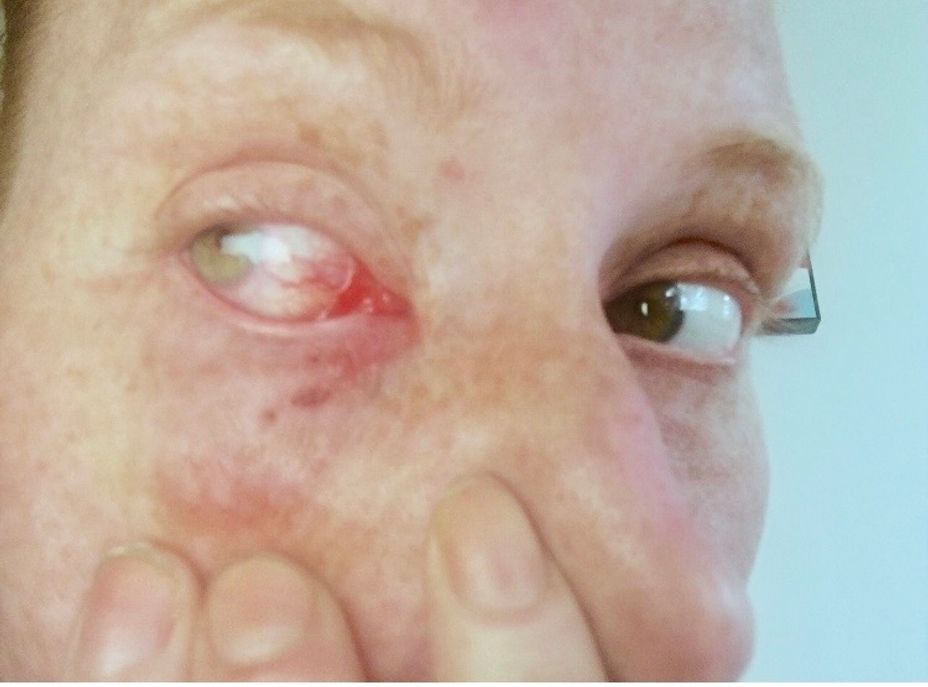
It’s not very sad to live with it for me, perhaps because I grew up in an environment so bad I had to learn to adapt fast, which makes me going blind not suffer so much though after 5 years actively dealing with constant spurts of vision loss, I finally feel some grief.
But really if I would list… disabilities? Well, ASD and blindness are together. Very likely to have won the ADHD gene too but I didn’t get to test yet because of money and because the overall test checks for ASD, ADHD and “being Gifted” and I’m already proven to have ASD and a “Gifted Brain” so I don’t want to pay a lot of money right now just to check if ADHD is here too. Now eyes? Congenital cataracts with retinal dystrophy followed by partial ophthalmoplegia, partial lagophthalmos, nocturnal lagophthalmos, light strabism and an amblyopic eye that never worked until some weeks ago and activated because my dominant eye got to the useless bar. Also was lucky to win the myopia and astigmatism genes but those are common in society. Then there’s the very specific genes from each of my parents… heart disease and hypertension weren’t on my bingo card until I actually got to a point where I apparently earned it from my dad. Then a very aggressive gastritis from my mum, and also coming from her… loose ligaments and double joint.
Aside from my effed mental health that is more mine than anyone else’s, I basically won the gene pool. I try laughing about it because if I’d cry for all of it I’d be even more miserable, but what most of that brings me isn’t the grief really, it’s a free ticket for being constantly annoyed and tired, always in fatigue and although my patience is almost endless, I do get frustrated and annoyed by having to go doctor after doctor trying to solve my issues, adjust medications, and overall, trying to find an ophthalmologist who actually will effing listen to me on testing for Retinitis Pigmentosa Sine Pigmento because I have all the symptoms, but nothing is visible on my retina, and that’s why this kind of RP I mentioned, is called “Sine Pigmento” (If you didn’t understand the term, it’s Latin for “without pigment”)

Most common user reactionsMost common user reactions 4 reactions
Post
See full photo

Share a song you relate to as someone living with chronic illness.

It’s no surprise that music can be a powerful source of comfort and emotional healing. For many people living with chronic illness, it can also be a helpful way to cope with symptoms and manage stress.

What’s a song you connect with, and what part of it resonates with you the most?

⭐ Your answer may be used to update a Mighty article! ⭐

#ChronicPain #ChronicIllness #MentalHealth #Disability #Caregiving #RareDisease #Migraine #Stroke #CardiovascularDisease #AutonomicDysfunction #PosturalOrthostaticTachycardiaSyndrome #Spoonie #Lupus #Endometriosis #Cancer #Anxiety #PTSD #CheckInWithMe

Most common user reactionsMost common user reactions 13 reactions 11 comments
Post

I'm new here!

Hi, my name is Beautifulcrazy93. I'm here because
I have about 30 plus diagnosed medical condition Most are not here some are very rare so they say i just need to find people to fell less alone and maybe give some hope maybe find a doctor who’s up for a challenge #MightyTogether #Fibromyalgia #Migraine #PTSD #Anxiety #OCD #EhlersDanlosSyndrome #NeuropathyHereditary #Dysautonomia #Dysphasia #Dysthymia #Depression #Epilepsy #Agoraphobia #PosturalOrthostaticTachycardiaSyndrome #HeartDisease #IrritableBowelSyndromeIBS #IronDeficiencyAnemia

Most common user reactionsMost common user reactions 6 reactions
Post

I'm new here!

Hi, my name is Beautifulcrazy93. I'm here because
I have about 30 plus diagnosed medical condition Most are not here some are very rare so they say i just need to find people to fell less alone and maybe give some hope maybe find a doctor who’s up for a challenge #MightyTogether #Fibromyalgia #Migraine #PTSD #Anxiety #OCD #EhlersDanlosSyndrome #NeuropathyHereditary #Dysautonomia #Dysphasia #Dysthymia #Depression #Epilepsy #Agoraphobia #PosturalOrthostaticTachycardiaSyndrome #HeartDisease #IrritableBowelSyndromeIBS #IronDeficiencyAnemia

Most common user reactionsMost common user reactions 6 reactions
Post
See full photo

How Mental Health Impacts Physical Health: A Canadian Perspective on the Mind–Body Connection By BigmommaJ

In Canada, mental health is increasingly recognized as a critical component of overall health—yet our systems, policies, and practices often continue to treat mental and physical health as separate domains. This separation does not reflect clinical reality.

Mental health directly influences physical health outcomes, including chronic disease, immune functioning, pain, and life expectancy. When mental health concerns are untreated or inadequately addressed, they frequently manifest as physical symptoms that place increased strain on individuals, families, and the healthcare system (Public Health Agency of Canada [PHAC], 2023).

Mental health is not ancillary care.

It is foundational to health.

Mental Health as a Determinant of Health

In Canada, mental health is recognized as both a health outcome and a social determinant of health, shaped by factors such as early childhood experiences, income security, housing stability, access to services, and exposure to violence or discrimination (PHAC, 2023).

The Canadian Mental Health Association (CMHA) defines mental health as the capacity to feel, think, and act in ways that enhance one’s ability to enjoy life and deal with challenges.

When this capacity is compromised, the physiological stress response becomes chronically activated, increasing the risk of illness (CMHA, 2023).

Mental distress is not simply psychological—it is neurobiological

Chronic Stress, Allostatic Load, and Physical Health

From a clinical standpoint, prolonged psychological stress contributes to allostatic load—the cumulative wear and tear on the body’s systems due to repeated or chronic stress exposure (McEwen & Akil, 2020).

In Canadian populations, chronic stress has been associated with:

*Hypertension and ischemic heart disease

*Type 2 diabetes

*Autoimmune and inflammatory conditions

*Gastrointestinal disorders

*Chronic pain syndromes

*Sleep-wake disturbances

Individuals with histories of childhood maltreatment, involvement in child welfare systems, intimate partner violence, or systemic trauma experience disproportionately higher allostatic load, contributing to long-term health inequities (PHAC, 2023; Felitti et al., 1998).

From a trauma-informed lens, these outcomes reflect adaptive survival responses, not pathology.

Depression, Anxiety, and Chronic Disease

Mood and anxiety disorders are among the most prevalent mental health conditions in Canada and are strongly associated with chronic physical illness. Clinical evidence demonstrates that individuals living with depression are at increased risk for cardiovascular disease, metabolic disorders, and poorer post-illness recovery outcomes (Mental Health Commission of Canada [MHCC], 2022).

Anxiety disorders are frequently associated with:

*Functional gastrointestinal disorders

*Chronic respiratory symptoms

*Somatic symptom presentations

*Heightened pain perception

Within primary care, these conditions often present as physical complaints, underscoring the importance of integrated mental health screening and collaborative care models (MHCC, 2022).

Trauma, the Nervous System, and Somatic Health

Trauma is increasingly understood in Canadian clinical practice as a neurophysiological injury, affecting how the nervous system regulates safety, threat, and connection. Trauma exposure—particularly in childhood—alters stress response systems and increases the risk of long-term physical illness (SAMHSA, 2014; PHAC, 2023).

The Adverse Childhood Experiences (ACE) study, frequently referenced in Canadian public health frameworks, demonstrates a strong dose-response relationship between early trauma and adult health conditions, including heart disease, cancer, and chronic lung disease (Felitti et al., 1998).

Trauma-informed care emphasizes that:

Physical symptoms may represent the body’s communication of unresolved stress and threat.

This perspective is particularly relevant in child welfare, corrections, addiction services, and community mental health settings.

Mental Health, Substance Use, and Physical Health

In Canada, substance use is increasingly approached through a health-based and harm-reduction lens, recognizing its strong association with mental health conditions and trauma exposure (Canadian Centre on Substance Use and Addiction [CCSA], 2022).

Substance use impacts physical health through:

*Cardiovascular and hepatic disease

*Neurological impairment

*Nutritional deficiencies

*Immune suppression

Concurrent mental health and substance use disorders require integrated, concurrent-capable care, a standard emphasized in Canadian clinical guidelines (CCSA, 2022).

Punitive or abstinence-only approaches fail to address the underlying drivers of both mental and physical health deterioration.

Stigma as a Barrier to Health Care

Despite progress, stigma remains a significant barrier within Canadian healthcare systems. Individuals with mental health diagnoses report higher rates of symptom dismissal, diagnostic overshadowing, and reduced quality of care for physical health concerns (MHCC, 2022).

Stigma contributes to:

*Delayed help-seeking

*Increased emergency department utilization

*Lower treatment adherence

Worsened health outcomes
Reducing stigma is a clinical intervention—not a public relations strategy.

Personal Reflection

Across my work and lived experience, I have seen how unresolved trauma and chronic stress live in the body—showing up as pain, fatigue, and illness long before words feel accessible.

Healing did not begin with symptom elimination.
It began with understanding.
When we stop framing physical symptoms as failures and start recognizing them as adaptations, compassion becomes clinically relevant.

Toward Integrated, Trauma-Informed Care

Canadian health frameworks increasingly emphasize:

*Integrated primary and mental health care

*Trauma- and violence-informed practice

*Culturally responsive and equity-oriented services

*Recognition of lived experience as expertise

Mental health care is preventive health care. Addressing psychological distress reduces long-term system burden and improves quality of life.

Call to Action

If you are navigating physical health challenges alongside mental distress, your experience is valid and deserving of care.

If you work within healthcare, social services, or child welfare, consider what the nervous system may be responding to—not just what symptoms are visible.

If you are healing, know this: supporting your mental health is supporting your physical survival.
We rise above our norm when we treat health as whole, interconnected, and human.

BigmommaJ
#MentalHealth #physicalhealth #wellbeing

Most common user reactions 3 reactions
Post
See full photo

Mental illness is not “all in your head.”

1. The American Psychiatric Association defines mental illness the same way it defines heart disease or diabetes: measurable changes in how your brain and body function.

2. Brain scans prove it. Large MRI and fMRI studies find consistent patterns in people with:

Depression (altered activity in mood-regulating networks)

• PTSD (smaller hippocampus and overactive amygdala “fear circuits”)

Anxiety disorders (hyperactive threat-detection)

Schizophrenia (distinct structural and connectivity changes)

These show up across thousands of scans.

3. Mental illness affects the whole body. Studies link depression, anxiety, and bipolar disorder with immune changes, inflammation, hormone shifts and metabolic patterns.

4. It’s not “in your head” — it’s in your biology.

Thoughts, trauma, genetics, stress, and environment all shape real, physical brain circuits. Recovery also shows up on brain scans after therapy, medication, and support.

If you’re struggling, you’re not weak, broken, or imagining it. You’re dealing with a legitimate health condition, and help is available.

#BPD #BorderlinePersonalityDisorder #MentalHealth #PTSD #Anxiety #Schizophrenia

Most common user reactions 3 reactions
Post

What Is Progeria

What Is Progeria?
Progeria or Hutchinson-Gilford Progeria Syndrome is a rare genetic disorder that causes rapid aging. It has no cure, but lonafarnib (Zokinvy) is the first FDA-approved drug that has the ability to slow disease progression by inhibiting the faulty protein (progerin) that causes it, extending lifespan by about 2.5 to 4.5 years. Last but not least, other treatments also involve managing complications with low-dose aspirin for heart health, statins or cholesterol drugs, blood thinners, physical or occupational therapy, and nutritional support to improve quality of life, as heart disease is the primary cause of death.

Post
See full photo

Story of the Week: What tips would you share for parenting with a chronic illness?

Parenting is hard work that takes effort, patience, and a lot of energy — and doing it while managing a chronic illness adds an extra layer of challenges that often requires additional compassion and support.

What advice, tips, or encouraging words would you share about parenting with a chronic illness?

📖 Need a Mighty read? Check out today’s Story of the Week for more tips and insight:
4 Guilt-Free Tips for Parenting With a Chronic Illness

#ChronicPain #ChronicIllness #MentalHealth #Disability #Caregiving #RareDisease #Migraine #Stroke #CardiovascularDisease #AutonomicDysfunction #PosturalOrthostaticTachycardiaSyndrome #Spoonie #Lupus #Endometriosis
#Cancer #Anxiety #PTSD #CheckInWithMe

4 Guilt-Free Tips for Parenting With a Chronic Illness

"Your family isn't going to look like everyone else's and that's OK."
Most common user reactionsMost common user reactions 4 reactions 1 comment