Insomnia

Create a new post for topic
Join the Conversation on
Insomnia
52.8K people
0 stories
7.1K posts
About Insomnia Show topic details
Explore Our Newsletters
What's New in Insomnia
All
Stories
Posts
Videos
Latest
Trending
Post

Neurodivergent And Disability Definitions

Insomnia
Ongoing difficulty falling or staying asleep, or waking without feeling rested, and is more common among autistic and ADHD people.
Open To Read More
Insomnia refers to ongoing difficulty falling asleep, staying asleep, or returning to sleep after waking during the night. It’s more common among Autistic and ADHD people and is often shaped by how the nervous system processes stimulation, stress, and the shift into rest.
For many people, insomnia grows out of a mix of racing or looping thoughts, sensory sensitivities, and a brain that stays alert long after the body feels exhausted. Even when someone is deeply tired, their nervous system may struggle to downshift into sleep. This often reflects both psychological and body-based factors, including differences in how brain systems like the hypothalamus help regulate arousal and circadian rhythms.
Insomnia isn’t a failure of sleep hygiene or willpower. Support usually involves more than bedtime routines alone and may include sensory accommodations, nervous system regulation, predictable wind-down rhythms, and easing the pressure to “sleep on command.”
For some, additional support might include working with a therapist, targeted sleep medications or supplements, light therapy, or other approaches that address both the mind and the body.

Internalized Ableism
When society’s messages about disability and difference get turned inward, shaping shame, self-judgment, or pressure to appear “capable.”
Open To Read More
Internalized ableism happens when we absorb society’s messages about disability and difference and turn them inward. It can sound like pressure to appear “capable,” shame when we need support, or the belief that our worth depends on how well we can mask or push through. This can affect people with both visible and invisible disabilities, including neurodivergent people, those with chronic illness, and people with body-based differences.
This process is often unconscious. It’s shaped by years of living in systems that link productivity, independence, and conformity with value. Over time, those external expectations can become internalized, making it harder to honor our needs, ask for help, or embrace interdependence.
Internalized ableism can look similar to self-criticism or trauma responses, and they often coexist. The difference is that internalized ableism is rooted in cultural beliefs about disability and difference — ideas learned from systems and norms — rather than solely from individual experiences of harm.
Noticing internalized ableism can help us gently recognize where these messages come from, so we can begin to loosen their grip and relate to ourselves with more compassion and choice.

Post

Sleepless Nights

It's 5 am - I should be asleep and pleasantly dreaming.
Except my body won't listen. My mind is conceiving.

Lying here for hours. Wishing I was tired.
Why is my mind always so fuckin wired??

Thinking about the day ahead.
So damn frustrating. Fills me with dread.

Sleepless nights are are all too familiar. A feeling so unsettling.
Why can't I shut my brain off? Enough with all this fretting!

"Take another pill. Ty some deep breathing".
The expert advice is quite frankly unappealing.

I hate this feeling.
I wish I had healing.
Maybe there's something here that's revealing?

Sleepless nights you're not welcome. Sleepless nights truly suck.
Another sleepless night.
Guess I'm all out of luck.

Go to sleep brain!

#MentalHealth #Insomnia #Anxiety #CheckInWithMe

Most common user reactionsMost common user reactionsMost common user reactions 7 reactions 1 comment
Post

Hello everyone!

I am wondering if there would be interest in a new group focused on healing nervous system dysregulation and holistic health.

Many people struggling with various mental health and physical issues or “mystery conditions” have the underlying issue of the sympathetic nervous system having “gotten stuck” in an alert state and lost its flexibility to move to restorative states. This can go with PTSD/CPTSD, occur after prolonged periods of stress and anxiety and also have physical contributors.

It can lead to a myriad of symptoms and be hard to discover in healthcare systems that often don’t look at the whole body and instead of dealing with the root cause, treat only symptoms.

I am myself on a journey trying to heal after many years of mental health and health struggles and not understanding the whole picture. I am hoping to connect with others, to share my knowledge, learn from you, and to support each other along the way.

The group would be relevant for you if you:

- Know or suspect you have a dysregulated nervous system

- Struggle with high functioning anxiety, chronic stress, chronic insomnia and/or chronic fatigue

- Are living in survival mode, always feeling like you have to be ready

- Have a myriad unclear symptoms, no clear diagnosis or one that explains the whole picture

- Want to approach your health and well-being more holistically – meaning taking care of all aspects of you, healing the root causes and not just treating symptoms

The group could be helpful through:

- Sharing what has been helpful for us, new things we’ve learnt, resources

- Checking in on each other, see where we are at

- Helping to hold each other accountable and stay on track on our health journeys

If anyone would be interested or if there already is a group like this I’ve missed – let me know.

Hope you are having a good or at least okay day!

#nervoussystemdysregulation #MentalHealth #PTSD #ComplexPosttraumaticStressDisorder #Anxiety #Insomnia #ChronicFatigue #Undiagnosed #ChronicIllness #Addiction #Dissociation #Burnout #ChronicFatigueSyndrome #Trauma #Depression #Migraine #Neurodiversity #heal #Holistic

Most common user reactionsMost common user reactionsMost common user reactions 34 reactions 17 comments
Post
See full photo

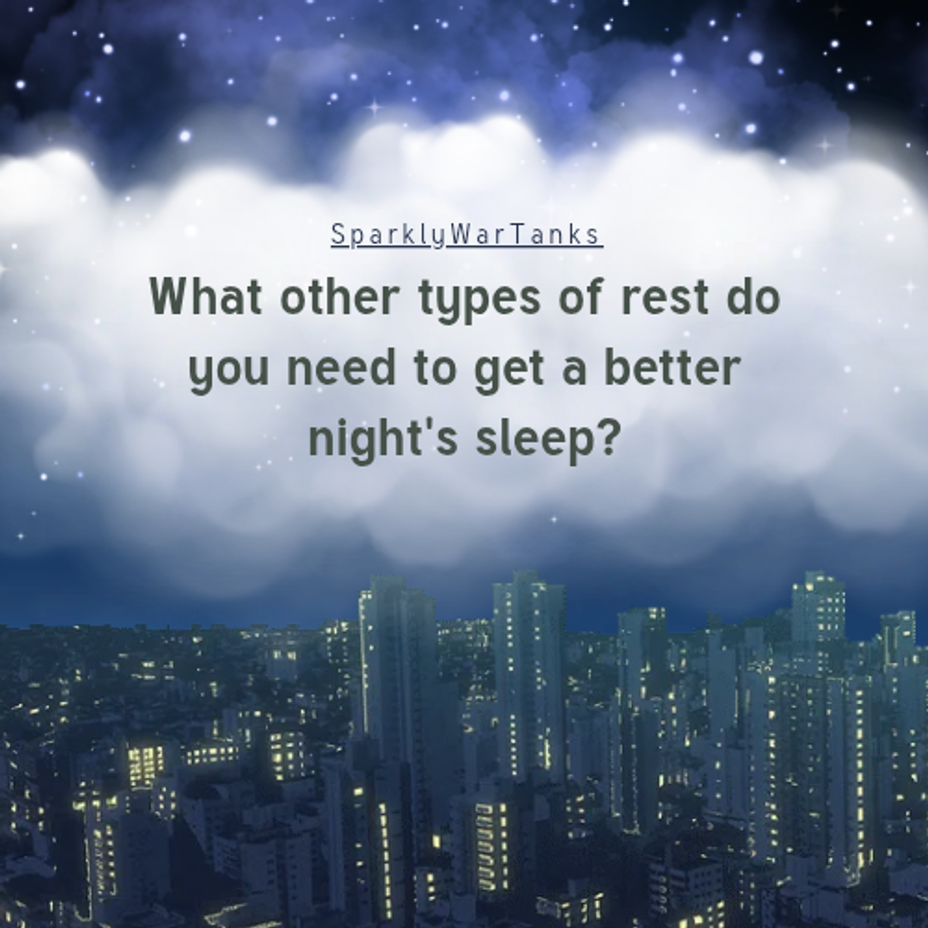
What are some boundaries you have—or want to create—around your sleep routine?

Creating boundaries, limits, or self-rules around my sleep routine can be really hard for me, but I know how important it is. A lack of sleep can significantly impact the symptoms I experience, both mentally and physically.

One boundary I want to create is getting at least 7–8 hours of sleep (ideally 8, though I know that can be challenging at times). I also want to practice patience with myself on nights when I get less rest—by going slower the next day, taking my time, and being kind to myself and my expectations.

My goal is to be more consistent with when I start winding down for bed, intentionally building real sleep habits and sticking to them. I want to practice more discipline around my sleep because it’s such an important part of my health.

What about you? What boundaries do you have—or want to create—around your sleep schedule or routine?

#Insomnia #ChronicPain #ChronicIllness #SleepApnea #Depression #BipolarDepression #Anxiety #MentalHealth #Disability #MultipleSclerosis #CheckInWithMe

Most common user reactionsMost common user reactions 5 reactions 2 comments
Post
See full photo

A symptom I’m most accustomed to managing is ______.

When you’ve lived with chronic illness—diagnosed or otherwise—there may be certain symptoms you become used to managing or even expecting, especially if they’ve been present for a long time or for as long as you can remember. For Mighty staffer @sparklywartanks , that symptom is insomnia or irregular sleep patterns. While it remains one of the most challenging symptoms to balance, she’s learned to recognize when she needs extra support.

What’s a symptom you’re used to managing, or one you’ve lived with the longest?

#MightyMinute #CheckInWithMe #ChronicPain #ChronicIllness #Disability #RareDisease #MentalHealth #Anxiety #Autism #Parenting #PTSD #BorderlinePersonalityDisorder #BipolarDisorder #ObsessiveCompulsiveDisorder #EatingDisorders #Depression #Fibromyalgia #Lupus #MultipleSclerosis #Migraine #Spoonie

Most common user reactionsMost common user reactionsMost common user reactions 22 reactions 11 comments
Post
See full photo

What’s a metaphor you would use to describe your EDS pain?

Living with EDS can involve a wide range of symptoms and varying levels, intensities, and types of pain. When trying to talk about these experiences—especially with people who don’t live with EDS or chronic illness—it can be difficult to find the right words. Without a shared frame of reference, others may not fully understand how EDS can affect daily life.

What has it been like for you to share about your EDS pain? What metaphors have you used to help describe what you experience?

📒 Here’s a story you can read to learn how other Mighties describe what EDS pain feels like to them:
8 Metaphors That Explain the Different Types of Ehlers-...

#EhlersDanlosSyndrome #ChronicPain #ChronicIllness #PosturalOrthostaticTachycardiaSyndrome #Fibromyalgia #Depression #Anxiety #Insomnia #ChronicFatigueSyndrome

8 Metaphors That Explain the Different Types of Ehlers-Danlos Syndrome Pain

"It feels like I've stepped on a bunch of Legos..."
Most common user reactions 3 reactions 1 comment
Post

I’m new here!

Hi, my name is binxy888. You can call me Binx or Binxy. I've been diagnosed with Epilepsy, Lupus, Autism Spectrum Disorder, ADHD, Insomnia, Depression, Anxiety, and PTSD. I work as a director of programs at a major insurance company and own another company. I am a single mom of two teens. I spend most my time masking and hiding my conditions from people as most people do not understand chronic illness. It is very lonely and isolating. I am looking for people that are going through similar situations to relate to.

#MightyTogether #AutismSpectrumDisorder #PTSD #Anxiety #Depression #Lupus #Epilepsy

Most common user reactionsMost common user reactions 16 reactions 3 comments
Post

I'm new here!

Hi, my name is amazonaddiction11963. I'm here because my husband lost his son 6 months ago, i lost my stepson, he was just coming back around to be a part of the family's life and we spent our 1st Christmas together last year. he was 36, my husband just saw him the night before may 30,25 and i got the phone call the next morning and had to call my husband with this devistating news. life has been so different, my husband doesn't talk about his son at all anymore, i literally just found out that his birthday is today 11/9, he would have been 37. I have tried everything i know to do, i have researched what to say what not to say, giving my husband space and letting him know however he needs to grieve, is ok, i am always here for him, i feel like i have also lost my best friend, my husband has different days, i can tell the anger days, bc i understand as a spouse i will get the brunt of it and im ok with that, i just wish i knew how to be more supportive. i was thinking of putting up a happy birthday banner and a few things out on the counter as a way to celebrate his birthday, but idk if this will be hurtful or a way for me to let my husband know that i still miss him too, and also a way to show support for my husband knowing today will be extremely hard as it is the 1st birthday without his son, knowing he cant ust pick up the phone and call him...any suggestions would be helpful

#MightyTogether #ADHD #Anxiety #Depression #Migraine #ChronicIllness #Insomnia #Grief #deathofastepson #agrievinghusband #myhusbandssondied #howtohelpmygrievinghusband

Most common user reactionsMost common user reactionsMost common user reactions 5 reactions 3 comments