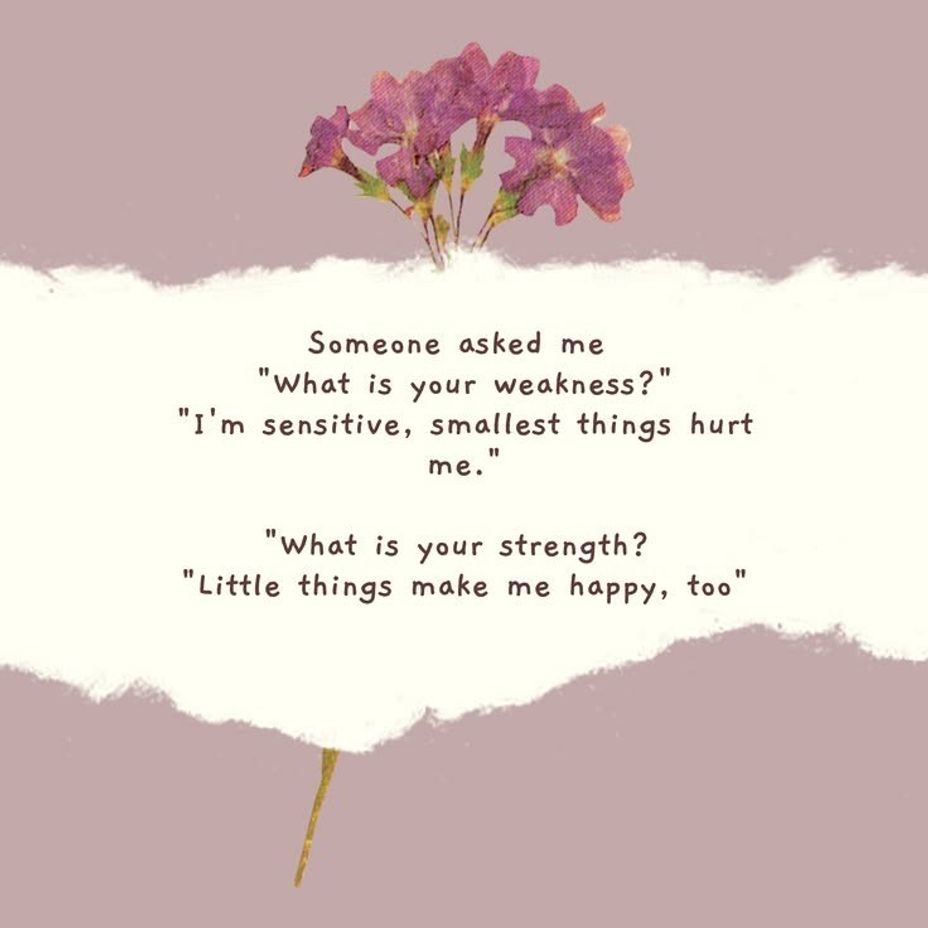
The connection between people-pleasing and depression is a common pattern I see in my practice. When you spend your life prioritizing others people's needs over your own, something inside becomes lost. You might not realize it’s happening at first. The exhaustion might feel normal or barely noticeable, and the resentment seems manageable. The emptiness is something you live with and tolerate. But below the surface, despair can slowly start to show up and eventually take over. Seeing how this dynamic shows up in people-pleasing can help you recognize how the strategies you've possibly been using to try to stay safe and connected can actually leave you feeling disconnected, isolated, and depleted.
The Hidden Cost of Constant Accommodation
People-pleasing isn’t simply about being kind or considerate. It’s a survival strategy that develops when you learn that your own needs or preferences are somehow problematic, leading you to chronically set aside your own emotional needs when with others. Maybe expressing disagreement felt dangerous in your family. Perhaps you learned that love was conditional, something you had to earn through perfect behavior or selfless giving, or that you'd be hurt by an abusive parent, or bullied or abandoned by friends if you didn't hide parts of yourself. Maybe you felt like your needs burdened the people closest to you. Chronic pleasing internalizes the harmful idea that you aren’t safe or good enough unless you’re adapting to others.
This constant accommodation requires you to suppress yourself. You silence your needs and quietly hold your disappointments. At first, this might feel like a small sacrifice. But when you spend years dismissing your internal experience, you lose touch with what you actually feel and need. You become a stranger to yourself. This disconnection is where depression starts to grow.
What People-Pleasing Can Feel Like
Seeing how you experience these patterns is an important step toward reclaiming your own sense of self and relieving depression and anxiety, and even things such as phobias. When you recognize how your people-pleasing tendencies can backfire, you can start to separate your identity from your old survival strategies.
Inability to say “no”: Feeling obligated to agree even when you are physically or emotionally overwhelmed.
Emotional Caretaking: Constantly apologizing and feeling responsible for the moods or reactions of others.
Hypervigilance: Feeling a sense of panic or deep anxiety if someone appears slightly displeased or upset with you.
Loss of Identity: Struggling to know your own needs or preferences because you have prioritized others for so long.
Conflict Avoidance (Fawning): Automatically smoothing over tension or “performing” to keep the peace at any personal cost.
Anger towards yourself for having feelings: People-pleasers often reach a sort-of "limit." This is the point where the symptoms begin to outweigh the benefits of people-pleasing. The depression, loneliness, anxiety, fears, and panic increase and you can't just stop them by pleasing anymore. The mechanism that used to protect you no longer can. People-pleasers often become angry with themselves when they can't please enough to feel safe anymore. It feels like a failure, and a scary one—that your mind and body is insisting on room for your own needs to exist, and be addressed.
Along with the disconnection from your own needs and feelings, this chronic state of vigilance can leave you in permanent “survival mode,” depleting your emotional energy and setting the stage for things like depression, anxiety, panic, and phobias. When you disconnect from your emotional needs, the needs continue to grow until they start to overtake you by showing up in places in your life you may not expect to see them. For example, I've seen people who start experiencing lack of sex drive, stronger anxiety and panic, migraines and headaches, fear of flying, or finding themselves more anxious when around other people than usual and wanting to isolate.
When Self-Sacrifice Becomes Self-Erasure
The relationship between people-pleasing and depression deepens when self-sacrifice crosses into a sense of erasing yourself. You’re not just being generous with your time and energy, your identity is disappearing. Your relationships become one-directional. You’re always the listener, the helper, the one who adjusts. Meanwhile, your own struggles remain unspoken because you’ve learned that they are burdensome or unimportant.
This can create profound loneliness. You’re surrounded by people, yet no one truly knows you. The connections you’ve worked so hard to maintain feel hollow because they’re built on a version of you that is, in many ways, detached. Depression often starts with this fundamental disconnection of self from others, which starts from disconnection with yourself. You feel empty because you’ve spent so long denying your own needs.
Finding Your Way Back to Yourself
Understanding your own people-pleaser tendencies is significant when trying to overcome depression, as well as various other mental health issues that can impact you. The process involves rebuilding a connected relationship with yourself and your internal experience; learning to notice what you feel, want, and need without immediately dismissing them. By enduring the discomfort of someone’s disappointment, or simply not being the one to keep others regulated—which may have been a crucial survival mechanism when growing up if you were bullied by peers, or had a parent that could be emotionally unpredictable—you learn that healthy relationships can actually withstand your needs.
#Depression #Anxiety #Relationships #peoplepleasing #phobias #Migraine #PanicAttacks


 Latest

 16 reactions •
9 comments
16 reactions •
9 comments