Latest
Applying for Disability
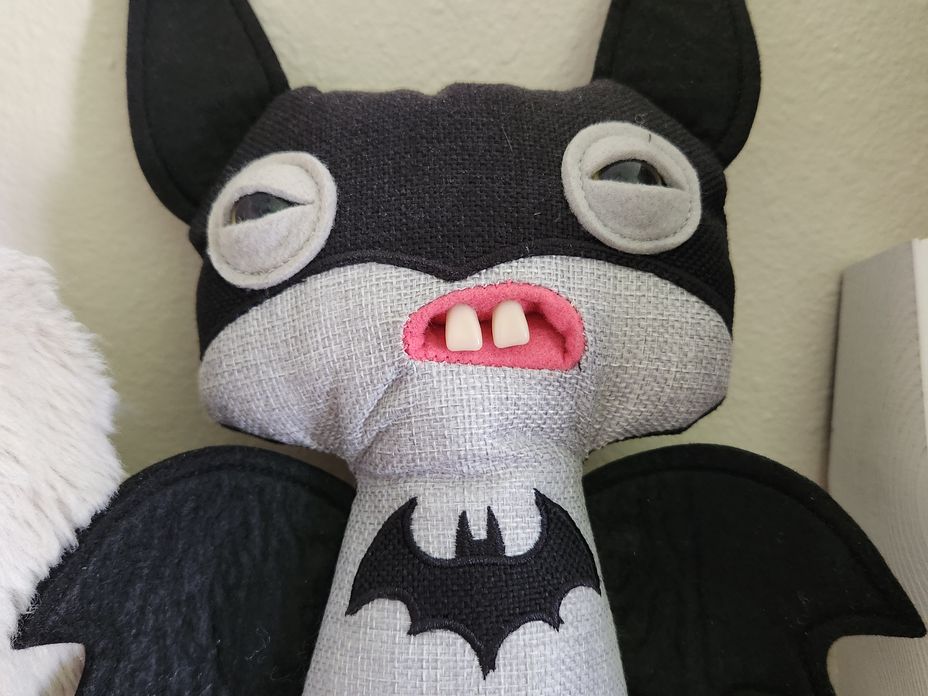
This is my face right now as I consider the process ahead. 😅
Hello all, I'm asking for tips and advice on applying for disability. The time has finally come. I've been almost totally dependent on my parents for 5 years, and they want to take care of me, but I am now in a situation where it's become necessary to apply.
I'll be researching, but I'd love any advice on what I can do or not do to have the smoothest experience possible.
Thanks! 🩵
#DiabetesType1
#PolycysticOvarySyndrome
#EDS
#Fibromyalgia
#AutonomicDysfunction
#PosturalOrthostaticTachycardiaSyndrome
#AutismSpectrumDisorder
#ChronicFatigueSyndrome
#Migraine
#PPPD
#Depression
#MentalHealth
#Anxiety
#PanicAttacks
#InterstitialCystitis
#SensoryProcessingDisorder
#Tinnitus
#MultipleChemicalSensitivity
#Gastroparesis
#pvc

 22 reactions •
14 comments
22 reactions •
14 comments