Latest
A Letter to the Little Girl I Never Really Left Behind.
To my younger self,
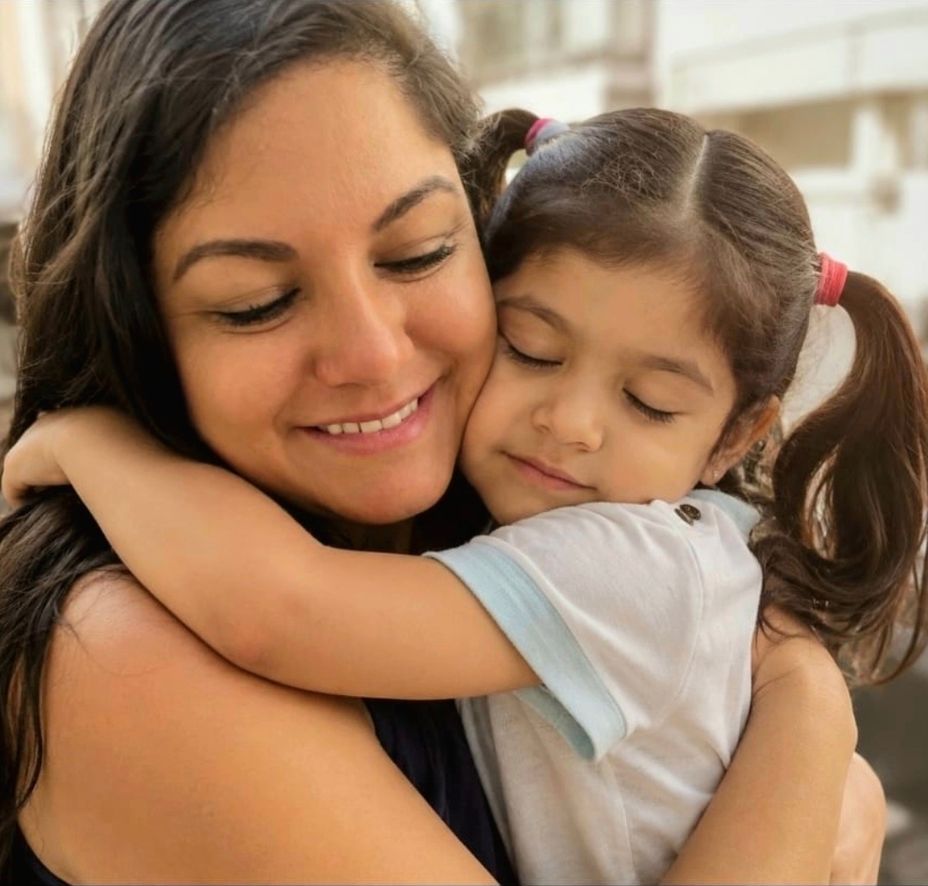
I wish I could hold you exactly like this and tell you everything I know now.
You are going to spend a lot of years trying to understand yourself. You’re going to wonder why you feel everything so deeply, why some things seem harder for you than they do for everyone else, and why you can be surrounded by people and still sometimes feel alone.
Please don’t change.
That softness in you is going to survive things you cannot even imagine yet. You are going to have your heart broken. You are going to lose people, lose pieces of yourself, and have seasons when simply getting through the day feels like an accomplishment. But somehow, that curious little girl is going to stay inside you. She is still going to want to see the world. She is still going to get excited about waterfalls and oceans and animals and strange little facts. She is still going to laugh too loudly, love too deeply, ask too many questions, and believe there are more beautiful things waiting for her.
And baby girl, there are.
At 42, I still don't have everything figured out. I still get scared. I still get attached. I still sometimes want things, and people, I cannot keep. I still cry when something beautiful ends.
But I know something you don't know yet:
We survive endings.
And we don't just survive them. Somehow, we keep finding wonder afterward.
So you don't have to be brave yet. You don't have to know what's coming. You don't have to protect me from any of it.
Just be little.
I've got you now.
And I promise I will spend the rest of our life trying to give you the safety, adventure, tenderness, freedom, and love you always deserved.
Love,
You, all grown up. ❤️#CPTSD #audhd #innerchildhealing #Childhoodtrauma #latediagnosedautistic #latediagnosedadhd
 12 reactions •
4 comments
12 reactions •
4 comments