Image found on Google
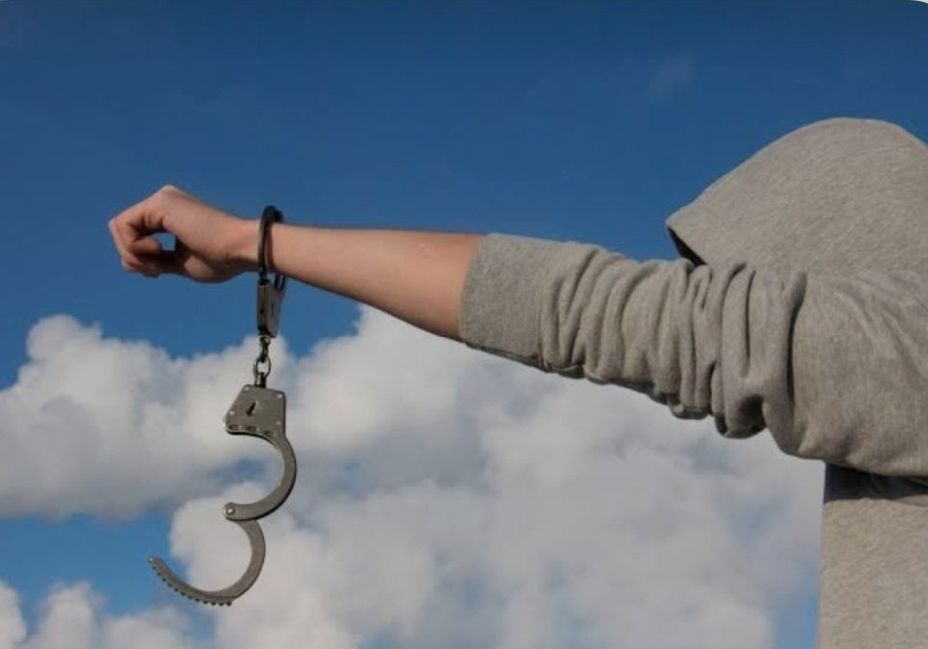
“I can do this on my own.”
For many people struggling with addiction, those words feel empowering. They reflect determination, independence, and resilience. But addiction is one of the few battles where trying to fight alone often becomes part of the problem.
Addiction thrives in secrecy, isolation, and shame. Recovery thrives in connection, accountability, and support.
The truth is that most people do not recover because they are strong enough to do it alone. They recover because they become strong enough to ask for help.
Addiction Changes More Than Behaviour
Addiction is not simply a bad habit or a lack of willpower. Research shows that prolonged substance use affects areas of the brain involved in reward, motivation, memory, impulse control, and decision-making (Volkow et al., 2016).
As substances repeatedly activate the brain’s reward system, the brain begins to prioritize obtaining and using the substance over other important aspects of life, including relationships, health, work, and personal values. This helps explain why many individuals continue using despite severe consequences.
According to the ccsa.ca, substance use disorders are complex health conditions influenced by biological, psychological, and social factors.
If addiction were simply a matter of wanting to quit badly enough, relapse would not be so common and treatment would not be necessary.
Addiction Distorts Thinking
One of the most difficult realities of addiction is that it affects the very tool needed to recognize the problem: the mind.
Addiction often creates distorted beliefs such as:
*”I can stop whenever I want.”
*”I’m not as bad as other people.”
*”Nobody can help me.”
*”One more time won’t hurt.”
*”I don’t need support.”
These thoughts are not necessarily character flaws; they are often symptoms of a condition that impacts judgment and insight (American Psychiatric Association, 2022).
Trying to recover alone while addiction continues influencing thoughts and decision-making can be like trying to navigate a maze while blindfolded.
Recovery Happens in Relationships
Humans are social beings. Connection is not a luxury—it is a biological need.
Research consistently demonstrates that social support is one of the strongest predictors of successful recovery outcomes (Kelly et al., 2017).
Individuals who have supportive relationships and participate in recovery communities tend to experience higher rates of sustained sobriety than those attempting recovery alone.
Support can come from:
*Family members
*Friends
*Peer support groups
*Sponsors
*Therapists
*Addiction counselors
*Treatment programs
*Recovery communities
The opposite of addiction is not simply sobriety.
Many experts argue that the opposite of addiction is connection.
Trauma Cannot Heal in Isolation
For many individuals, addiction is not the primary problem—it is an attempt to manage deeper pain.
Research has repeatedly linked childhood adversity, abuse, neglect, violence, and other traumatic experiences with increased risk of substance use disorders (Felitti et al., 1998).
Substances often become a way to numb emotional pain, regulate overwhelming feelings, or escape traumatic memories.
While addiction may develop in isolation, trauma recovery frequently occurs within safe and supportive relationships. Trust, emotional regulation, vulnerability, and healthy coping skills are often learned through connection with others.
Healing requires more than removing the substance; it requires addressing the pain underneath it.
The Shame Cycle
Perhaps the greatest barrier to seeking help is shame.
Shame tells people:
“If people knew the truth about me, they would reject me.”
As a result, many individuals withdraw from others and attempt to manage addiction privately.
Unfortunately, isolation tends to strengthen both addiction and shame.
Research from camh.ca, highlights that stigma remains one of the most significant barriers preventing individuals from accessing treatment and support.
The more people hide, the more alone they feel.
The more alone they feel, the more they may turn to substances.
The cycle continues.
Connection interrupts that cycle.
Independence Is Not Recovery
Society often praises self-reliance.
We admire people who overcome challenges on their own. We celebrate independence and toughness.
But addiction is not a challenge that rewards isolation.
No one expects a person with a broken bone to heal through determination alone. No one expects someone experiencing heart disease to simply “try harder.”
Addiction deserves the same understanding.
Seeking treatment, attending meetings, participating in counseling, or asking for support is not weakness.
It is evidence of strength.
Rising Above the Norm
The norm says:
Hide your struggles.
Keep your pain private.
Figure it out yourself.
Don’t let anyone see you struggling.
At Rise Above Your Norm, we challenge that thinking.
Real strength is not carrying every burden alone.
Real strength is recognizing when support is needed and having the courage to reach for it.
Recovery begins when isolation ends.
Reflection
Many people spend years waiting until they are “better” before asking for help.
They believe they must first prove they can stop using, get their life together, or become worthy of support.
Addiction does not work that way.
Support is not the reward for recovery.
Support is often the pathway to recovery.
Every day, individuals struggling with addiction convince themselves they can handle it alone. Some eventually discover that they cannot—and that realization often becomes the turning point that saves their lives.
The goal is not to prove strength through isolation.
The goal is to build strength through connection.
Call to Action
If addiction has convinced you that asking for help is a sign of weakness, challenge that belief today.
*Reach out to one trusted person
*Attend one recovery meeting
*Call one counselor
*Send one text
*Take one step
You do not have to know how the entire journey, it will unfold.
You only need enough courage to take the next step—and enough humility to recognize that you do not have to do it alone.
BigmommaJ
#AddictionRecovery #MentalHealth


 Latest

 4 reactions •
1 comment
4 reactions •
1 comment