Latest

Mental Health Awareness Month: Introverts, social distancing.
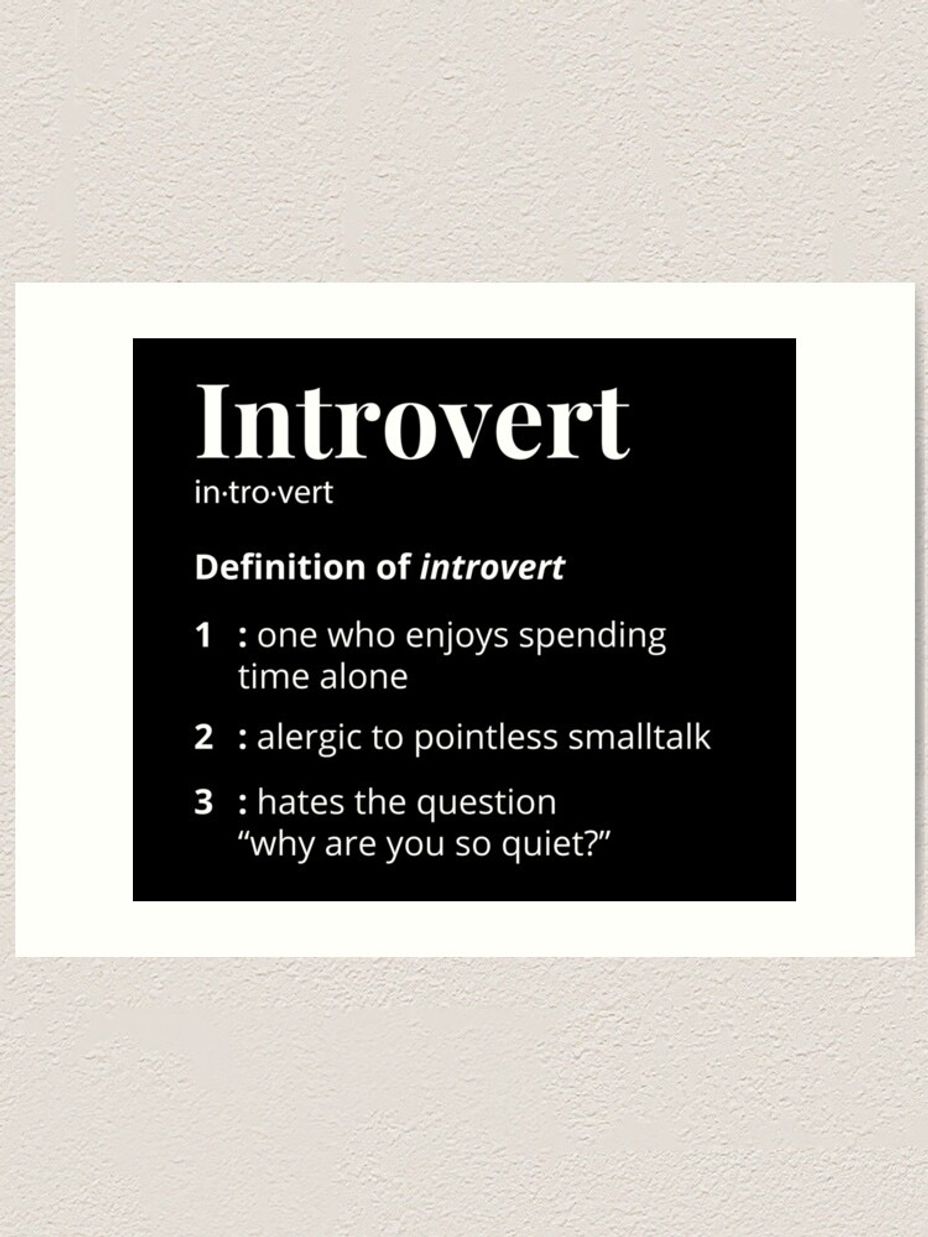
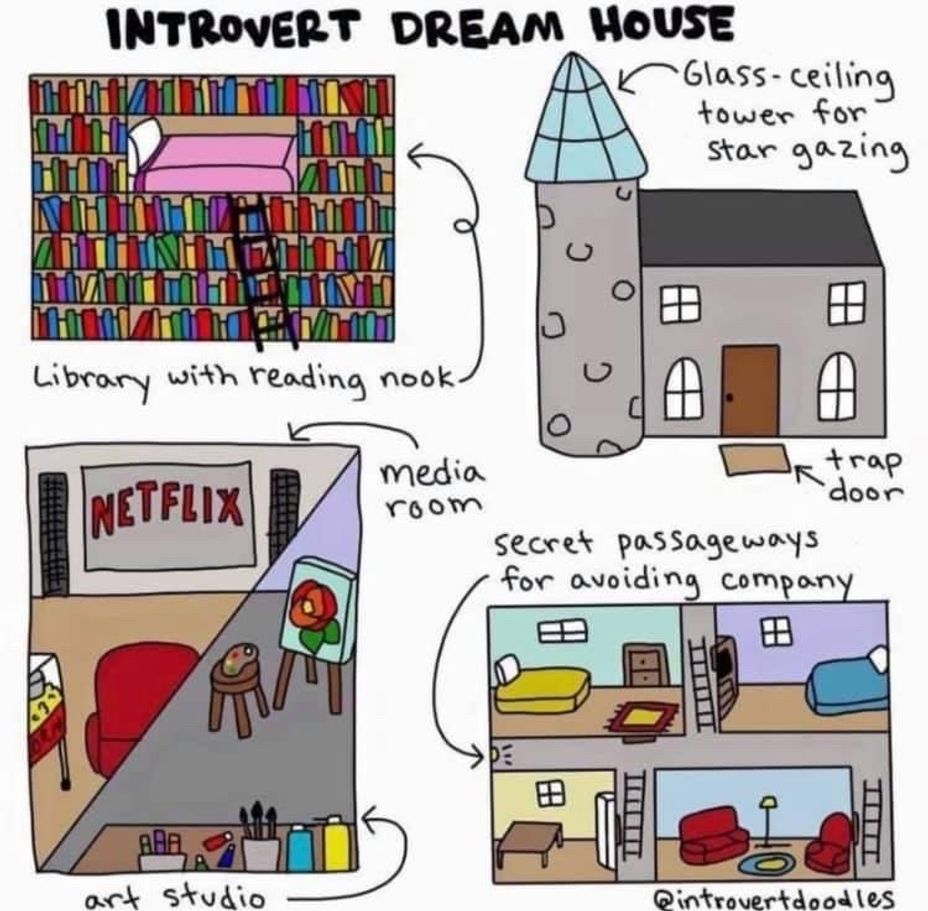
May hits, and suddenly the world gets loud about “connection,” “showing up,” “being present.” That works for some people. For introverts, it can feel like being handed a megaphone when all you asked for was a quiet corner and a little understanding. Social distancing never felt strange to us. It felt familiar. Sometimes even necessary.
There is this assumption floating around that being alone equals being lonely, or worse, struggling. That misses the point entirely. For a lot of introverts, solitude is not a red flag. It is maintenance. It is how the system resets. The real strain shows up when the world keeps demanding output long after the internal battery has dropped into the red. Conversations stack, expectations pile up, and suddenly even small interactions feel like climbing uphill with no break in sight.
Mental health for introverts often lives in that quiet tension. You want connection, but not overload. You care about people, but your energy has limits that do not negotiate well with constant noise. Social battery drain is real. It is not dramatic, it is not attention-seeking, it is just biology and wiring doing what they do. Push past it too often, and the cost shows up later as exhaustion, irritability, or that foggy sense of being disconnected from yourself.
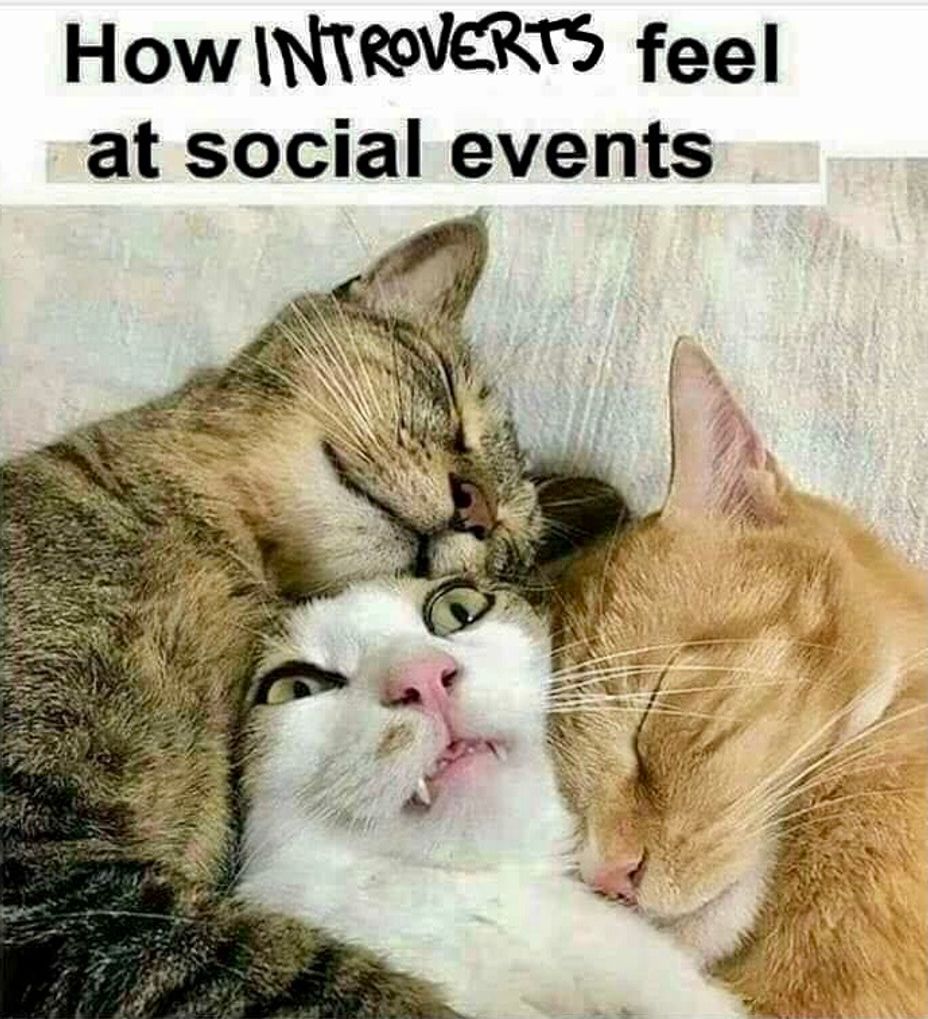
The tricky part is that it does not always look like struggle from the outside. You can be present, smiling, even engaged, while internally counting down to the moment you can step away and breathe again. That gap between appearance and reality is where a lot of introverts carry their mental load.
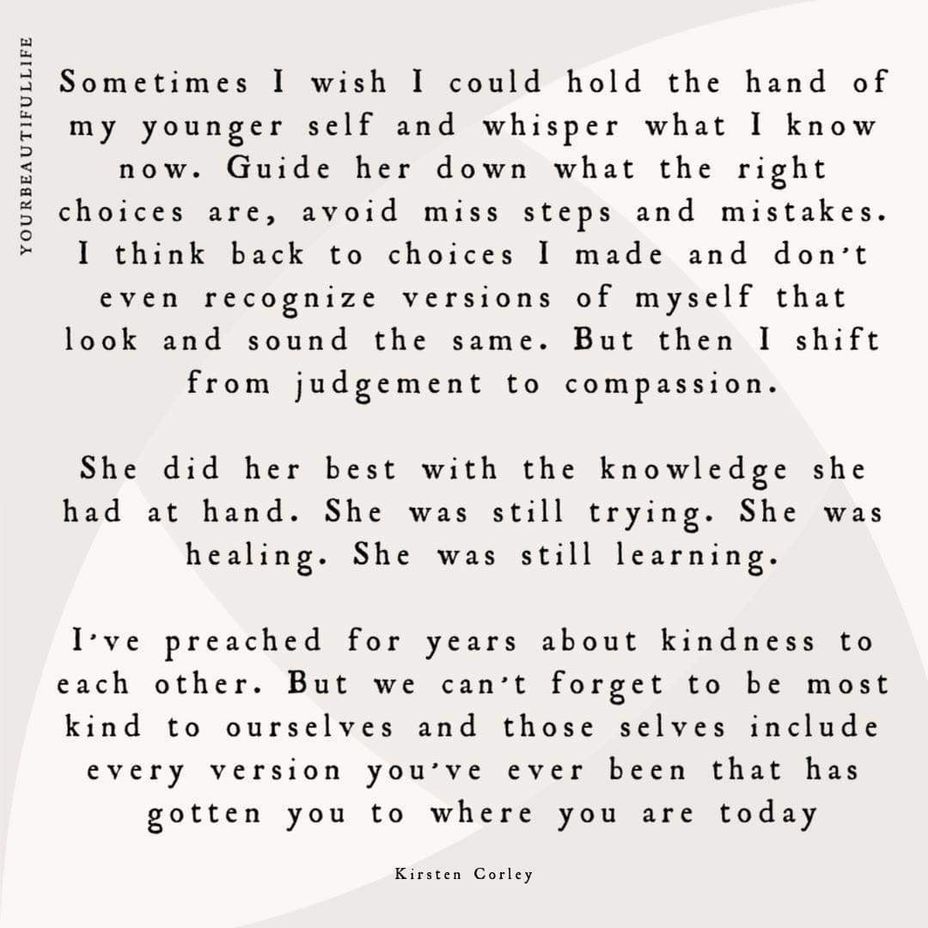
Mental Health Awareness Month should make room for that truth. Not everyone heals in crowds. Not everyone recharges through constant interaction. Sometimes the healthiest move is stepping back, choosing quiet, protecting your energy without apology.
Final thought, simple and honest: “Not all distance is disconnection. Sometimes it is the most honest way we take care of ourselves.”
 3 reactions