Ovarian Cancer

Create a new post for topic
Join the Conversation on
Ovarian Cancer
1.2K people
0 stories
138 posts
About Ovarian Cancer Show topic details
Explore Our Newsletters
What's New in Ovarian Cancer
All
Stories
Posts
Videos
Latest
Trending
Post

How Genetics Influence Cancer Risk and Prevention

By Linda Athanasiadou

Genetics plays a fundamental role in the development and progression of cancer. As someone who has faced the challenges of cancer treatment, I, Linda Athanasiadou, have come to some thoughts on how our genetic makeup can significantly influence both the risk of developing cancer and the effectiveness of preventive measures. In this article, I will explore how genetics impacts cancer risk, the role of inherited mutations, and how understanding these genetic factors can inform prevention and treatment strategies. I am not a doctor, it’s just my personal research.

The Role of Genetics in Cancer

Cancer is caused by changes (mutations) in the DNA that lead to uncontrolled cell growth. While many of these mutations occur as a result of environmental factors, such as smoking, radiation, or diet, some mutations are inherited from one generation to the next. Inherited genetic mutations can significantly increase the risk of certain types of cancer, and understanding these genetic factors can be crucial for prevention, early detection, and treatment.

Genetic mutations that increase cancer risk are often classified into two categories: those that are inherited (germline mutations) and those that occur during a person’s lifetime (somatic mutations). Germline mutations are passed down from parent to child and are present in every cell of the body, while somatic mutations are acquired during a person’s lifetime and affect only specific cells.

Inherited Genetic Mutations and Cancer Risk

Some genetic mutations are directly linked to an increased risk of developing certain cancers. One of the most well-known examples is mutations in the BRCA1 and BRCA2 genes, which significantly increase the risk of breast and ovarian cancer. Women who inherit a BRCA mutation have a much higher lifetime risk of developing breast cancer, with estimates ranging from 45% to 70%, compared to about 12% in the general population. Additionally, men with BRCA mutations are also at increased risk for breast cancer and other cancers, such as prostate cancer.

In addition to BRCA1 and BRCA2, there are other inherited genetic mutations associated with increased cancer risk. For example, mutations in the TP53 gene, which is responsible for producing a protein that helps prevent the growth of tumours, can lead to a rare inherited disorder called Li-Fraumeni syndrome. This condition significantly increases the risk of developing several types of cancer, including breast cancer, bone cancer, and brain tumours, often at a young age.

Lynch syndrome, caused by mutations in genes involved in DNA repair, is another genetic condition that increases the risk of colorectal cancer and other cancers, such as endometrial and ovarian cancer. Individuals with Lynch syndrome have a much higher lifetime risk of developing these cancers compared to the general population.

Genetic Testing and Risk Assessment

Genetic testing has become an invaluable tool in assessing cancer risk. By testing for specific inherited mutations, healthcare providers can identify individuals who may be at higher risk of developing certain cancers. This information allows for targeted preventive measures, such as increased surveillance, lifestyle modifications, or even preventative treatments.

For instance, women who test positive for BRCA mutations may choose to undergo more frequent breast cancer screenings, including mammograms and MRI scans, starting at an earlier age. In some cases, individuals with a high genetic risk may opt for prophylactic surgeries, such as a mastectomy or oophorectomy (removal of the ovaries), to reduce the risk of cancer.

Genetic testing can also provide valuable information for family members, as they may share the same genetic mutations and be at increased risk for developing cancer. Understanding the genetic risk within families allows for early intervention and more effective prevention strategies.

The Role of Somatic Mutations in Cancer

While inherited genetic mutations contribute to cancer risk, most cancers are caused by somatic mutations, which occur throughout a person’s lifetime. These mutations are typically the result of environmental factors, such as exposure to carcinogens, UV radiation, or the natural aging process. Somatic mutations can affect specific genes that regulate cell growth, apoptosis (programmed cell death), and DNA repair.

In fact, many cancers involve mutations in genes that are responsible for controlling cell division and tumour suppression. For example, mutations in the TP53 gene, often referred to as the “guardian of the genome,” are common in many types of cancer, including lung, colon, and breast cancer. The loss of this tumour-suppressor gene can allow cancer cells to proliferate uncontrollably.

Somatic mutations can also be responsible for the development of resistance to cancer treatments. Over time, cancer cells can acquire mutations that enable them to evade the effects of chemotherapy or immunotherapy. This is why ongoing research into cancer genetics and the development of targeted therapies is so important in improving treatment outcomes.

Preventing Cancer Through Genetic Understanding

Understanding the genetic basis of cancer risk provides opportunities for prevention. While we cannot change our genetic makeup, there are several strategies available to reduce cancer risk, particularly for individuals who are aware of their genetic predisposition.

Lifestyle Modifications

For those with a family history or genetic predisposition to certain types of cancer, adopting a healthy lifestyle can reduce the risk of developing cancer. Maintaining a healthy weight, exercising regularly, avoiding tobacco use, and limiting alcohol consumption are all key strategies for cancer prevention. A balanced diet rich in fruits, vegetables, and whole grains, as well as minimizing exposure to harmful chemicals and toxins, can further reduce cancer risk.

Targeted Preventive Measures

In addition to lifestyle changes, individuals at higher genetic risk may benefit from targeted preventive measures. For example, individuals with a BRCA mutation may opt for preventive surgeries, as mentioned earlier, or may choose to take medications like tamoxifen or raloxifene, which have been shown to reduce the risk of breast cancer in women at high genetic risk.

For those at risk of colorectal cancer due to inherited conditions like Lynch syndrome, regular colonoscopies starting at an earlier age can help detect precancerous polyps or early-stage cancer, allowing for early intervention.

Gene Therapy and Targeted Treatments

In the future, gene therapy may offer more direct ways to address genetic risk. Scientists are researching ways to repair or replace faulty genes that contribute to cancer risk. While gene therapy is still in its early stages, breakthroughs in this area could revolutionise cancer prevention and treatment, allowing for personalised approaches tailored to an individual’s unique genetic makeup.

Conclusion: The Importance of Genetic Awareness

Genetics plays a crucial role in both the development and prevention of cancer. Understanding the inherited genetic mutations that increase cancer risk can lead to early detection, more effective prevention strategies, and tailored treatments. Genetic testing and counselling can provide invaluable information for individuals and families, empowering them to make informed decisions about their health.

If you have a family history of cancer or are concerned about your genetic risk, it’s essential to speak with a healthcare provider or genetic counsellor. By understanding your genetic predisposition, you can take proactive steps to reduce your risk and improve your overall health.

Most common user reactions 2 reactions
Post

I’m new here!

Hi, my name is Alanpatrick11. I'm here because I’m a widower.. I lost my wife to ovarian cancer four years ago. Life hasn’t been easy since, but I’m grateful every day

#MightyTogether

Most common user reactionsMost common user reactionsMost common user reactions 5 reactions 1 comment
Post
See full photo

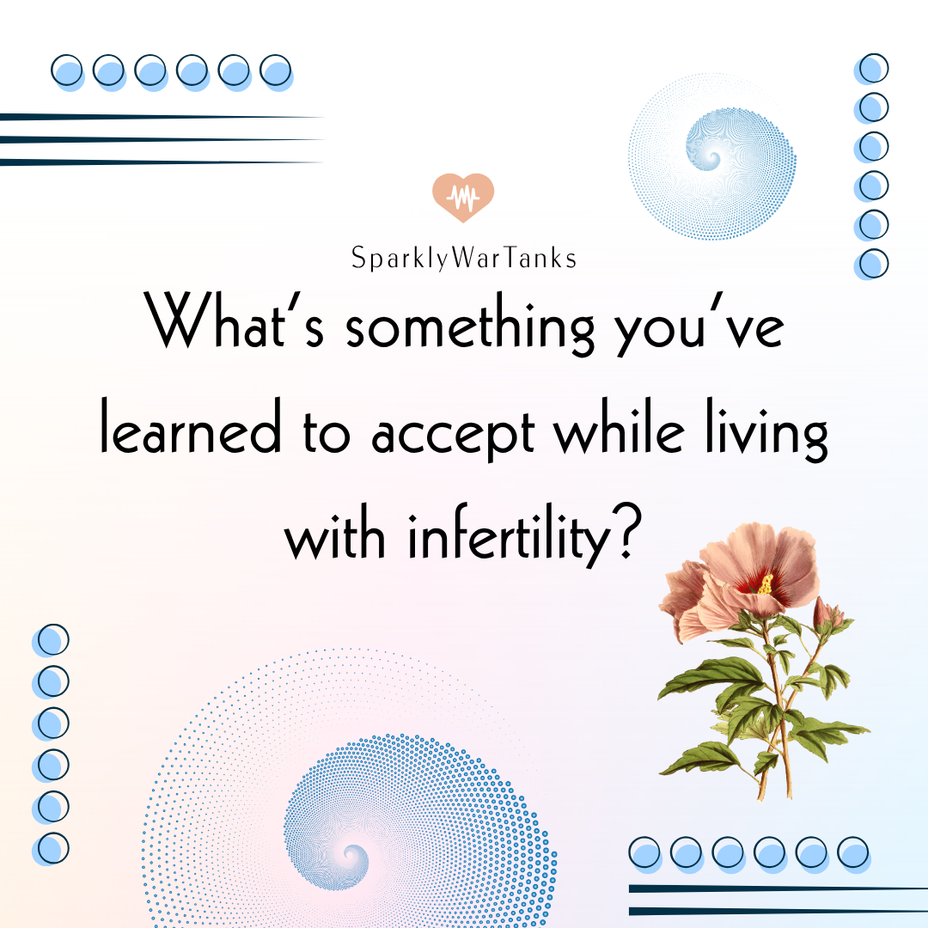
What’s something you’ve learned to accept while living with infertility?

Navigating life with infertility is complex and multifaceted. It can affect many areas of your life, not to mention the grief and stigma that often accompany the experience.

What’s something you’ve learned—or are learning—to accept on this journey? What has your road to acceptance been like? If you’re not quite on that path yet, how far have you come? What roadblocks have stood in your way?

#Infertility #Endometriosis #OvarianCancer #Grief #PolycysticOvarySyndrome #ChronicIllness #ChronicPain #RareDisease #CheckInWithMe #MentalHealth #Anxiety #Depression #Selfcare #Trauma

Most common user reactionsMost common user reactionsMost common user reactions 3 reactions
Post

Ovarian cyst- male doctors suck!

The size is 12cm. The doctor - a male doctor, of course- wanted me to wait for 6-12 months to have a second ultrasound.
All I wish is 1 year of regular menstrual cycle in a men's life: the cramps, the mood swing, the everything.
By the way, my therapist comment that the pain was lack of sexual life also proves that men needs to have that experience too.
Finally I got a referral to a woman gynecologist, hopping she would not blame me for that! #OvarianCancer #women 'sHealthy

Most common user reactions 2 reactions
Post
See full photo

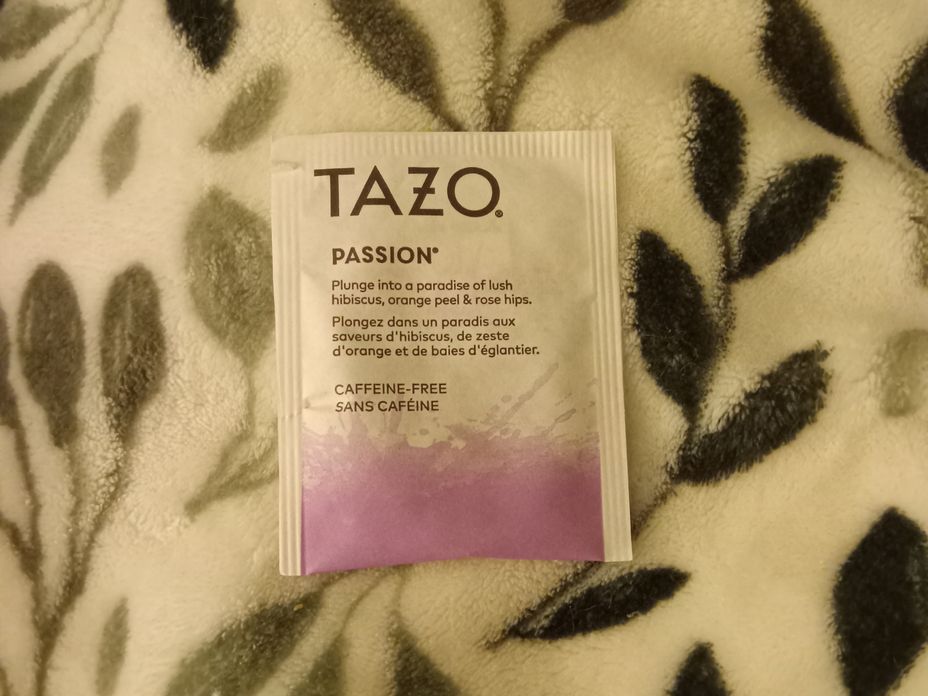
To my tea loving sisters here......

This particular tea is part of my wind for awesome sleep regimen l. I pop 600 mgs of Calcium, 500 mgs of Magnesium, 50 mgs Zinc for good measure, spray the head of my sleeping quarters with lavender oil & wash them down with my tea here. It is a very nice relaxing glass of iced Passion tea. ..I had my Feminine plumbing removed over an ovarian cancer scare & there went my hormone chemistry for better sleep. It has taken me awhile to figure this formula out but it works well for me 5 out of 7 nights. I see no physicians now. So, the good Lord is in charge of me Temple we be good with his care. Anyway for anyone dealing with that wretched insomnia this is a just a suggestion.

Most common user reactions 5 reactions 6 comments
Post
See full photo

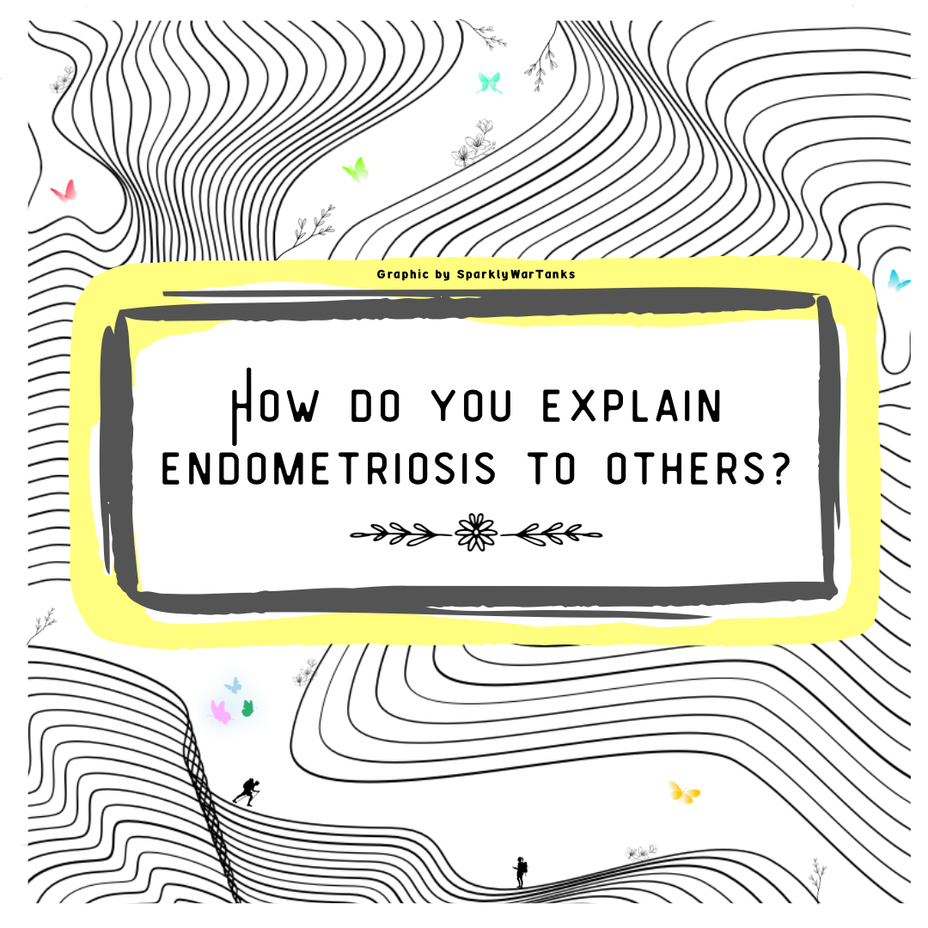
How do you explain endometriosis to others?

For those who have never experienced endometriosis symptoms before, it can be challenging to understand how debilitating they can be.

How do you describe or explain your life with endometriosis to others — whether it’s to your doctor, family or friends, or someone at work? Share in the comments below. ⬇️

#Endometriosis #OvarianCancer #RheumatoidArthritis #Cancer #ChronicPain #ChronicIllness #IrritableBowelSyndromeIBS #Diabetes

Most common user reactions 2 reactions
Post
See full photo

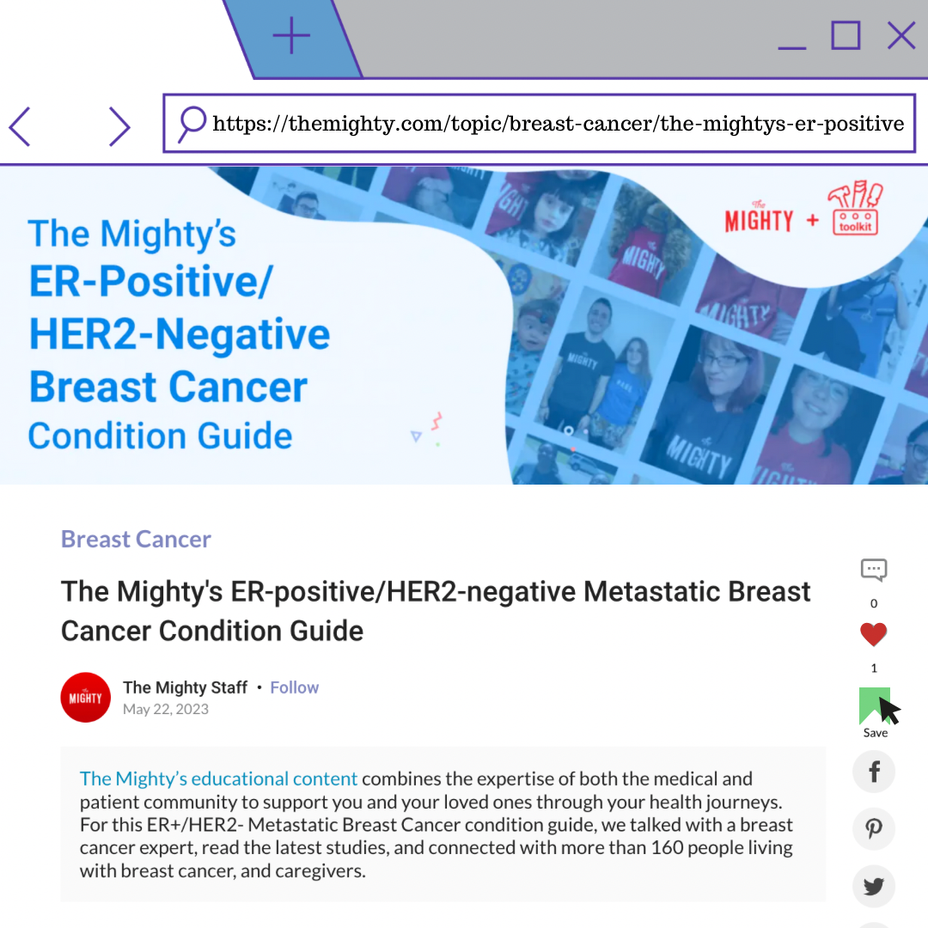
Check out our new ER+/HER2- breast cancer condition guide!

Are you or a loved one diagnosed with ER+/HER2- metastatic breast cancer and looking for a resource with information that combines expertise from both medical experts and patients? We got you!

Here is what you will find in our new condition guide:

✅ What Is ER+/HER2- Metastatic Breast Cancer?

✅ Managing ER+/HER2- Breast Cancer

✅ Common Breast Cancer Misconceptions

Mental Health and Metastatic Breast Cancer

✅ How To Talk To Others About Metastatic Breast Cancer

✅ How To Support Someone Living With Breast Cancer

Take a look at (and bookmark!) the condition guide here:

The Mighty's ER-positive/HER2-negative Metastatic ...

#BreastCancer #Cancer #BoneCancers #OvarianCancer #LungCancer #ThyroidCancer #lymphoma #ChildhoodCancers #MentalHealth #ChronicIllness #ChronicPain #Caregiving #Grief

The Mighty's ER-positive/HER2-negative Metastatic Breast Cancer Condition Guide

Post

Lifeaversary 2023

Lifeaversary. May 24, 2023

Appears this morning in my CaringBridge Blog *Ovarian Dancer*

We lost Gilda Radner 34 years and four days ago. But I was NOW old when I realized that Gilda's Yahrzeit ("deathaversary") falls on the same English date as my own ovarian cancer surgery three years ago. I always identified with Gilda Radner. I just knew that if I could be as funny, as skinny, as cute and appealing as Gilda was, I'd be unstoppable. I'd attract all the relationships I could want. Or maybe the only one I'd need. Gilda even married my first true love - Gene Wilder. Wow. You go, girl. If I couldn't have Gene, Gilda was the perfect one to get him. Like Angelica Schuyler in Hamilton, who rejoiced at the pairing of her secret love Alexander with her beloved sister Eliza, I sighed a deep sigh... not a sigh of envy, but a sigh of deep satisfaction.

And then Gilda Radner got cancer. Ovarian cancer. The bad one. The cancer you definitely don't want to have. The cancer that took my aunt in 1986. This couldn't be ok. "Please, please, PLEASE, " I prayed: "Please G🎶d, please heal her. She's made it. She has everything a person wants in life. She's worked so hard and she makes the world so happy." This was years before seminary. I had no idea I was echoing Moses' prayer from the Torah, book of Numbers, chapter 12 verse 13. I knew Gilda had a fight ahead of her, and that the cure could be worse than the disease. Nonetheless, I prayed.

My prayers were in vain. Gilda Radner passed away May 20, 1989. Ovarian cancer 2, Jews 0. Little did I know cancer wasn't done with my family (yes, I considered Gilda Radner family even though I never met her. The BRaCA gene mutation wasn't yet in the public eye, much less did we know how prevalent the double helix runs through Ashkenazic Jewish families).

Before she died, Gilda Radner used her illness to give meaning to the lives of other cancer patients. She got together with fellow cancer warriors in solidarity, with food and conversation. Nobody whispered the word "cancer" nor avoided saying it. Instead, they laughed it out loud, with Gilda as their instigator.

When I first read about "Gilda's Club," I couldn't imagine, even with my irreverent funnybone, how laughter could possibly rise from the ashes - or barf bag - of chemotherapy. Then a laughable moment popped up in 2004 with my friend Renée Coleson, of blessed memory. I was staying at Renée's New York apartment; she happened to be in remission and was wearing a wig to cover her crew-cut-length regrowth post-chemotherapy. One day she asked me to please remove my hair from the shower drain. I spontaneously cracked, "How do you know it's mine??" We both cackled. I began to understand "Gilda's Club."

Today, my colostomy stoma is named Petunia 🌺 because I needed a cute, adorable name for something that's the total opposite of cute and adorable. My erstwhile Stage 2C ovarian tumor is Audrey 2 👺 🌵because she was huge; it took my surgical team more than five hours to machete through all her pernicious, fibrous human-eating roots, vines, and fangs and wrestle her out of me (see why I have Petunia 🌺?). It makes perfectly imperfect sense that the month and day of Gilda's earthly exit is the same day I began to be brought back to life. I'm well aware that Gilda and my aunt didn't have all the developments in treatment in the mid-1980s that I had in the early 2020s. But she had a wildly creative humor that put life in her years, if not more years in her life. That gift has branched out to richen the lives of other cancer warriors and their loved ones. I'm grateful it continues to strengthen me as well.

Thank you, Gilda. Rest in power and punchlines. 😢

Most common user reactions 3 reactions 1 comment
Post

Sad situation I need prayer please

A 7th grader from my church kylee took her life last week. I'm really upset about it because I am complaining about having ovarian cancer which is hard but God is giving me a chance at life that little girl didn't stand a chance. #Suicide #Depression #Cancer

Most common user reactions 4 reactions 2 comments
Post

Life with cancer a harsh reality

This morning I woke up and brushed my hair and clumps of hair came onto my hairbrush. I have my second chemo treatment on Monday for ovarian cancer and the drug taxol is making me loose my hair. This is by far the hardest thing I have had to deal with since being diagnosed in March.

Most common user reactions 1 reaction