Alcohol Dependence

Create a new post for topic
Join the Conversation on
Alcohol Dependence
3.9K people
0 stories
196 posts
About Alcohol Dependence Show topic details
Explore Our Newsletters
What's New in Alcohol Dependence
All
Stories
Posts
Videos
Latest
Trending
Post

Introduction

Hello group, I'm Amanda. I have mental health issues and alcohol dependence in remission. Currently taking a lot of prescribed vitamins, an antidepressant, something to help my esophagus which was torn from drinking, and two medications for cravings.

For those of you on lots of meds, I'm wondering how you manage to keep track of them all when you have to take them at different times a day. Do you set alarms, keep a checklist, have people remind you?

Thanks for having me here and I hope everyone's day is going well.

Most common user reactionsMost common user reactions 18 reactions 13 comments
Post
See full photo

Everyday Resilience: How Simple Routines Rebuild Mental Strength By BigmommaJ

Resilience often sounds like a big word. We picture it as climbing mountains, surviving tragedy, or bouncing back from impossible challenges. But the truth is, resilience isn’t always about grand gestures. Sometimes, it’s built quietly, in the small choices we make every single day.

When you live with mental illness or are walking through recovery from addiction, resilience can feel out of reach. You may think it requires strength you don’t have, or motivation that’s missing. But resilience isn’t about never breaking—it’s about learning how to bend, how to find stability in the smallest of routines, and how to rebuild one step at a time.

Why Routines Matter

Mental illness and addiction thrive in chaos. They feed on unpredictability, self-doubt, and the absence of structure. That’s why routines are powerful: they create an anchor when everything else feels uncertain.

Morning rituals like making your bed, stretching, or writing down one intention for the day set the tone for control and focus.

Consistent meals and hydration remind your body and mind that you’re worthy of care.

Sleep routines give your brain the reset it desperately needs.

Journaling or gratitude lists provide a safe outlet for thoughts that might otherwise spiral.

Research supports this. A 2020 study in the Journal of Psychiatric Research found that consistent routines improve emotional regulation and reduce stress, particularly for individuals managing mental illness. Another study in Drug and Alcohol Dependence showed that routines can strengthen recovery by reducing triggers and creating a sense of control.

It’s not about perfection—it’s about repetition. These tiny acts create a sense of safety, which builds resilience from the inside out.

Everyday Resilience in Action

Resilience doesn’t look like “never struggling.” It looks like:

Choosing to get out of bed even after a night of racing thoughts.

Replacing one unhealthy coping mechanism with a healthier one.

Saying “no” to what drains you and “yes” to what helps you heal.

Starting again—even after you’ve stumbled.

Each of these choices is a quiet declaration: I haven’t given up on myself.

Psychologists describe resilience as the ability to adapt positively in the face of adversity. That means resilience isn’t about perfection—it’s about persistence.

The Ripple Effect

When you stick to small routines, they don’t just help you survive the day—they build confidence. Over time, you begin to see yourself as capable. That shift in identity is where true resilience grows.

Behavioral activation research shows that small, repeated positive actions—like keeping routines—can improve mood and reduce depressive symptoms.

You’re not just “someone with depression,” or “someone in recovery.” You become a person who keeps going. A person who chooses healing, again and again, even when it’s hard.

Final Thought

Resilience isn’t built overnight—it’s built in the everyday. The way you care for yourself in the morning. The way you keep showing up in the afternoon. The way you choose to rest at night.

Your routines are not small. They’re proof of your strength. Every time you repeat them, you’re reminding yourself: I am still here. I am still trying. I am resilient.

Bigmommaj
#resilence #MentalHealth

Most common user reactions 6 reactions 2 comments
Post
See full photo

Substance Abuse Appointment 📅 #Addiction #SubstanceUseDisorders #BipolarDisorder

Following on from yesterday’s post regarding my referral to a ‘Substance Abuse Therapy Centre’, here’s how it went…..
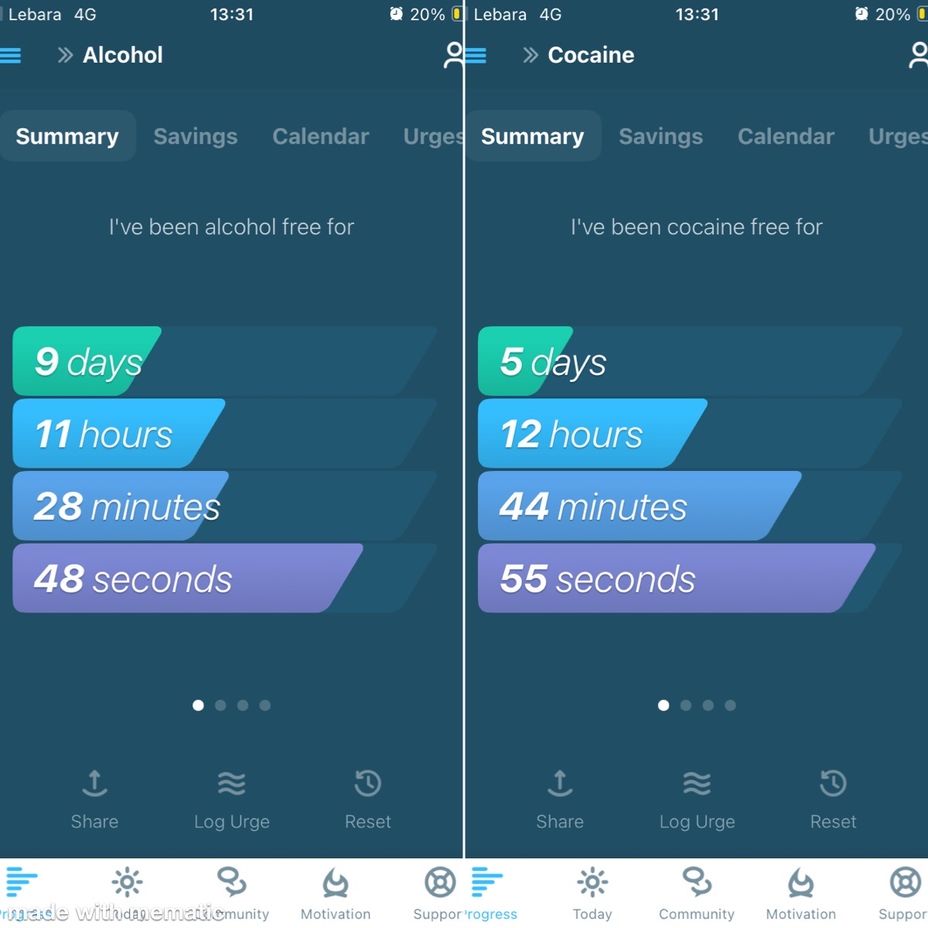
So appointment went well. They are not overly concerned about the drinking but they advised me to try and taper off the use of cocaine, if I can go cold turkey then fine, but if not then reduce my consumption bit by bit. Referring me for an ADHD assessment via my GP. Tested me for Hepatitis C and HIV so wait couple of weeks for the results. Generally speaking had a good chat with the girl, she was understanding and she listened which was refreshing. They’re going to liase with both my GP and Psychiatrist and give me the best possible support to kick these habits into touch 👌
#MentalHealth #MightyTogether #ADHD #AlcoholDependence #AlcoholAbuse #Alcoholism #Narcotics

(edited)
Most common user reactions 10 reactions 6 comments
Post
See full photo

This.

One of my adult sons just sent me this and I burst out crying because I can relate so much to every line myself.

My son and I are a lot alike. We both need other people in our lives to help us feel loved, validated and to recharge our emotional batteries. It is clearly a big ask for the people in our lives. We are not difficult or overly demanding, but we definitely struggle to feel secure and have inner peace. We think we were born into the wrong family because they find our chronic illness needs burdensome.

Honestly, probably anyone with chronic health problems, mental or physical, feels like a burden to their loved ones sometimes. I am here today to remind you that it is not your fault that you have this neverending challenge that requires extra support from others. Hear me? IT’S NOT YOUR FAULT.

Sharing this beautiful paragraph brought my son and I closer, so I am giving it to all of you to use too.

Peace and Love.

#apathy #Anxiety #MentalHealth #AlcoholDependence #AmphetamineDependence #Addiction #AlcoholAbuse #ADHD #Caregiving #AnorexiaNervosa #AspergersSyndrome #Agoraphobia #Autism #Fibromyalgia #PTSD #PTSDSupportAndRecovery #BackPain #CeliacDisease #ChronicFatigue #ChronicFatigueSyndrome #ChronicIllness #ChronicPain #IrritableBowelSyndromeIBS

Most common user reactionsMost common user reactions 12 reactions 1 comment
Post

I’m new here!

Hi, my name is Eva. I've been diagnosed with ADHD, anxiety/depression, BPD and complex trauma. I’m starting to think I might have high functioning autism so I’m pretty curious about it. I’ve also had an alcohol dependence so have struggled with that on and off for probably about the last twenty years and am currently almost a month sober. Life has been really difficult and I haven’t lived up to my potential at all because I have just used alcohol to escape - I have never felt like I fit in anywhere even though I want to be around others, when I am it’s awkward and exhausting because I’m constantly on edge and overthinking everything.

#MightyTogether #Anxiety #BorderlinePersonalityDisorder #ADHD

Most common user reactionsMost common user reactions 16 reactions 5 comments
Post

Alternatives to AA?

Long story short, I know I have a problem with alcohol, and I do NOT want to use AA.
What are some resources that have helped you to deal with addiction?
Note: I'm spiritual, agnostic, and I have trauma related to religion. #AlcoholDependence #AddictionRecovery #BorderlinePersonalityDisorder #Trauma

Most common user reactionsMost common user reactions 12 reactions 6 comments
Post
See full photo

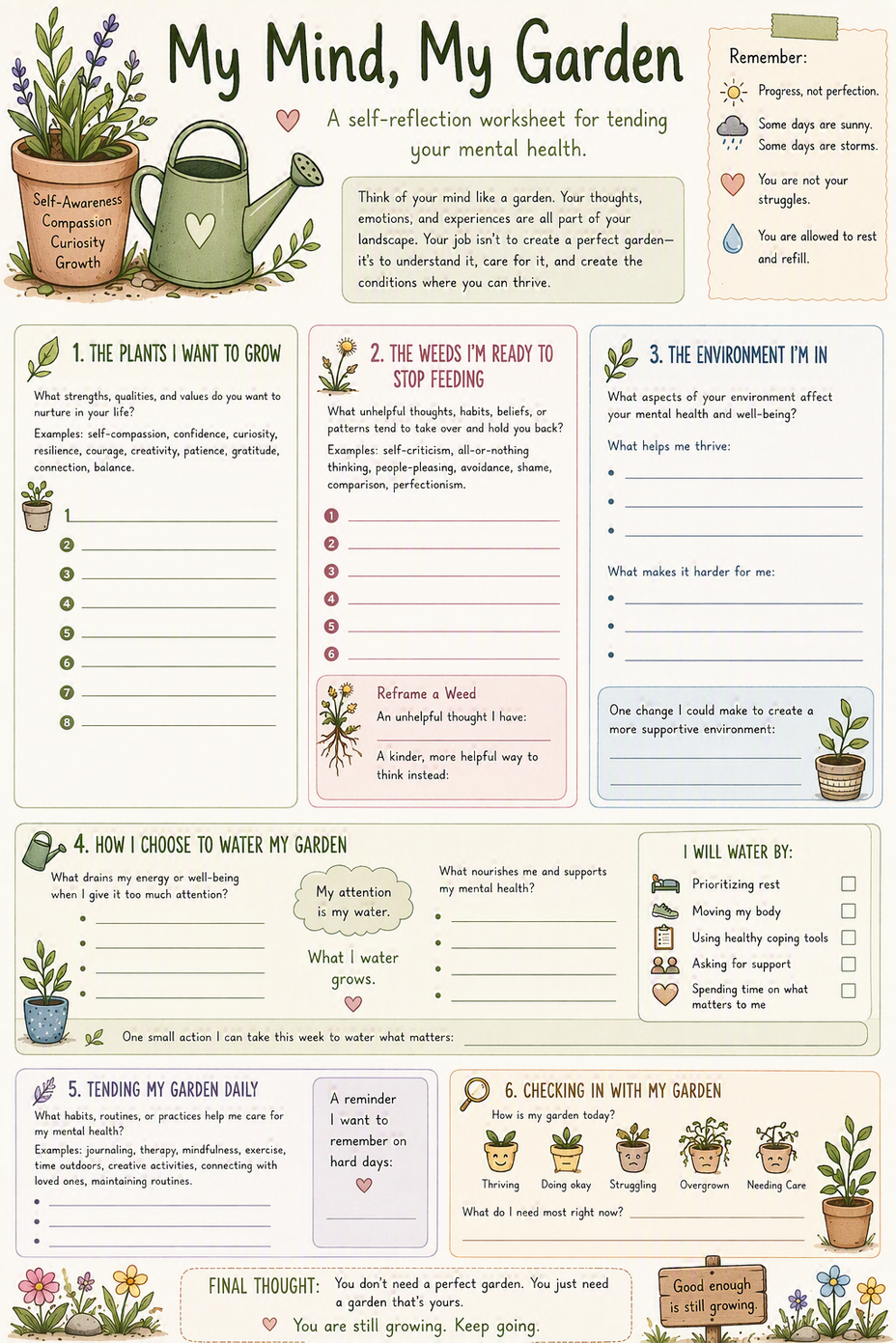
What’s one way self-forgiveness can empower or motivate you in your mental health journey?

Self-forgiveness affirmations can be incredibly helpful in fostering a healthier relationship with oneself. By consistently repeating positive affirmations, such as “I am worthy of forgiveness” or “I release myself from past mistakes,” you can gradually shift your mindset from self-criticism to self-compassion.

This practice helps ease feelings of guilt and shame and empowers personal growth, allowing you to learn from your experiences rather than be held back by them. Ultimately, these affirmations serve as gentle reminders that you deserve the same understanding and kindness you would offer others. #ADHD #Anxiety #AlcoholDependence #Addiction #Neurodiversity #Depression

Most common user reactions 14 reactions 2 comments