Resilience often sounds like a big word. We picture it as climbing mountains, surviving tragedy, or bouncing back from impossible challenges. But the truth is, resilience isn’t always about grand gestures. Sometimes, it’s built quietly, in the small choices we make every single day.
When you live with mental illness or are walking through recovery from addiction, resilience can feel out of reach. You may think it requires strength you don’t have, or motivation that’s missing. But resilience isn’t about never breaking—it’s about learning how to bend, how to find stability in the smallest of routines, and how to rebuild one step at a time.
Why Routines Matter
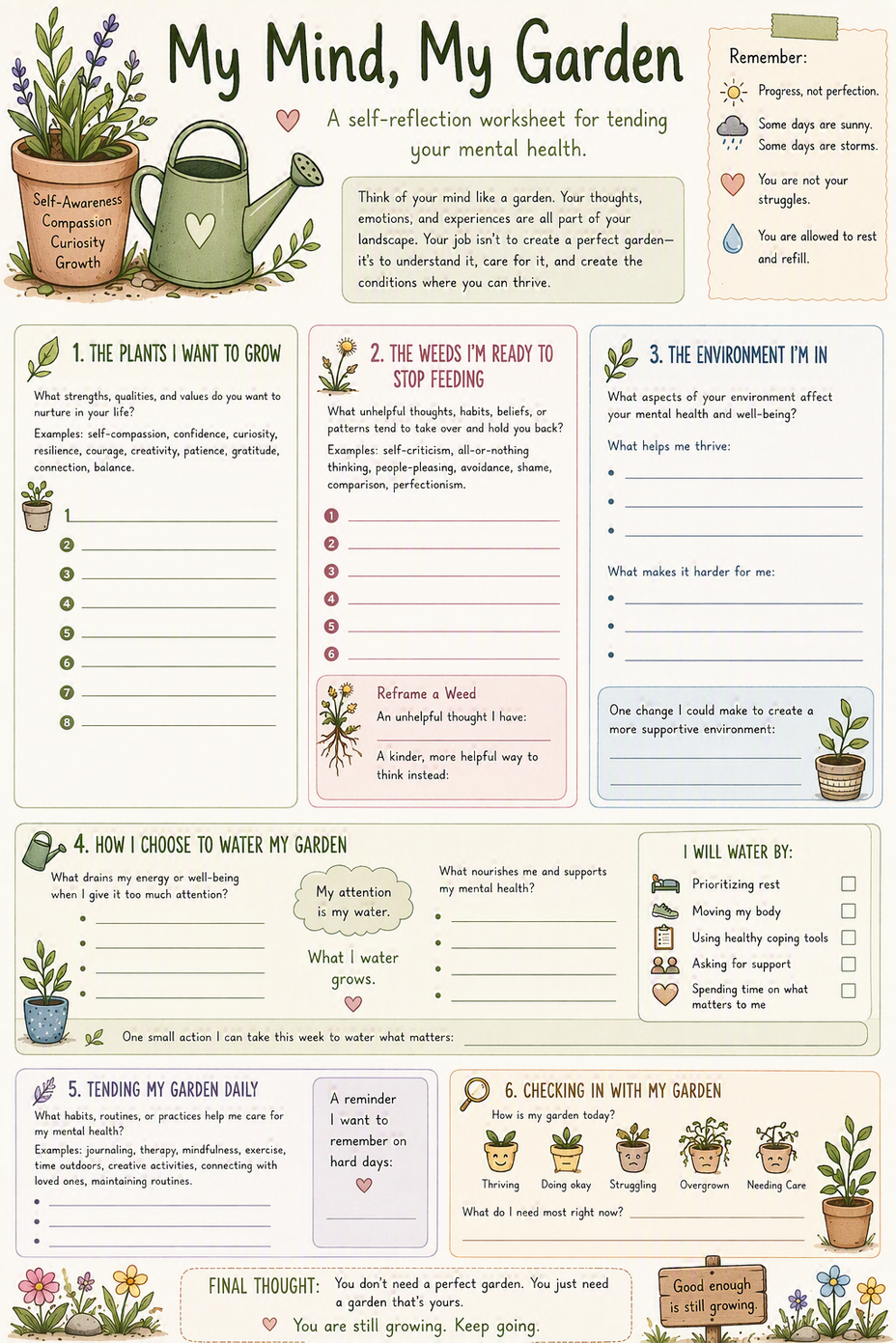
Mental illness and addiction thrive in chaos. They feed on unpredictability, self-doubt, and the absence of structure. That’s why routines are powerful: they create an anchor when everything else feels uncertain.
Morning rituals like making your bed, stretching, or writing down one intention for the day set the tone for control and focus.
Consistent meals and hydration remind your body and mind that you’re worthy of care.
Sleep routines give your brain the reset it desperately needs.
Journaling or gratitude lists provide a safe outlet for thoughts that might otherwise spiral.
Research supports this. A 2020 study in the Journal of Psychiatric Research found that consistent routines improve emotional regulation and reduce stress, particularly for individuals managing mental illness. Another study in Drug and Alcohol Dependence showed that routines can strengthen recovery by reducing triggers and creating a sense of control.
It’s not about perfection—it’s about repetition. These tiny acts create a sense of safety, which builds resilience from the inside out.
Everyday Resilience in Action
Resilience doesn’t look like “never struggling.” It looks like:
Choosing to get out of bed even after a night of racing thoughts.
Replacing one unhealthy coping mechanism with a healthier one.
Saying “no” to what drains you and “yes” to what helps you heal.
Starting again—even after you’ve stumbled.
Each of these choices is a quiet declaration: I haven’t given up on myself.
Psychologists describe resilience as the ability to adapt positively in the face of adversity. That means resilience isn’t about perfection—it’s about persistence.
The Ripple Effect
When you stick to small routines, they don’t just help you survive the day—they build confidence. Over time, you begin to see yourself as capable. That shift in identity is where true resilience grows.
Behavioral activation research shows that small, repeated positive actions—like keeping routines—can improve mood and reduce depressive symptoms.
You’re not just “someone with depression,” or “someone in recovery.” You become a person who keeps going. A person who chooses healing, again and again, even when it’s hard.
Final Thought
Resilience isn’t built overnight—it’s built in the everyday. The way you care for yourself in the morning. The way you keep showing up in the afternoon. The way you choose to rest at night.
Your routines are not small. They’re proof of your strength. Every time you repeat them, you’re reminding yourself: I am still here. I am still trying. I am resilient.
Bigmommaj
#resilence #MentalHealth


 Latest

 12 reactions •
3 comments
12 reactions •
3 comments