Borderline Personality Disorder (BPD) is one of the most misunderstood and stigmatized diagnoses in mental health.
Not only by society—but within the very systems meant to offer care.
For individuals with BPD, especially those with histories in child welfare or addiction services, help-seeking is often met with subtle rejection: long waitlists, referrals that go nowhere, or the unspoken message—we don’t work with that.
This is not accidental. It is systemic.
BPD as a Trauma Response, Not a Character Defect
From a trauma-informed and child welfare perspective, BPD makes sense.
Canadian research consistently links BPD to:
*Chronic childhood maltreatment
*Attachment disruption
*Foster care placement
*Instability
*Emotional invalidation and neglect (Gilbert et al., 2020; Public Health Agency of Canada, 2018)
What clinicians sometimes label as manipulation is often:
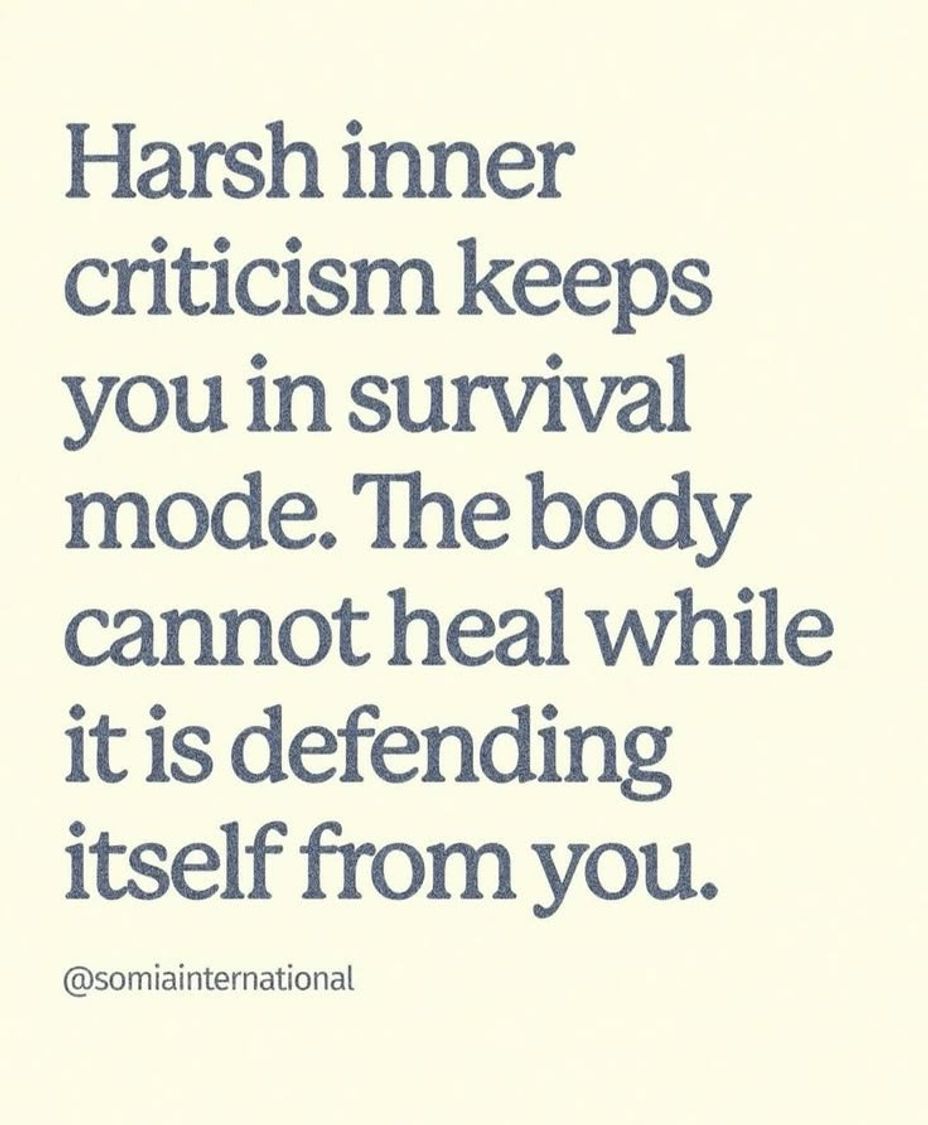
*Fear-based survival behavior
*Attachment-seeking shaped by inconsistency
*A nervous system trained to expect abandonment
In child welfare, we understand that children adapt to unsafe environments to survive.
BPD represents those same adaptations—carried into adulthood.
Child Welfare: Where the Story Often Begins
Many adults diagnosed with BPD have histories that include:
*Multiple placements
*Separation from primary caregivers
*Exposure to domestic violence
Early involvement with protection systems
(Fallon et al., 2015)
Yet child welfare systems are rarely equipped to provide long-term relational repair. Instead, children learn early that:
*Care is conditional
*Attachment is temporary
*Needs can be dangerous
When those children become adults, the mental health system often responds with the same instability—repeating the trauma under a clinical name.
Addiction and BPD: A Shared Nervous System Story
In Canadian addiction services, BPD is frequently misinterpreted as non-compliance or treatment failure.
But the overlap is well-documented:
*High rates of substance use among individuals with BPD
*Substances used to regulate overwhelming emotional states
*Addiction functioning as a form of self-soothing when no relational safety exists
(Canadian Centre on Substance Use and Addiction [CCSA], 2022)
From a clinical lens, addiction and BPD are not separate issues—they are co-occurring trauma responses.
Treating one while ignoring the other leads to relapse, disengagement, and revolving-door care.
Why Professionals Avoid This Work
As a professional, it’s important to name the truth honestly.
Many clinicians avoid BPD because:
*Graduate programs offer minimal training in personality disorders
*There is limited access to supervision and consultation
*Systems prioritize brief, symptom-focused interventions
*Risk management is placed on individual clinicians, not teams
In under-resourced Canadian systems, clinicians are often expected to manage:
*Self-harm risk
*Suicidality
*Crisis presentations without adequate backup or support (CAMH, 2021).
Avoidance becomes a form of self-protection—not clinical best practice.
The Systemic Failure, Not a Clinical One
Here’s what often goes unsaid:
BPD has one of the most positive long-term prognoses when treated appropriately.
Evidence-based approaches such as:
*Dialectical Behaviour Therapy (DBT)
*Mentalization-Based Therapy (MBT)
*Trauma-informed, attachment-focused care
Show significant reductions in:
*Self-harm
*Hospitalization
*Substance use
*Emotional dysregulation
(Linehan et al., 2015; CAMH, 2021)
The issue is not that people with BPD can’t heal.
It’s that our systems are not designed to stay.
The Cost of Professional Avoidance
When professionals opt out of BPD care:
*Clients internalize shame
*Trauma is reinforced
*Trust in helping systems erodes
*People disengage until crisis forces re-entry
In child welfare and addiction work, we know that repeated system rejection increases risk, not resilience.
Avoidance is not neutral.
It causes harm.
A Trauma-Informed Professional Reframe
From a clinical and ethical standpoint, working with BPD requires:
*Advanced training, not fear
*Supervision, not isolation
*Team-based responsibility, not individual liability
*Curiosity, not judgment
People with BPD are not “too much.”
They are often the most impacted by systems that failed to protect them early—and continue to struggle to hold them now.
Final Reflection
If we truly believe in trauma-informed care, we must ask harder questions:
*Why do child welfare systems end at adulthood?
*Why are addiction services separated from attachment trauma?
*Why do clinicians carry risk alone in underfunded systems?
And most importantly:
*Why do we continue to abandon people whose core wound is abandonment?
Healing happens when care is consistent, informed, and relational.
And when systems are willing to stay, people with BPD do more than survive.
They rise above what they were taught to expect.
BigmommaJ
#BPD #Awareness


 Latest




 36 reactions •
9 comments
36 reactions •
9 comments