stigma

Create a new post for topic
Join the Conversation on
stigma
5K people
0 stories
402 posts
Explore Our Newsletters
What's New in stigma
All
Stories
Posts
Videos
Latest
Trending
Post
See full photo

Mental Health and Stigma: When Survival Is Misunderstood—and Healing Is Judged By BigmommaJ

Mental health struggles do not exist in isolation. They are shaped by experiences, environments, systems, and relationships—many of which were never safe to begin with.

Yet stigma continues to frame mental illness as a personal failure rather than a human response to adversity.

Research consistently shows that stigma is one of the greatest barriers to seeking mental health support, often leading to delayed treatment, increased distress, and poorer outcomes (Mental Health Commission of Canada [MHCC], 2022). Stigma is not just uncomfortable—it is harmful.

For individuals impacted by trauma, child welfare involvement, addiction, and recovery, stigma often becomes an additional wound layered onto an already heavy history.

Where Stigma Begins

Mental health stigma thrives where understanding ends.

It shows up when behaviors are judged without context, when trauma responses are labeled as defiance or manipulation, and when people are reduced to diagnoses instead of seen as whole human beings shaped by what they have lived through. Language and labeling play a critical role in reinforcing stigma, particularly within systems meant to provide care (Herman, 2015).

Stigma asks, “What’s wrong with you?”

Trauma-informed care asks, “What happened to you?”

This shift in perspective is foundational to trauma-informed practice and is supported by evidence demonstrating improved engagement and outcomes when individuals feel understood rather than blamed (SAMHSA, 2014).

Child Welfare, Trauma, and the Mental Health Continuum

Children involved in child welfare systems are disproportionately exposed to adverse childhood experiences (ACEs), including abuse, neglect, domestic violence, parental substance use, and chronic instability (Public Health Agency of Canada [PHAC], 2023).

These experiences do not disappear with time—they embed themselves in the nervous system, shaping attachment patterns, emotional regulation, and coping strategies across the lifespan.

The landmark ACEs study established a strong, graded relationship between childhood adversity and later mental health challenges, substance use disorders, and chronic physical illness (Felitti et al., 1998).

Despite this evidence, individuals with child welfare histories are often stigmatized for the very adaptations that helped them survive early adversity.

What we label as “problem behavior” is frequently a trauma response.

What we punish is often pain.

Addiction: A Stigmatized Trauma Response

Addiction remains one of the most stigmatized mental health conditions, particularly when it intersects with trauma histories.

Research shows that a significant proportion of individuals with substance use disorders have experienced childhood trauma, neglect, or violence (SAMHSA, 2014).

Substance use is often an attempt to regulate overwhelming emotions, numb intrusive memories, or create a sense of control when safety was never guaranteed.

Neurobiological research supports that trauma alters stress and reward pathways in the brain, increasing vulnerability to substance use as a coping mechanism (Herman, 2015).

Yet stigma continues to frame addiction as moral failure rather than a health condition, leading to:

*Delayed help-seeking

*Increased shame and secrecy

*Higher relapse rates

*Reduced access to compassionate care

Addiction is not a lack of willpower. It is a nervous system searching for relief.

Personal Reflection: What I’ve Seen—and Lived

Working within child welfare, alongside my own healing and recovery journey, has taught me that people are rarely broken—they are burdened.

I have seen children labeled “difficult” when they were terrified.

Parents judged as “unmotivated” when they were navigating unresolved trauma.

Individuals dismissed as “addicts” instead of recognized as survivors.

I have also lived the impact of stigma—the way it follows you into systems, appointments, and even your own internal dialogue.

Research confirms that internalized stigma significantly worsens mental health outcomes and reduces self-efficacy in recovery (MHCC, 2022).

Recovery, for me, was not just about changing behaviors. It was about unlearning shame. About recognizing that survival does not require justification. And about understanding that healing is not linear—a reality well documented in trauma and recovery literature (Herman, 2015).

Recovery Is Not an Endpoint—It Is a Practice

Recovery is often portrayed as a finish line. In reality, it is an ongoing process of self-regulation, self-awareness, and reconnection.

Evidence-based models of recovery emphasize that healing occurs over time and requires safety, trust, and empowerment (SAMHSA, 2014).

Recovery can mean:

*Learning safer coping strategies

*Rebuilding trust with self and others

*Naming trauma without being defined by it

*Choosing growth even when it’s uncomfortable

Stigma tells people they should be “over it by now.”
Recovery science tells us otherwise.

From Awareness to Action

Public awareness of mental health has increased, yet stigma continues to shape who is believed, who receives care, and who is left behind.

The Mental Health Commission of Canada (2022) emphasizes that meaningful change requires systemic, trauma-informed approaches rather than crisis-driven or punitive responses.

Action looks like:

*Trauma-informed child welfare and mental health systems

*Integrated treatment for mental health and addiction

*Language that reduces shame and increases engagement

*Early intervention rather than crisis-only care

Mental health care must do more than manage symptoms—it must restore dignity.

The Vision: Rise Above Your Norm

Rise Above Your Norm is not just a blog—it is the foundation of a future private practice rooted in lived experience, clinical understanding, and evidence-based, trauma-informed care.

This practice is being built to serve individuals who have been historically misunderstood or marginalized within systems:

*Those with complex trauma histories

*Individuals impacted by child welfare involvement

*People navigating addiction and recovery

*Families working to break generational cycles

*Thos affected by sexual abuse, exploitation and domestic violence

Research consistently shows that trauma-informed, person-centered care improves engagement, outcomes, and long-term recovery (SAMHSA, 2014; MHCC, 2022).

What This Practice Will Stand For

This space will be:

*Trauma-informed, grounded in ACEs and neurobiology research

*Non-judgmental, rejecting shame-based models

*Integrated, addressing mental health and addiction together

*Grounded in dignity, recognizing lived experience as expertise.

Healing should not require proving your pain. It should meet you where you are.

A Call to the Community

*If you are a professional: examine your language and assumptions.

*If you are a policymaker: invest in prevention, not punishment.

*If you are a loved one: replace judgment with curiosity.

*If you are struggling: your healing is valid—even when it is nonlinear.

Reducing stigma is a shared responsibility—and one that directly impacts lives (MHCC, 2022).

A Final Word

Mental health struggles are not evidence of weakness. They are evidence of endurance.

The work ahead is not easy—but it is necessary.

This is how we rise:

*By choosing understanding over stigma.

*By building systems that reflect real lives.

*By believing people are worthy of care long before they reach rock bottom.

This is the work of Rise Above Your Norm.
And this is only the beginning

BigmommaJ
#Stigma #MentalHealth #Addiction #change

Most common user reactions 1 reaction
Post
See full photo

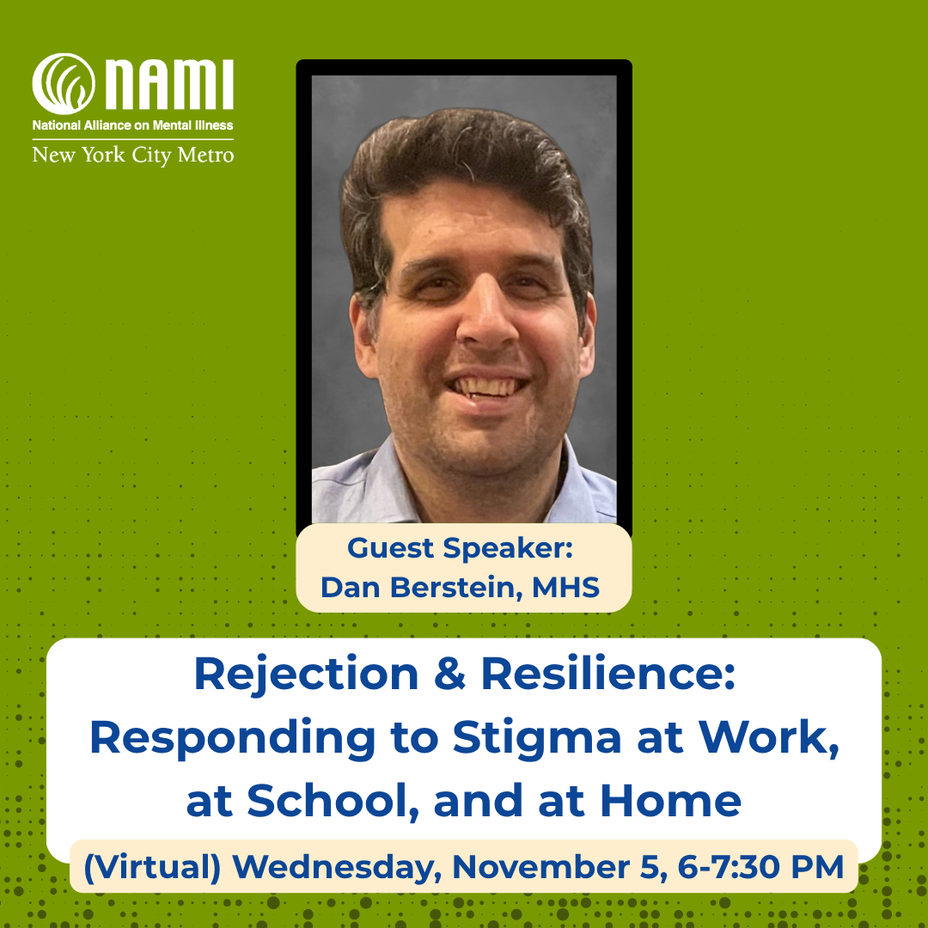
Rejection & Resilience: Responding to Stigma at Work, at School, and Home

Stigma doesn’t have to stop you. Too often, people with mental health conditions are unfairly judged, excluded, or dismissed. Join us on Wednesday, November 5, 6–7:30 PM for a discussion with mediator and author Dan Berstein. Dan has spent over a decade teaching conflict resolution skills that empower people to respond to stigma and mistreatment. RSVP here: www.eventbrite.com/e/1739290507729

#MentalHealth #Rejection #Stigma

Rejection & Resilience: Responding to Stigma at Work, at School, and Home

Join us to learn skills for coping with stigma, handling rejection, and building healthier paths at work, school, and home.
Most common user reactionsMost common user reactions 4 reactions
Post
See full photo

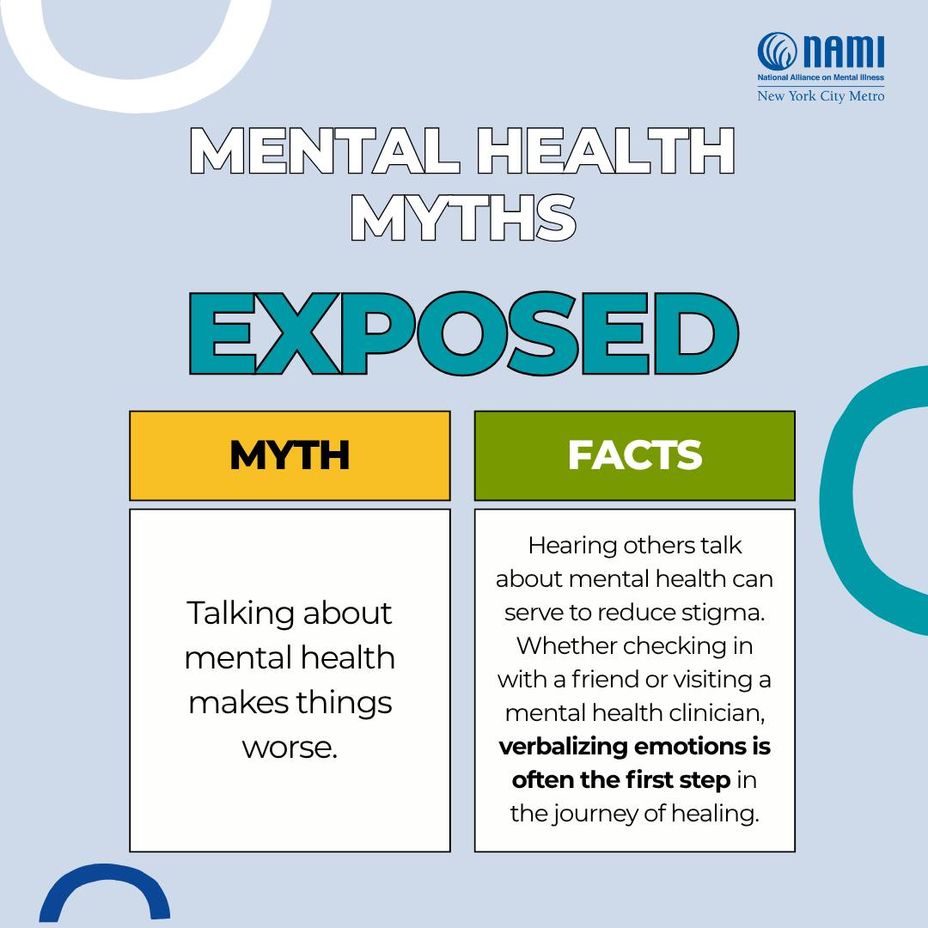
Talking About Mental Health Breaks Stigma, Not People

Does talking about mental health make things worse? NO!

Hearing others speak about their own mental health can reduce stigma and create an open environment for others to share.

#MentalHealth #Stigma #FamilyAndFriends

Most common user reactionsMost common user reactions 5 reactions
Post
See full photo

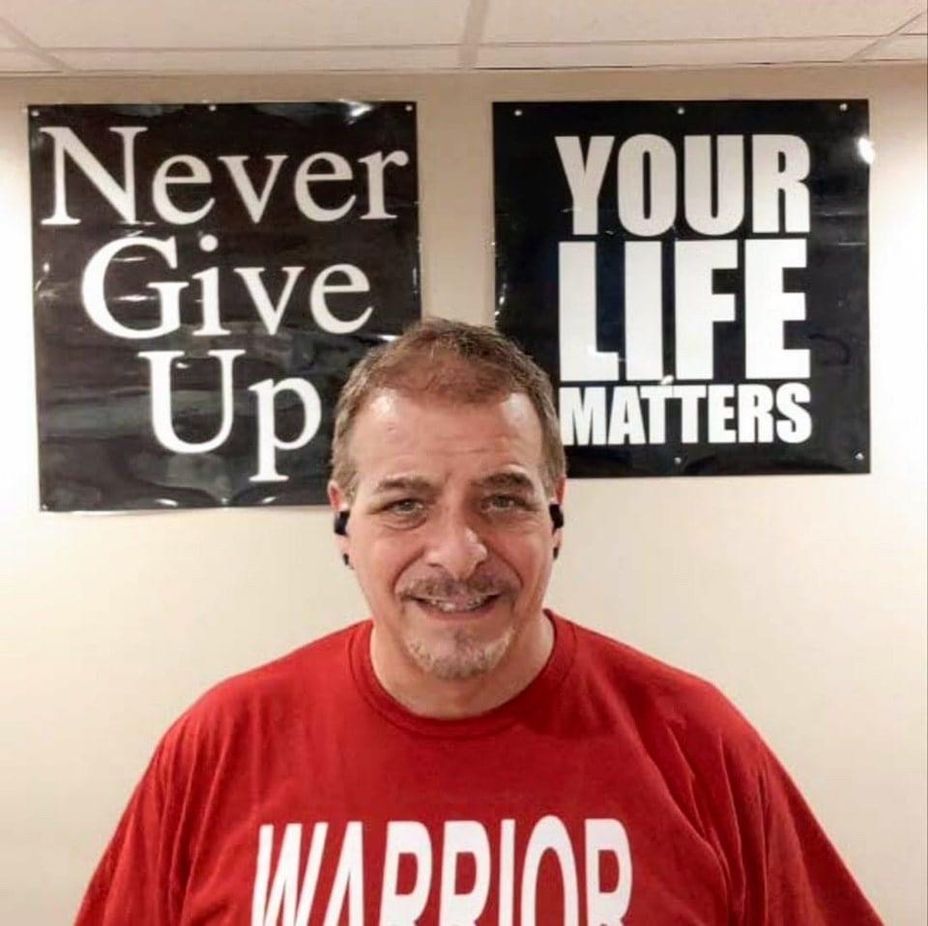
#Stigma We hear someone died by suicide, 98% of the time people react , I can’t believe they did that. Many suffering in silence dialogue Matters ❤️

#yourlifematters #warriors #nevergiveup #victories #988helpline #life #trend #vets #youtube #like #share #subscribe #free #determination #entire #video👇🏼
youtu.be/QiFwsae33Co #viralcontent, #trendingnow, #fyp, #reels #viralchallenge #988 #trendingnow #reels #recovery #trending #reels

Post

Do I tell or not #BorderlinePersonalityDisorder #Therapy #Stigma

I’m about to start therapy-Again- BUT I’ve really been seeing how much negative false beliefs there are associated with BPD. Like to the point that I’m too scared to tell them that I have it. I don’t want to be branded, labeled, stigmatised or however you want to phrase it. There are so many falsehoods associated with BPD that make me scared to share. So many Psychiatrists and Phychologists refuse to take BPD patients and I think that is disgusting. I just don’t know what to do. I really don’t.

Most common user reactionsMost common user reactions 4 reactions 3 comments
Post
See full photo

I don’t trust this world, especially when it comes to being autistic | TW vent, swearing, all caps, ableism

.
.
.
.
.
.
.
.
.
.
I wish the DSM haven’t changed the Autism label to include “disorder”. My autism is NOT A FUCKING DISORDER!! Although I do get those who do believe that their experience is disordered, and that is valid and fine! I just mean generally when ASD is used to describe the whole community… I hate it. With a passion.

Autism is a spectrum. “Low functioning” and “high-functioning” are harmful terms for the community (unless there is any way to reclaim these labels and genuinely make sense, maybe not using “functioning” because what?)

We are not born with “defects” or “impaired” (unless an autistic individual genuinely view their autism this way in a non-ableist way) and the DSM symptoms was written to (maybe unintentionally) put blame on us for being different and having different social communications.

There is no such fucking thing as a “look” to having autism.

It’s not just men that can have autism. Woman/womxn and those outside of the binary spectrum (e.g. non-binary) can, too.

The puzzle design has been ruined because of a shit ableist company called Autism Speaks, and it grosses me out every fucking time I see it now.

I lost one of my ex-favorite singers 4 years ago because she turned ableist towards the autistic community.

I’m extremely sensitive to ableism when it comes to autism… because I feel like not many allistics (non-autistics) really get us… I’m scared to fucking go out again. I feel like I can mostly trust autistic individuals to talk to without being judged or thought of a ridiculous misconception. I’m scared to interact with most neurotypicals again because I fear of what they actually think of me or what common misconception they think of autists. I’m so sick of this….. I almost wish that I wasn’t autistic so that I no longer have to deal with knowing the existence of these fucking stereotypes and misconceptions and stigma that I involuntarily have to possibly face! This sucks!!! Why is it so scary being a part of such a small yet pretty misunderstood group?!! I don’t want to hide who I am, but I don’t want folks/folx to start thinking of stereotypes if I do wear an autism pin again!

(please don’t call me human, I non-pessimistically and spiritually think otherwise mentally, I get species dysphoria being called human and will just make things worse so please respect this, thank you!)

#Anxiety #AutismSpectrum #MyAutismIsNotADisorder #MyAutismIsNotADisability #Stigma #sad #GeneralizedAnxietyDisorder #OSTD #OtherSpecifiedTraumaDisorder #Vent #triggerwarning #LGBTQIA

(edited)
Most common user reactions 7 reactions 2 comments
Post
See full photo

My #Daydream seems like a #nightmare

I have a #Daydream where I find the right #Job and lose my #unemployment and work 40 hours a week. It sounds like a #nightmare because a 40 hour work week is #scary for me. It takes away so much time from #Selfcare and #Recovery that it brings me to a point of #tears .

I began to do the whole #comparing myself to others and #Wondering why I could not be like another. I truly feel #helpless whenever I become #jobless

It is difficult for me to find a #Job that can work with a #Disability and not feel #stigmitized by my #employer secretly. I feel like I am this cat in the photo, in my own #World where everything around me is just blowing up. It is not that I do not #Care anymore, but it is that there is only so much I can do. I might as well take normal pictures along the way and try to be as #normal in my #Abnormal world possible.

Perhaps a "vocational" center will be #helpfull in finding a #Career rather than just a job... But I do not know how much #Stigma exists. I suppose I am just #afraid and at the same time #Brave for keeping applying and trying.

Wish me #luck !

Most common user reactions 9 reactions 1 comment
Post

Discrimination

My PTSD is triggered by yesterday’s blatant episode of discrimination at Walmart. Any typical day I experience micro aggressions, from being a woman, of having mixed ethnicities, practicing paganism, wearing alternate jewelry and clothing and being part of the LGBTQ+ community. As well as micro aggressions towards being on the autism spectrum, mental illness and disability. Yesterday was overt discrimination at the pharmacy by a clerk who said a very derogatory statement and intentionally insinuated I was evil (I am assuming based on his beliefs). This happened as soon as I told him my name and date of birth, he examined my meds and made a personal judgement about it. I was shocked, and I was so offended that I found it in myself to call him out on it. I am so very proud of myself! He was really inappropriate. We left and I called the pharmacy and spoke with the pharmacist, the pharmacist was shocked, he said he would take care of it, and I trust he will. I just asked him to talk to the perpetrator, after all he looked like he hadn’t had much world experience. I know everyone has experienced some form of micro aggression at some point and it is painful. If you have privilege in these areas do not feel ashamed, but use your privilege to protect those who don’t. #Relationships
#Empathy #humanrights #Stigma

Most common user reactionsMost common user reactions 9 reactions 5 comments